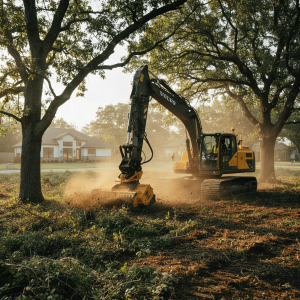
Identifying Opportunities in Land Development

Land development opportunities

Land development starts with one simple question: what can this land become?

Many properties look unusable at first. They can be overgrown with bushes, densely wooded, have uneven terrain, or bad access. However, in many cases, the potential is still there. The main thing is to learn how to recognize genuine land development opportunities and what actions are required to open them.

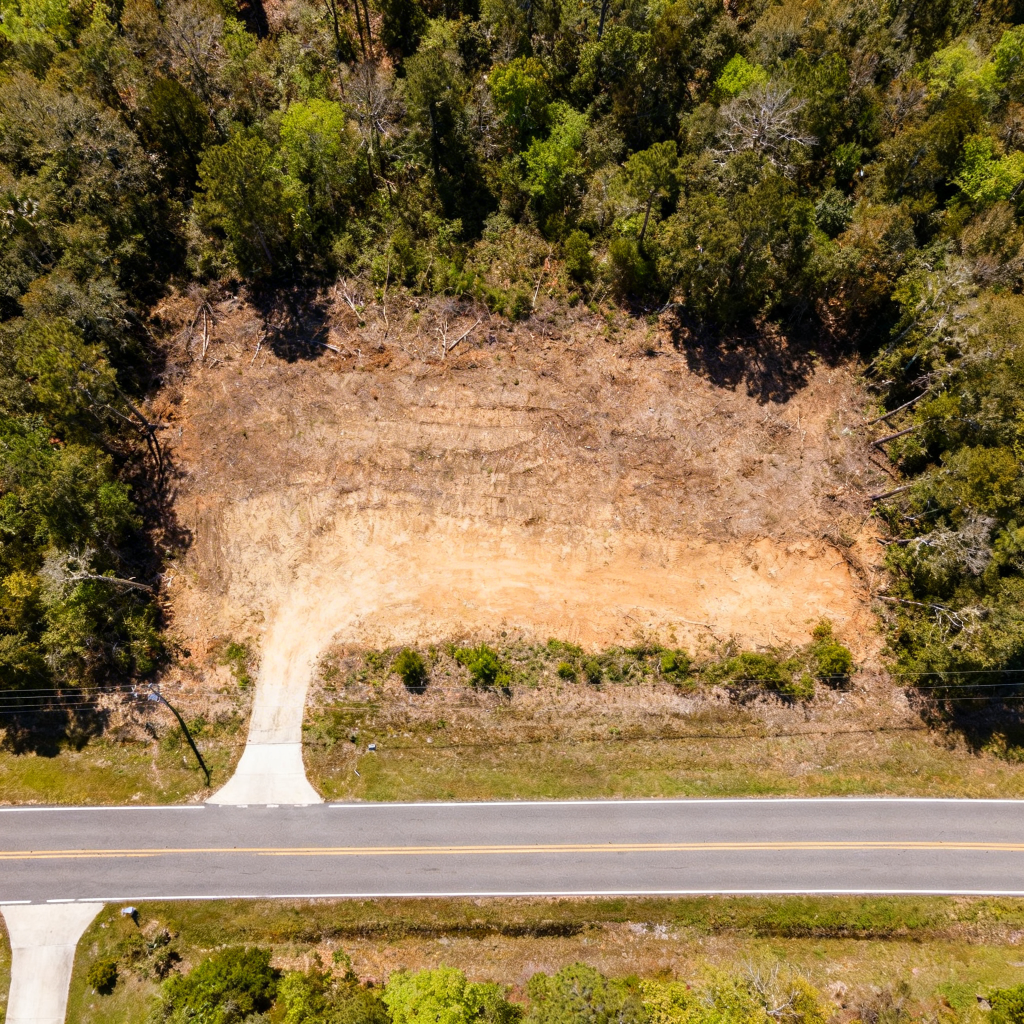
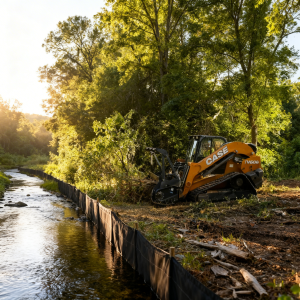
The first and most significant step is usually land clearing. It shows the actual shape of the land, makes the space available, and gets the site ready for the next step.


This article will guide the landowners on how to spot the potential for development, what conditions imply the opportunity, and the reasons why proper clearing and debris planning are important from the very beginning.

What Are Land Development Opportunities?

Land development opportunities are ways to improve land so it becomes more usable, valuable, or build-ready.

These opportunities may include:

  • Building homes or subdivisions
  • Creating commercial or industrial lots
  • Expanding farmland or pasture
  • Developing recreational land
  • Improving resale value
  • Preparing property for future investment


Most opportunities depend on one starting point: the land must be accessible, safe, and properly cleared.

Identifying Opportunities in Land Development
Land development opportunities (1)

Why Land Clearing Is the First Step

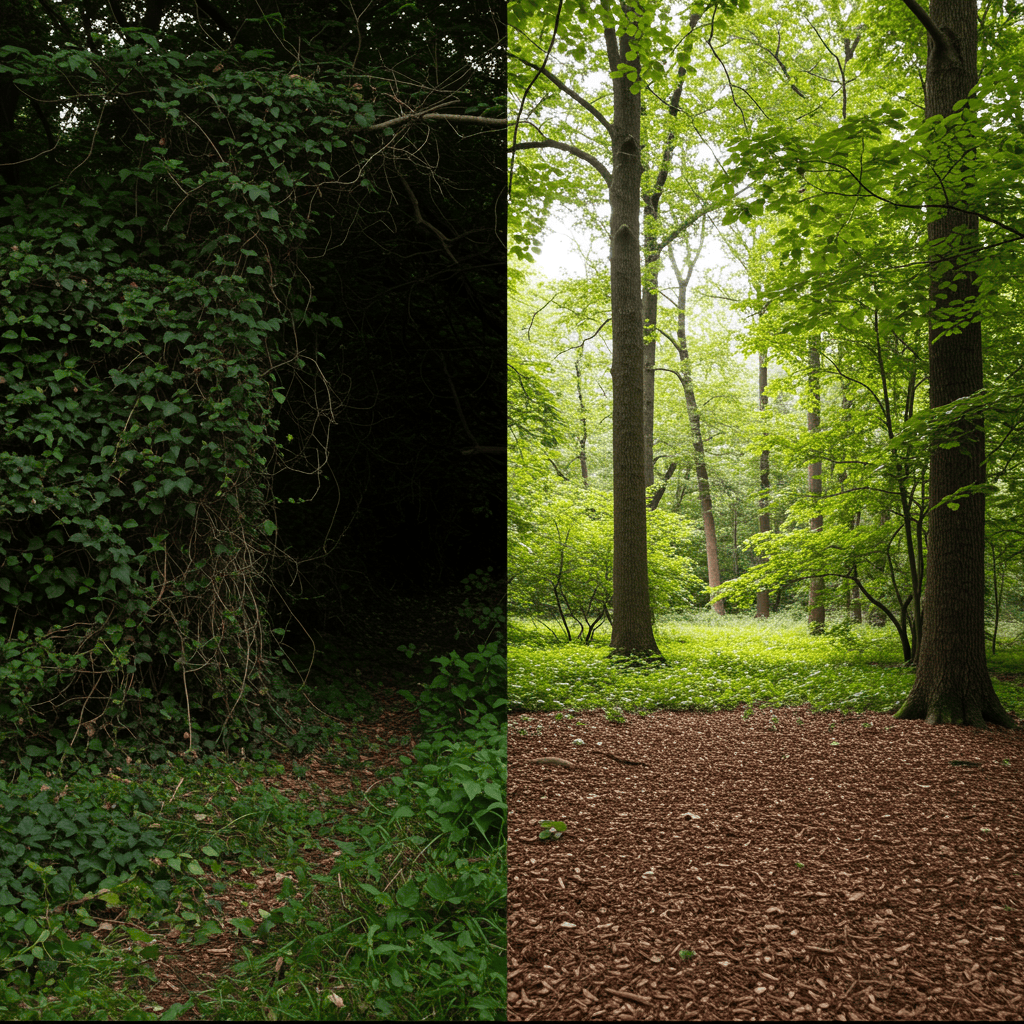
Raw land often hides its best features.

Overgrowth, thick trees, and brush make it hard to see:

  • Usable acreage
  • Natural slopes and drainage
  • Property boundaries
  • Buildable zones
  • Access points


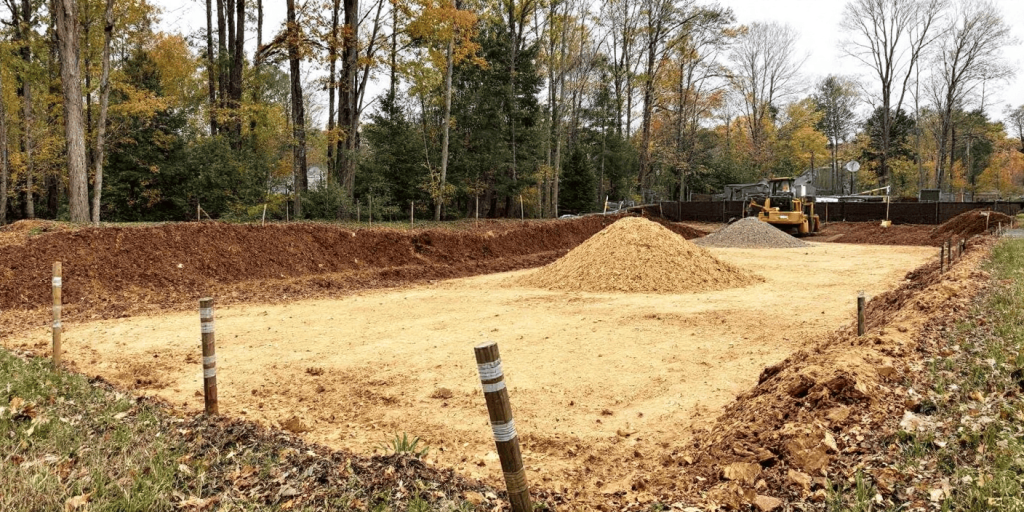
Professional land clearing prepares the site and enables effective planning. Without it, landowners often guess, which can result in mistakes and unnecessary expenses.

What Are Land Development Opportunities_ (1)

Common Signs of Development Potential

Not every property is ready for development, but many have a strong opportunity if the conditions are right.

Here are key signs landowners look for.

Good Access

Land that is easy to reach is easier to develop.

Opportunities increase when the property has:

  • Road frontage
  • Space for equipment entry
  • Room for driveways or staging areas

Poor access often raises land clearing and site prep costs.


Manageable Vegetation

Vegetation density affects both cost and opportunity. Light brush is easier to clear than dense forest.

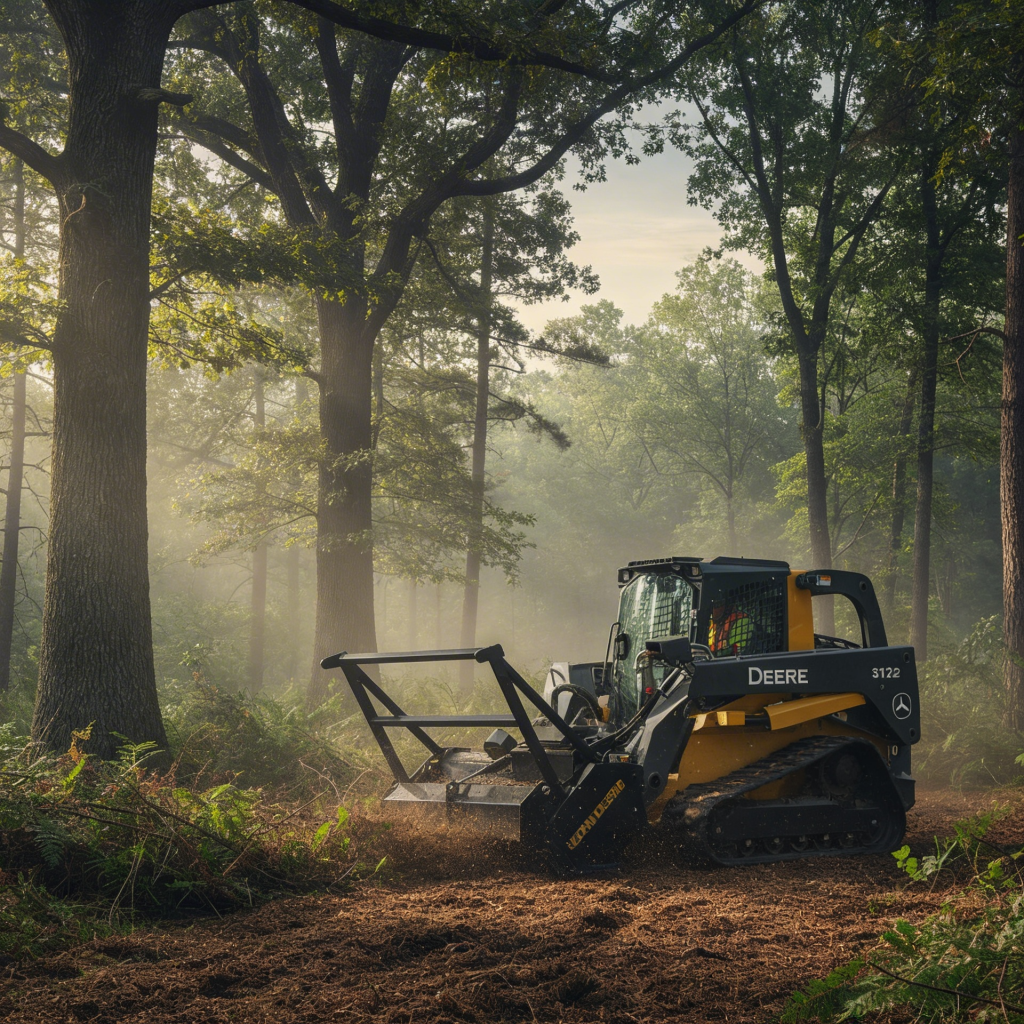
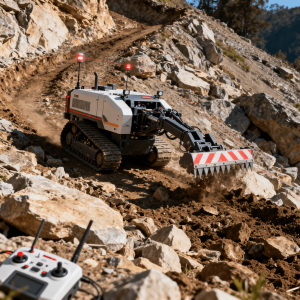
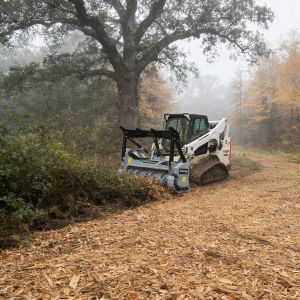
Forestry mulching is often used when land has:

  • Thick underbrush
  • Medium trees
  • Overgrown boundaries

Clearing reveals whether the land can support homes, farming, or future building.


Strong Drainage and Soil Conditions

Soil health matters more than many people realize.

Land with stable soil and proper drainage offers better options for:

  • Foundations
  • Roads
  • Utilities
  • Long-term use

Poor drainage may still be workable, but it requires extra grading and erosion control.


Local Demand and Zoning Fit

Land development opportunities also depend on what the land can legally be used for.

Zoning laws control:

  • Residential building
  • Commercial use
  • Agricultural development
  • Subdivision rules


Landowners should always review local regulations before investing in clearing.

The Debris Question: A Major Planning Factor

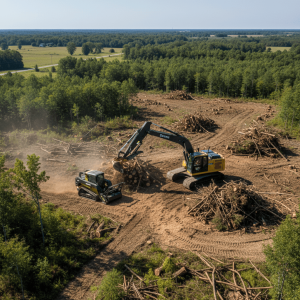
One of the biggest hidden issues in land development is debris.

After clearing, contractors must decide:

  • Will debris be mulched on-site?
  • Will it be hauled away?
  • Is burning allowed?
  • Are disposal fees required?

Debris removal often becomes one of the largest cost variables.

Landowners should ask early:

“What happens to everything cleared?”

Common Signs of Development Potential (1)

Share:

More Posts

Send Us A Message

Costs That Affect Opportunity

Land development is not just about vision. It is also about the budget.

Key cost drivers include:

  • Equipment rental
  • Fuel and transport
  • Labor rates
  • Vegetation density
  • Terrain difficulty
  • Permits and inspections
  • Debris disposal

Prices vary by region, so every project needs a local quote.

Types of Land Development Opportunities

Land can be improved in many ways, depending on goals.

Here are common development paths:

✅Residential Development

Many landowners clear lots for new home construction.

Residential opportunities include:

  • Single-family home sites
  • Small subdivisions
  • Rural homesite development

Clearing for residential use often requires precision.


Contractors must make sure their work does not negatively affect:

  • Nearby properties
  • Utilities
  • Drainage patterns

Debris handling is a major contributor to costs.

✅Commercial Development

Commercial developments often have significant land-clearing requirements.

Possible project areas may be:

  • Warehouses
  • Retail lots
  • Industrial sites
  • Mixed-use development 

Commercial clearing typically entails:

Heavy machinery

Strict permit compliance

Large-scale debris removal

The assistance of a professional planner cannot be overemphasized.


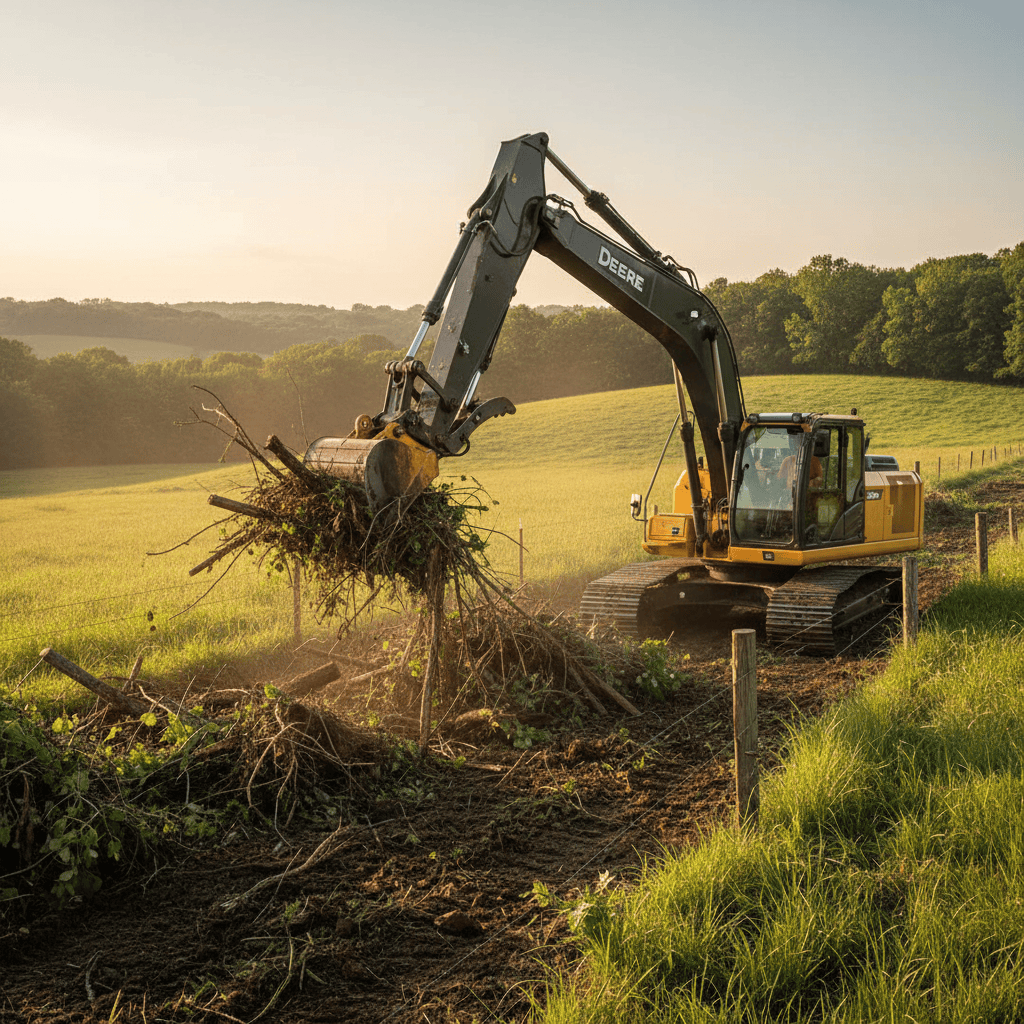
✅Agricultural and Pasture Expansion

Land clearing is a common activity among farmers to increase land productivity

Agricultural development opportunities include:

  • Pasture restoration
  • Field expansion
  • Access roads for equipment
  • Fence line clearing

Forestry mulching is often preferred because it keeps soil covered and reduces erosion.


Recreational and Lifestyle Land Use

Not all development is commercial or residential.

Some landowners clear land for:

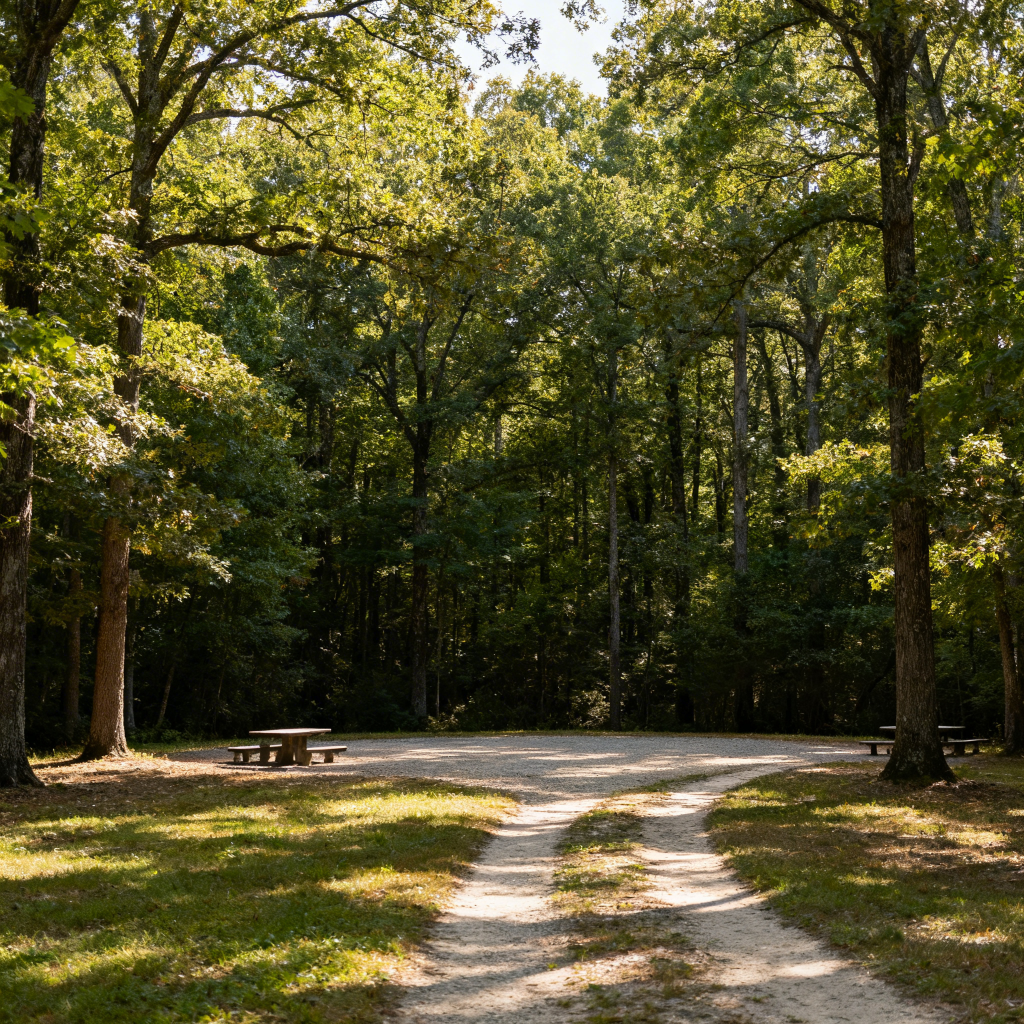
  • Trails
  • Hunting access
  • Campsites
  • Improved views
  • Property line visibility


Underbrush removal can make land safer and easier to enjoy.

land clearing costs usa check today

How Landowners Can Evaluate Opportunities Wisely

Before clearing land, smart landowners take a few steps.

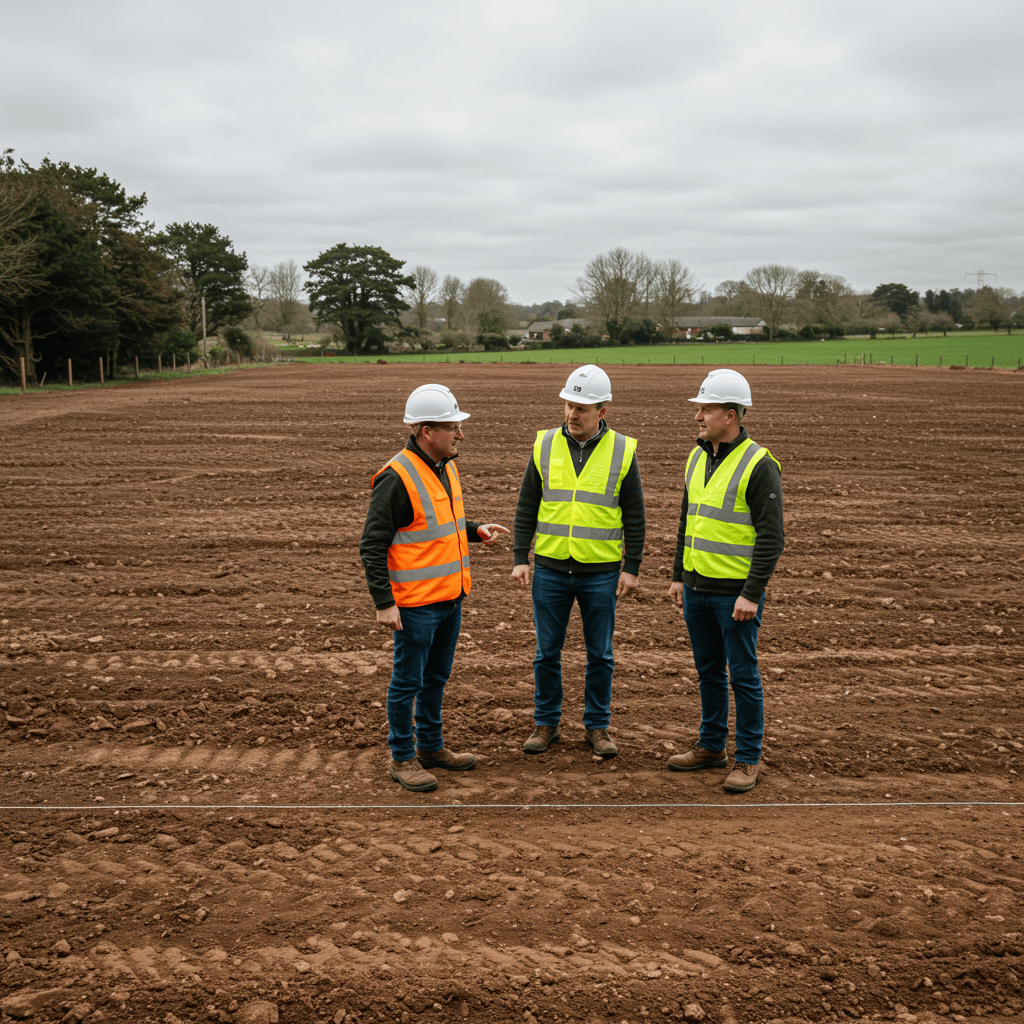
Start With a Site Assessment

Walk the property and note:

  • Brush density
  • Slopes and wet areas
  • Access points
  • Existing structures or utilities


A professional evaluation often reveals challenges early.

Define the End Goal

Clearing for a homesite is different than clearing for farming.

Your goal determines:

  • Equipment choice
  • Debris plan
  • Permit needs
  • Total cost

Work With Experienced Contractors

Land development begins with proper clearing.

A skilled professional can offer assistance:

  • Safe use of tools and machinery
  • Efficient methods of clearing
  • Proper handling of waste materials
  • Following local regulations


Cheap work often ends in costly fixes.

Contact us today!

We would love to speak with you.
Feel free to reach out using the below details.

Reasons for Land Clearing to Increase Value

Land that has been cleared and is ready for use is more attractive to buyers, developers, or tenants.

People are willing to pay more for land that:

  • Visible
  • Can be reached
  • Is ready for construction
  • Is without dense


That alone improves marketability.

Final Thoughts

Land development opportunities are often hidden under brush, trees, and unknown conditions.

Land clearing is the first step that reveals what a property can truly offer. It allows landowners to plan with accuracy, manage costs, and move forward with confidence.

Whether the goal is residential building, commercial development, agriculture, or long-term investment, the path begins with responsible clearing and smart preparation.

The best opportunities come to landowners who understand the land first, before building on it.

Join Our Newsletter

INFORMATION

© 2026 LandClearingCosts.com - All rights reserved