Why Underbrush Management Is Critical for Property Health

Property maintenance underbrush

Underbrush may seem like a small issue at first. It is easy to ignore a patch of vines, thick shrubs, or overgrown brush along the edge of a property. But over time, unmanaged undergrowth becomes one of the biggest threats to land health, safety, and long-term usability.

Clearing the underbrush serves as more than a simple “neat up” of the land.

It has to be a very careful removal of the plants scraped off the ground, as well as a continuous property management practice.

From time to time, the thick underbrush may be a cover for dangerous materials, increase the peril of fire, deteriorate the soil, and reduce the value of the land.


This article explains the importance of regular maintenance of underbrush on the property, the issues it can eliminate, and the benefits of professional land clearing in making the land healthier over time.

What is Underbrush Management?

Underbrush management is the process of controlling and removing dense low vegetation such as:

  • Brush and shrubs
  • Vines and ground cover
  • Small trees and saplings
  • Overgrown weeds
  • Dead limbs and organic debris

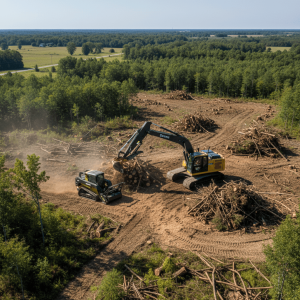
Unlike full land clearing, underbrush work often focuses on reclaiming access, improving visibility, and keeping land usable without removing every mature tree.

It is one of the most common services in property maintenance land clearing because it prevents small problems from becoming expensive ones.

Why Underbrush Management Is Critical for Property Health (1)
Property maintenance underbrush (1)

Why Underbrush Becomes a Property Health Issue

Overgrowth does not just affect appearance. Dense underbrush changes how the land functions.

Unmanaged brush can:

  • Trap moisture against soil
  • Encourage pests and rodents
  • Increase wildfire fuel
  • Block drainage paths
  • Make land difficult to inspect or maintain


In many cases, underbrush is the first sign that land is becoming neglected and harder to manage.

What is Underbrush Management_ (1)
When Should Underbrush Be Cleared_ (1)

1. Underbrush Increases Fire Risk

One of the primary reasons for underbrush management is wildfire safety. Dense vegetation acts as fuel, and dry brush can cause fires to spread rapidly, particularly during hot seasons.

Underbrush clearing helps by:

  • Reducing flammable ground material
  • Creating defensible space around structures
  • Lowering the chance of fast fire spread


For many property owners, underbrush maintenance is one of the most effective fire-prevention steps.

2. Overgrowth Hides Safety Hazards

Dense brush can hide serious risks such as:

  • Stumps and roots
  • Uneven ground
  • Fallen limbs
  • Old fencing or debris
  • Holes and erosion zones


This creates danger for:

  • Homeowners
  • Workers
  • Equipment operators
  • Children and pets


Professional land clearing removes underbrush, making the land safer to walk, work, and build on.

Best Methods for Underbrush Management (1) (1)

Share:

More Posts

Send Us A Message

3. Underbrush Encourages Pest Problems

Overgrown areas are ideal shelter for unwanted pests.

Common issues include:

  • Snakes
  • Rodents
  • Ticks and mosquitoes
  • Termites near wood piles


Brush provides cover and breeding space. Clearing it improves land health and reduces pest pressure near homes and buildings.

  1. Underbrush Affects Soil and Drainage

Property health depends heavily on soil condition and water flow.

When brush becomes too dense:

  • Water may pool instead of draining
  • Soil stays overly wet
  • Erosion can increase during storms
  • Access for grading becomes difficult


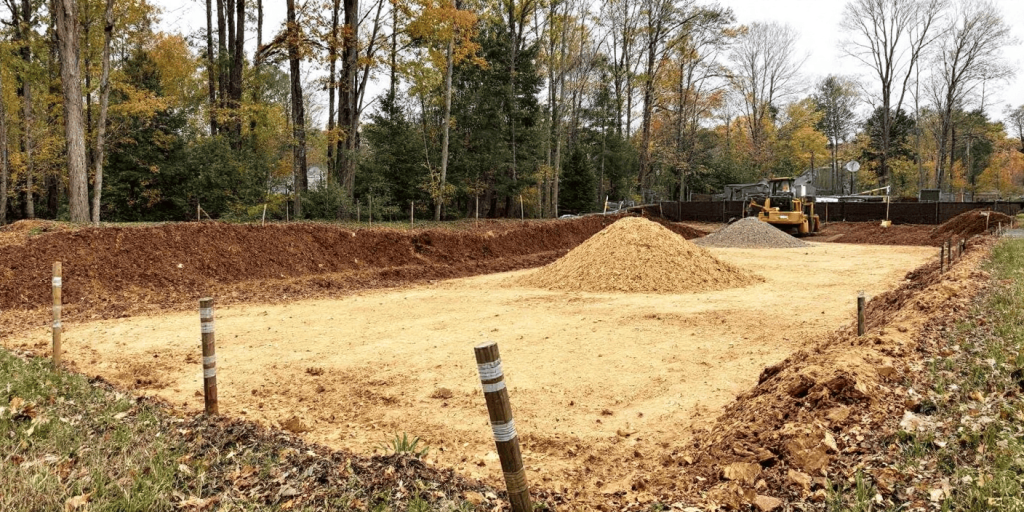
Clearing underbrush allows contractors to evaluate drainage patterns and prevent long-term land damage.

  1. Underbrush Reduces Land Usability

Land that cannot be accessed cannot be used.

Overgrowth limits:

  • Fence repairs
  • Trail access
  • Future building plans
  • Utility maintenance
  • Landscaping improvements


Many landowners clear underbrush merely to reassert control over their properties.

The removal of underbrush is frequently the initial step towards restoring the land’s functionality.

  1. Property Value Declines With Neglect

Overgrown land creates uncertainty for buyers. A property covered in brush raises questions like:

  • What is hidden under the vegetation?
  • How much will clearing cost?
  • Is the soil stable?
  • Are pests present?


Professional underbrush management improves curb appeal and increases market confidence.

Clean land always looks more valuable and easier to develop.

7. Underbrush Can Lead to Higher Clearing Costs Later

The longer the brush is left unmanaged, the harder it becomes to remove.

Light clearing today may become heavy land clearing tomorrow.

Costs rise due to:

  • Larger vegetation growth
  • Deeper root systems
  • Increased debris volume
  • More equipment time
  • Higher disposal needs


Regular underbrush maintenance prevents expensive full-scale clearing later.

Underbrush Management and Debris Handling

A major part of land clearing is deciding what happens after vegetation is cut.


Debris may be:

  • Mulched on-site
  • Piled for later burning (if allowed)
  • Hauled away for disposal

Debris handling is often the biggest cost variable in clearing projects.


That is why professional quotes should always explain:

  • What stays
  • What gets removed
  • What disposal method is used
land clearing costs usa check today

Best Methods for Underbrush Management

The best approach depends on vegetation density, terrain, and project goals.

Common methods include:

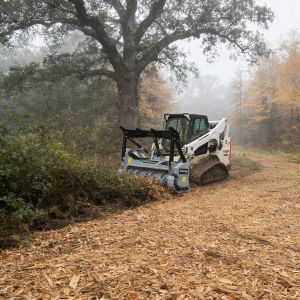
Forestry Mulching

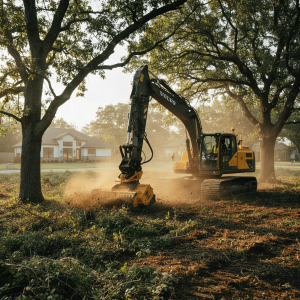
Brush is ground into mulch and left on-site. This helps to reduce the amount of hauling needed and thus the damage to topsoil.


Brush Hogging

Great for areas with light overgrowth and mostly open land. It is quick, but there might be a need for a follow, up work.

Manual Clearing

Suitable for confined spaces or limited areas. Requires substantial manual effort but ensures accuracy.


Selective Mechanical Clearing

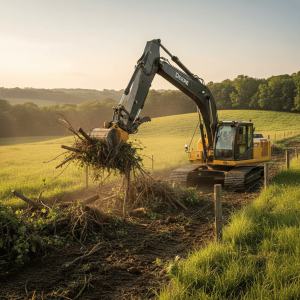
Excavators or skid steers may be used when roots or stumps are involved. Professionals often combine methods for the best result.

Contact us today!

We would love to speak with you.
Feel free to reach out using the below details.

When Should Underbrush Be Cleared?

Timing impacts the price as well as the efficiency.

Several contractors advise:

  • Late fall or winter for improved visibility
  • Dry weather for simpler equipment access
  • Before wildfire season in high-risk areas


Seasonal planning is a good way to reduce inconvenience and achieve better results.

Final Thoughts

One of the major issues affecting a property’s overall health over time is understory management. It is a great way to save the land from various troubles that could be caused by fire risk, pests, drainage problems, and hidden hazards. Besides, it also greatly benefits the land by enhancing its usability and development potential.

Property maintenance underbrush clearing is not just cosmetic. It is preventative care for your land.

When handled professionally, underbrush removal keeps property safer, healthier, and easier to manage for years to come.

Join Our Newsletter

INFORMATION

© 2026 LandClearingCosts.com - All rights reserved