Land clearing regulations
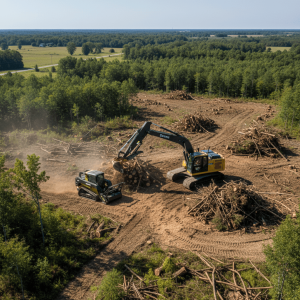
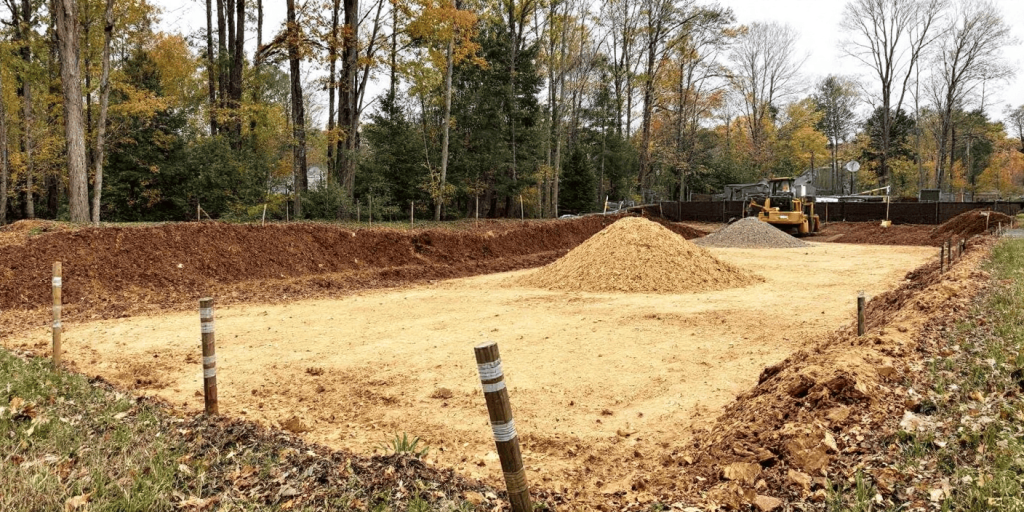
Land development always starts with clearing the land. Before homes, roads, businesses, or farms can be built, vegetation and debris must be removed and the site prepared.
But land clearing is not just a physical job anymore.
In many regions, regulations on land clearing are becoming stricter. Local authorities and environmental agencies are closely monitoring how land is cleared, what happens to the debris, and how soil and water are preserved.
For landowners and developers, understanding these regulatory changes is now an essential part of planning any work.
This article covers the reasons behind regulatory changes, the usual rules affecting land-clearing projects, and how to stay in compliance without incurring costly delays.
When land is cleared, the effect does not remain isolated to a single property.
Clearing disrupts:
- Water runoff and drainage
- Soil erosion
- Air quality from burning
- Wildlife habitats
- Neighboring land conditions
To prevent excessive environmental damage and the continuation of unsafe practices, the authorities have been implementing more rules as development continues to expand.
Regulations are not meant to stop land use. They are meant to ensure land is cleared responsibly.
Several types of rule changes are becoming more common across many states and counties.
- Expanded Permit Requirements
More jurisdictions now require permits even for smaller clearing projects.
Permits may be triggered by:
- Clearing over a certain acreage
- Removing large trees
- Disturbing soil near waterways
- Preparing land for commercial development
Avoid skipping permits to prevent fines or stop-work orders. A professional contractor should always discuss permits early.
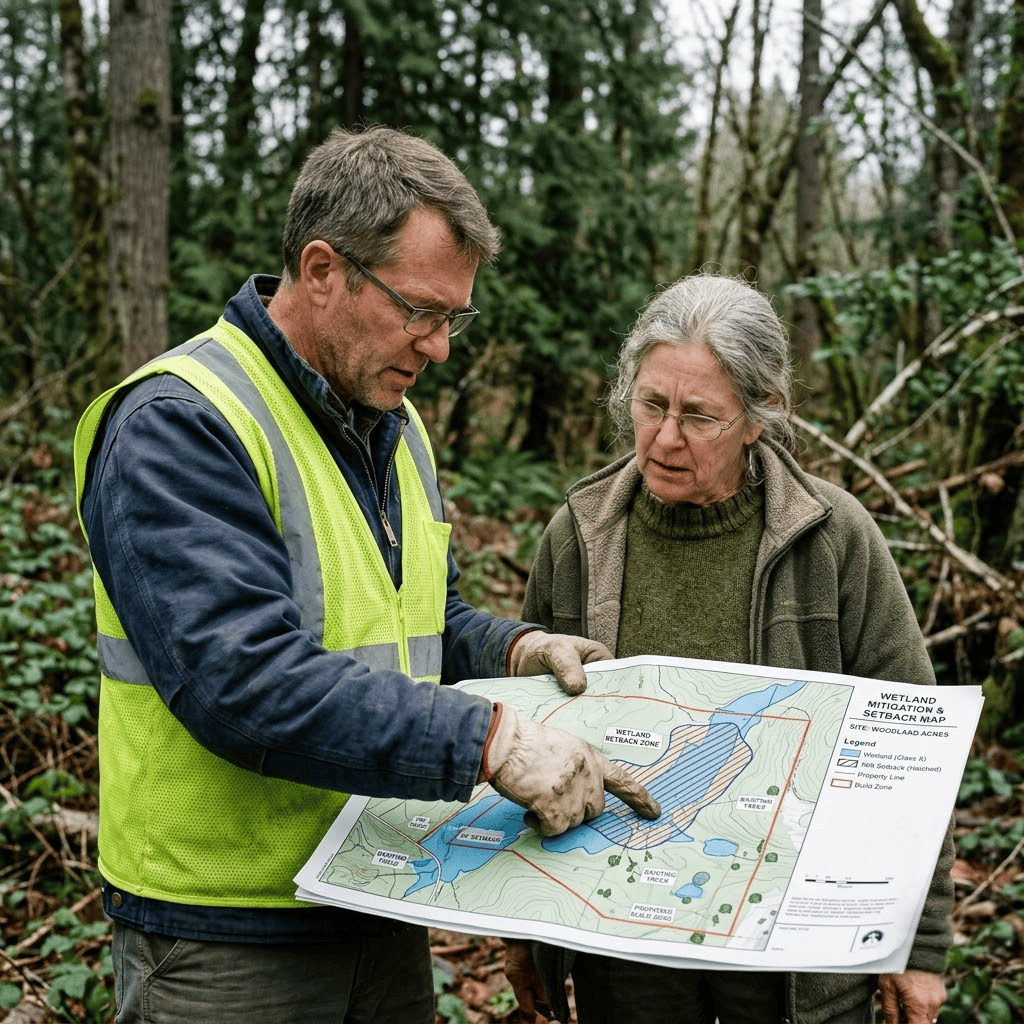
- Stronger Wetland and Buffer Protections
Wetlands and stream buffers are heavily regulated.
Newer land clearing regulations often require:
- Setback zones where clearing is limited
- Environmental reviews before work begins
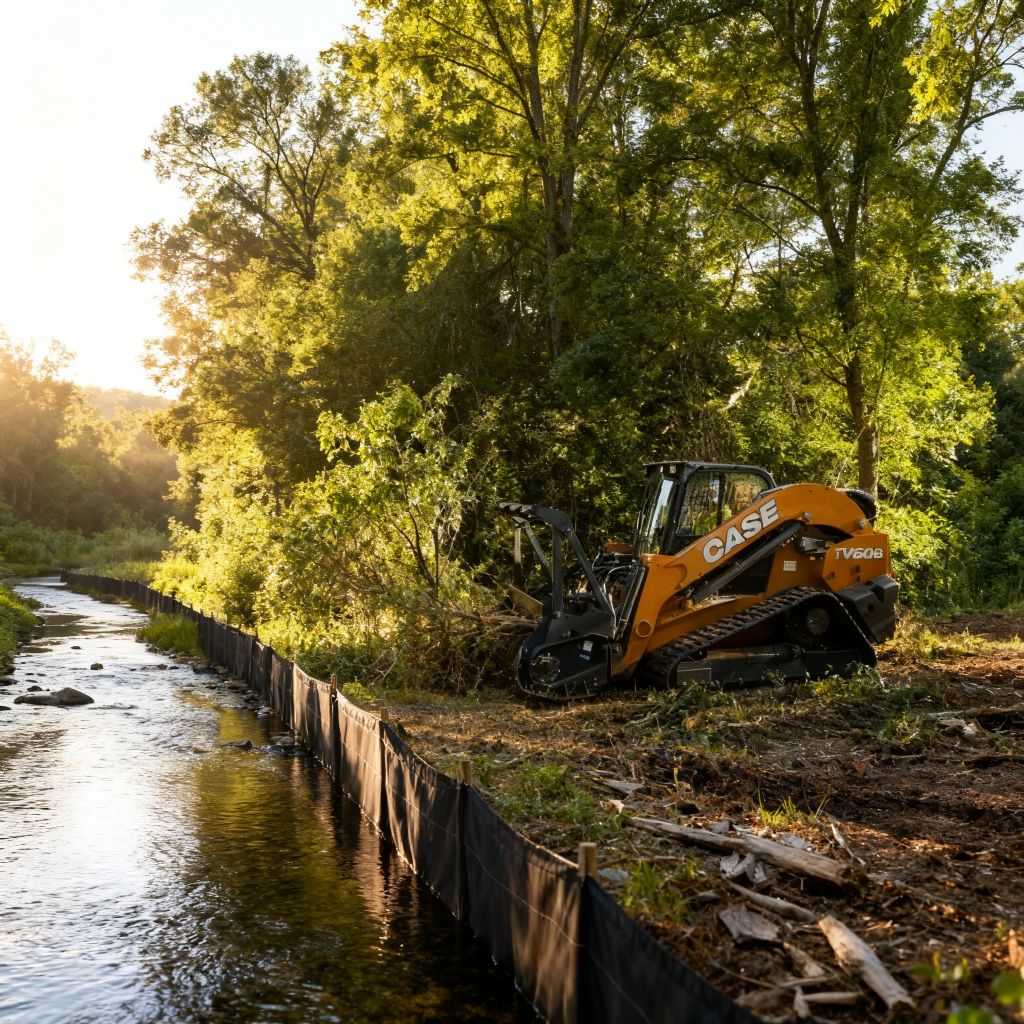
- Special erosion controls near water
Even if wetlands are not immediately apparent, they may be present underground or seasonally. This underscores the importance of conducting thorough site evaluations prior to initiating clearing activities.
- Increased Erosion Control Enforcement
Erosion is one of the biggest concerns during clearing.
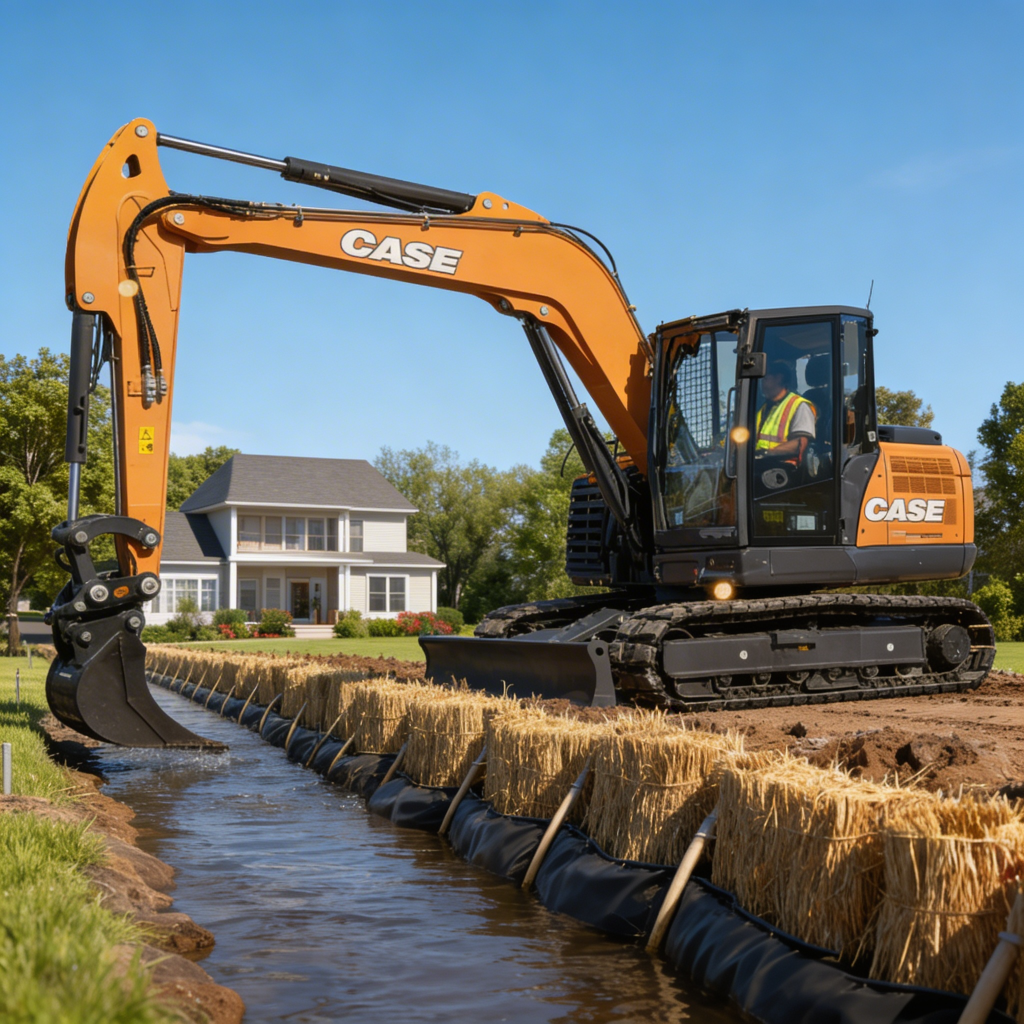
Many areas now require erosion control measures, such as:
- Silt fencing
- Sediment traps
- Mulch ground cover
- Drainage planning before grading
Bare soil can wash into roads, streams, and neighboring lots. Nowadays, erosion compliance has become one of the most difficult issues in a professional land clearing business.
- Burning Restrictions and Air Quality Standards
It is true that burning garbage may be less expensive than taking it away, but burning is highly regulated.
Because of the smoke problems, fire hazards, air pollution laws, and the increasing number of residential neighborhoods near the sites, many counties have placed restrictions on burning.
Burning bans might be seasonal or permanent. When burning is not allowed, debris must be mulched or hauled away, which can raise costs. Debris handling is often the biggest cost factor in clearing projects.
- Tree Preservation Ordinances
Some towns now protect certain trees, especially in residential zones.
Rules may require:
- Approval before removing mature trees
- Replacement planting
- Limits on clearing near property lines
Tree preservation regulations are growing as communities try to balance development with green space.
- More Oversight on Commercial Projects
Commercial land development usually faces stricter rules than residential development.
Commercial land clearing regulations may include:
- Environmental impact studies
- Stormwater management plans
- Larger permit fees
- More inspections during site prep
Large projects also create more debris and traffic, which increases regulatory attention.