Homesite Clearing: The First Step in Development

Building site clearing

Every home starts with an idea, but it becomes real only when the land is ready. Before a foundation can be poured or framing can begin, the property must be properly cleared and prepared.

That is why clearing the building site is the essential first step in any homesite development project.

Many landowners assume clearing is just cutting trees. In reality, homesite clearing is a detailed process that affects safety, cost, drainage, and the long-term stability of the home.


This article explains what building site clearing involves, why it matters, and what homeowners should expect before construction begins.

What Is Building Site Clearing?

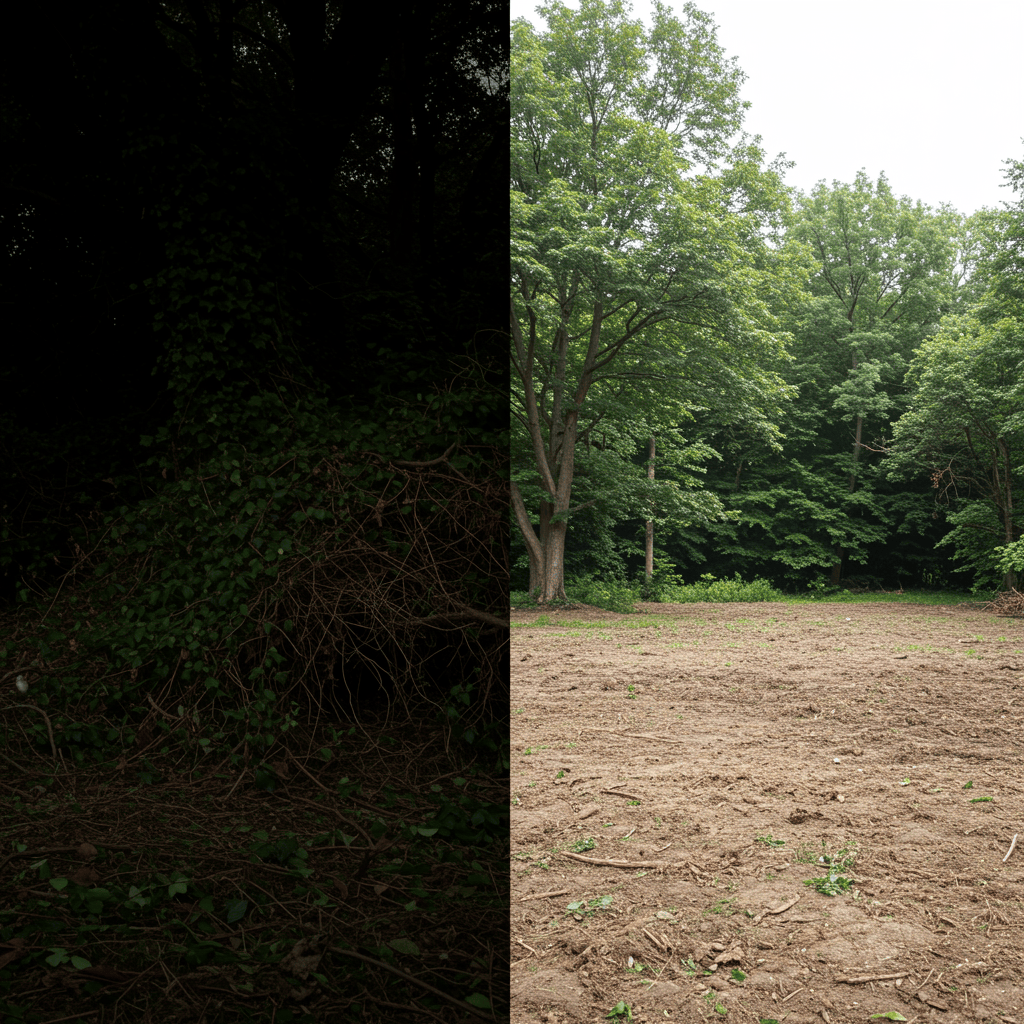
Building site clearing is the process of removing trees, brush, stumps, and debris to make the land suitable for construction.

A raw lot may contain:

  • Thick vegetation
  • Root systems under the soil
  • Uneven ground
  • Hidden debris
  • Poor drainage areas


Clearing establishes a secure and accessible environment, facilitating the commencement of subsequent phases of site preparation. This process extends beyond mere aesthetics, emphasizing functionality and stability.

Homesite Clearing_ The First Step in Development (1)
Building site clearing (1)

Why Homesite Clearing Comes First

A home cannot be built on unstable or obstructed ground.

Building site clearing is the first necessary step that facilitates:

  • Safe access to equipment on the property
  • Contractors are grading and leveling the site
  • Planning of proper drainage
  • Soil testing before laying the foundation


Failure to properly clear the site or doing so in haste generally leads to complications that can be expensive. Clearing is the initial phase, as all subsequent steps depend upon it.

Why Homesite Clearing Comes First (1)

What Happens During Homesite Clearing?

Professional clearing occurs in stages, with each stage supporting the subsequent one.

  1. Site Evaluation

Before equipment arrives, contractors assess:

  • Vegetation density
  • Tree size and root depth
  • Terrain slope
  • Soil conditions
  • Access points for machinery

This evaluation helps determine the safest and most cost-effective clearing method.


  1. Vegetation and Tree Removal

Next, unwanted growth is removed, including:

  • Brush and undergrowth
  • Small trees and saplings
  • Larger trees where needed

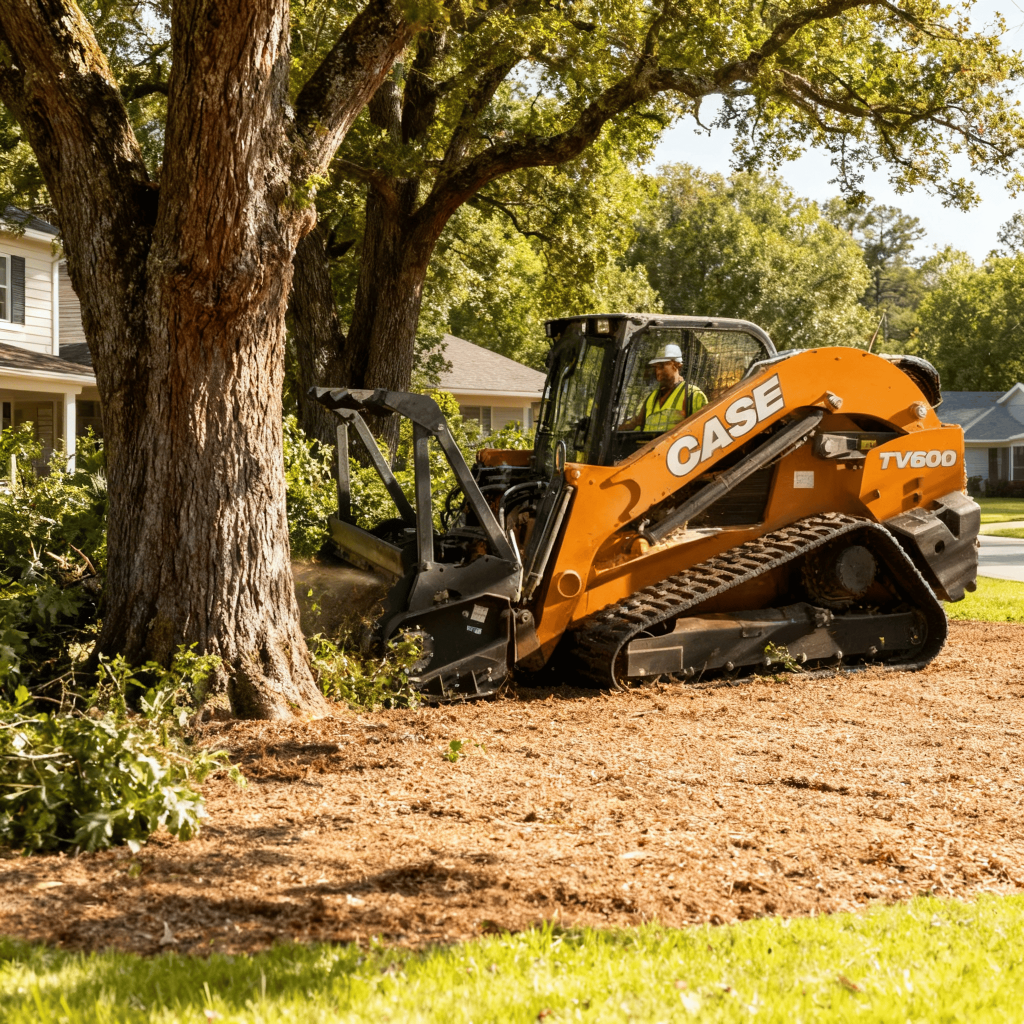
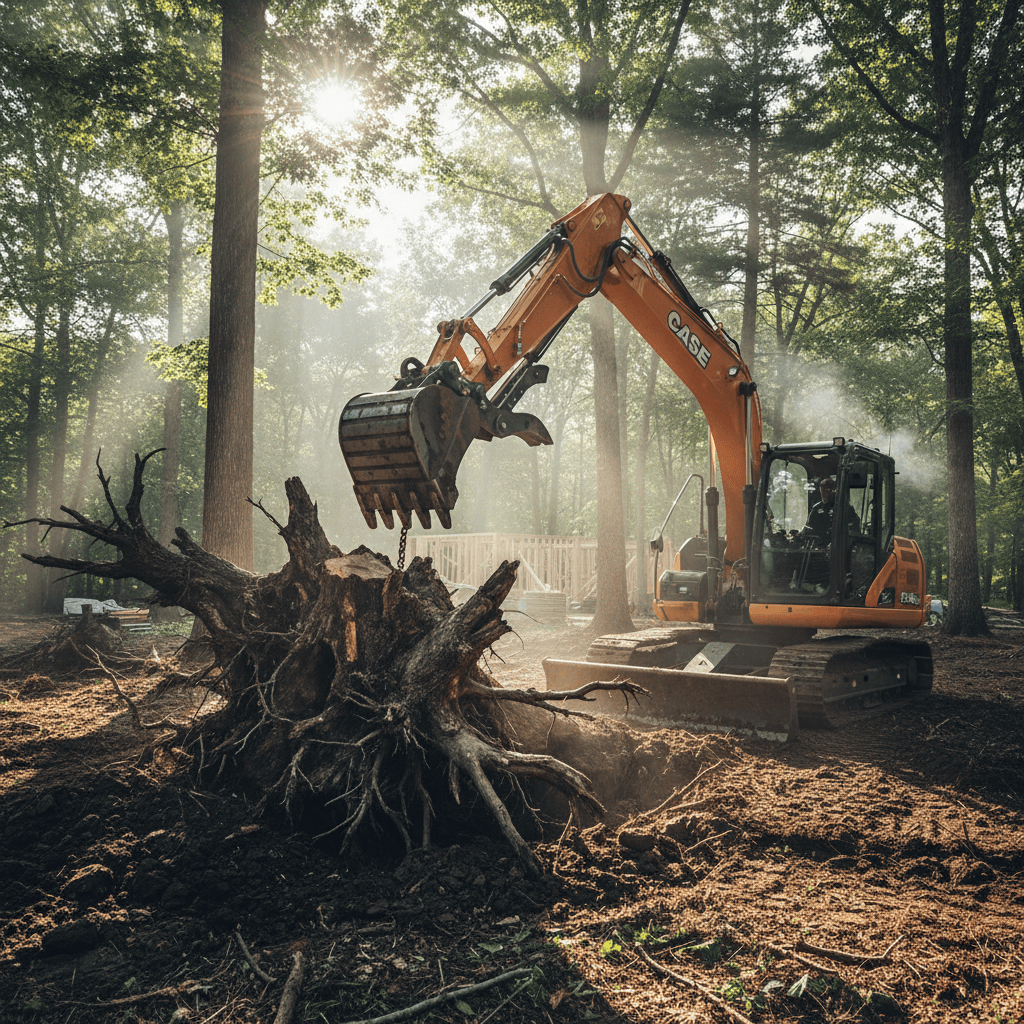
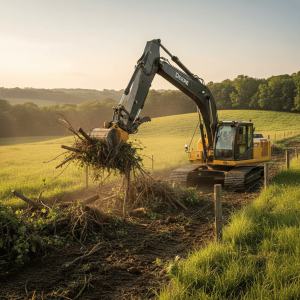
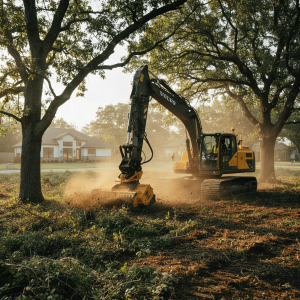
The choice of method depends on the project goals. Forestry mulching can be suitable for lighter clearing tasks, while excavators are typically required for removing large trees or complete clearance.


  1. Stump and Root Management

Roots and stumps can cause future settling and regrowth.

Depending on the homesite plan, contractors may:

  • Grind stumps down
  • Remove root systems completely
  • Use a root rake for deeper clearing

This step is critical for a stable building ground.


  1. Waste from the site

One of the main factors that affect the cost and planning of a building site is the handling and disposal of waste. 

Clearing a site generates a large volume and variety of materials, such as:

  • Logs and branches
  • Brush piles
  • Root mats
  • Organic waste

Debris can be disposed of in different ways:

  • Mulched on the site
  • Burned where allowed
  • Hauled away for disposal

Hauling means adding the cost of transport and dumping. Burning may be cheaper, but it is not always possible. Mulching lessens the need for removal, but it may not suit all construction sites.

This decision frequently influences the overall project cost.


  1. Rough Grading and Site Prep Transition

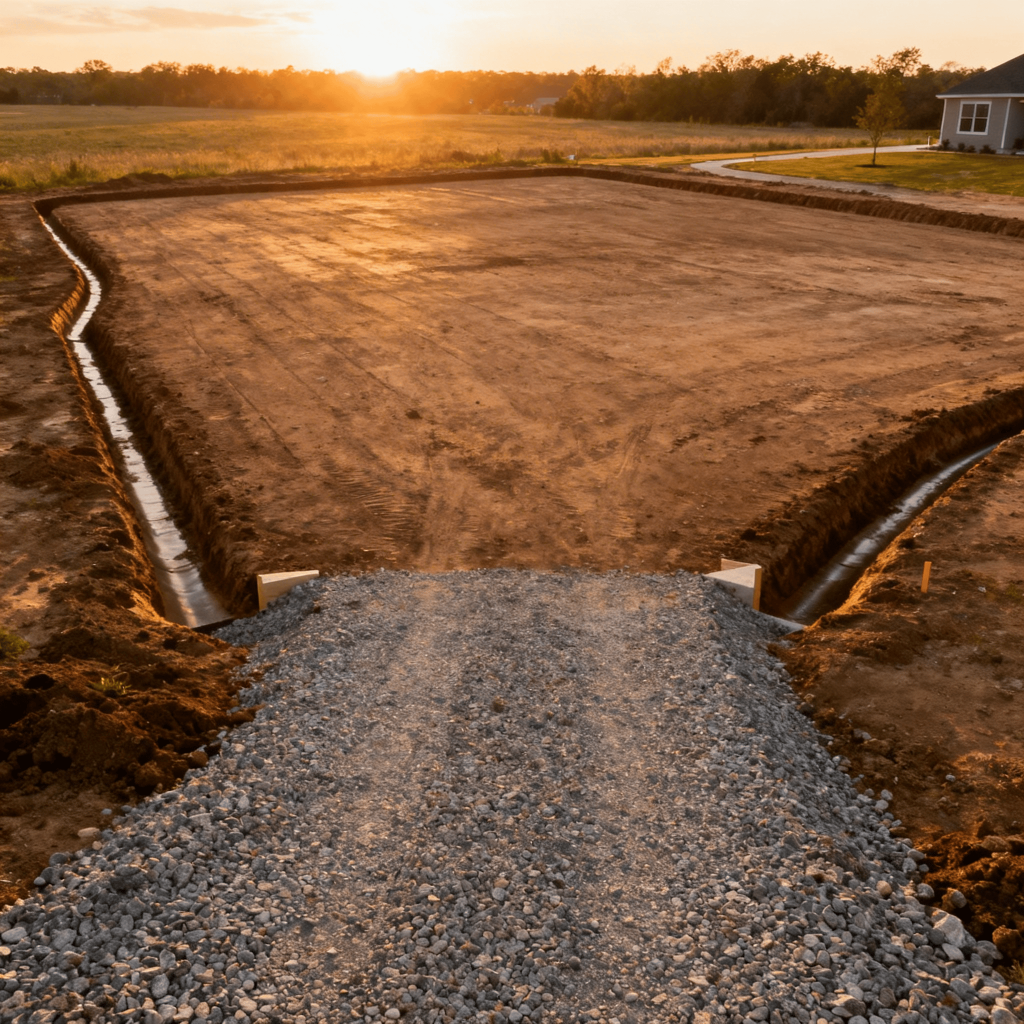
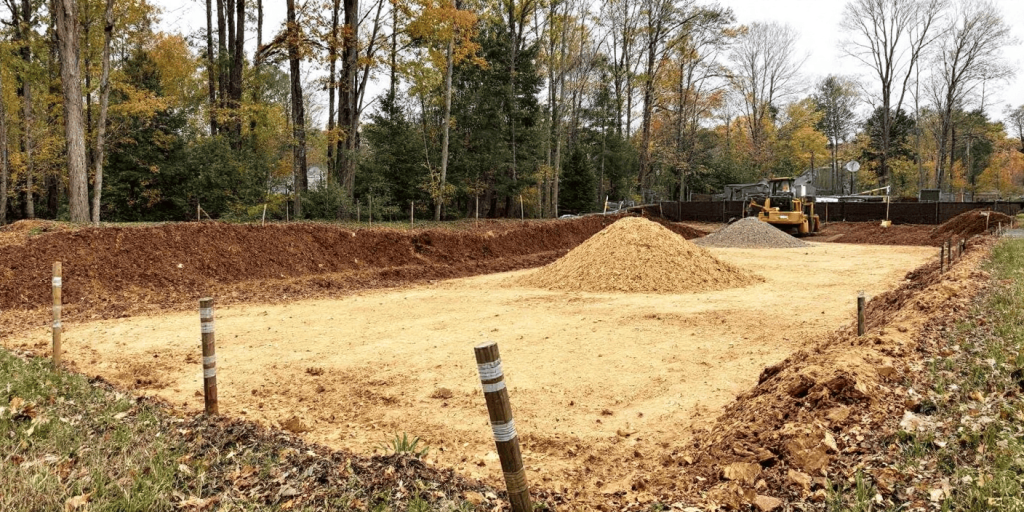
Once clearing is complete, the site is ready for grading.

Grading shapes the land to support:

  • Proper drainage
  • Foundation placement
  • Driveway and access routes

Building site clearing is not the final step, but it makes true site preparation possible.

Key Factors That Affect Homesite Clearing Costs (1)

Share:

More Posts

Send Us A Message

Building Site Clearing Methods

There is no single optimal clearing method; the appropriate strategy depends on the homeowner’s specific goals.

Forestry Mulching

Brush and small trees are shredded into mulch.

Best for:

  • Light to medium vegetation
  • Faster cleanup
  • Reduced hauling


Mulching is often more affordable because debris stays on-site.

Excavator Clearing

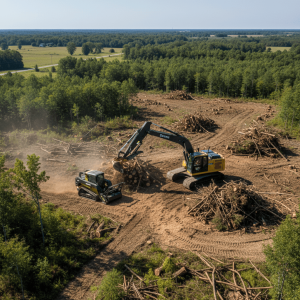
Excavators remove large trees, stumps, and roots.

Best for:

  • Full homesite clearing
  • Foundation preparation
  • Deep root removal


Excavators are powerful but may increase cost due to slower work and debris piling needs.

Bulldozing

Bulldozers push vegetation into piles.

Best for:

  • Large-scale clearing
  • Open development sites


Bulldozing often requires hauling or burning afterward.

Manual Clearing

Hand tools are used for tight or sensitive areas.

Suitable for:

  • Small lots
  • Fence lines
  • Machines cannot access these

Key Factors That Affect Homesite Clearing Costs

Pricing varies significantly between properties, as location and conditions are

influential factors.

Common cost factors include:

  • Vegetation density
  • Tree size
  • Terrain slope or rocky soil
  • Equipment needs
  • Fuel and labor rates
  • Equipment transport to the site
  • Debris disposal method
  • Unexpected obstacles underground


A heavily wooded acre incurs significantly higher costs for clearing compared to a lightly overgrown lot. Therefore, professional quotations necessitate an on-site assessment.

land clearing costs usa check today

Common Mistakes in Homesite Clearing

Many long-term construction issues can be traced back to clearing decisions.

Some of the most common mistakes are:

  • Leaving stumps or roots behind
  • Not planning for the early removal of the debris
  • Ignoring drainage patterns
  • Using the wrong equipment
  • Clearing too much land unnecessarily
  • Skipping permits or environmental rules


Experienced professional contractors can avoid these issues through proper planning and drawing on their experience.

Contact us today!

We would love to speak with you.
Feel free to reach out using the below details.

Residential Clearing Requires Extra Care

Homesite clearing is different from commercial clearing.

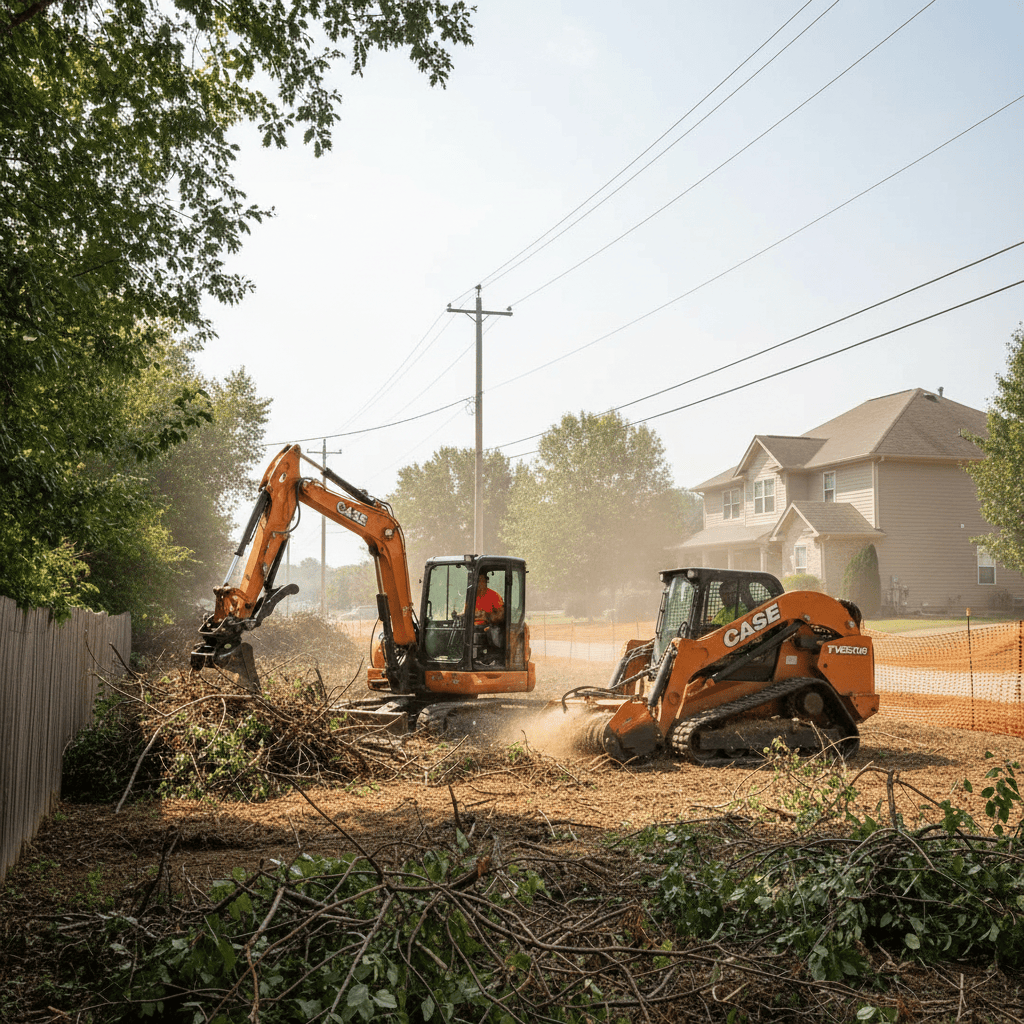
Residential projects often involve:

  • Nearby houses
  • Utility lines
  • Landscaping preservation
  • Neighborhood noise and access limits


A skilled building site clearing contractor works carefully to avoid unnecessary disruption.

Why Professional Clearing Makes a Difference

The crew performing the work matters as much as the equipment.

Professional land clearing teams provide:

  • Safe equipment operation
  • Proper debris management
  • Efficient work timelines
  • Knowledge of soil and drainage needs
  • Compliance with local rules


Clearing done correctly protects the investment from the ground up.

Final Thoughts

Homesite development begins with the land. The first major step in construction is clearing the building site, as it provides a safe, stable area a house needs.

Clearing means much more than just cutting down plants. It also means dealing with trash and taking out the remaining stumps. In fact, it pretty much sets the stage for all the work that follows.

If it is done professionally, the right kind of homesite clearing will not only prevent holdups and keep expenses to a minimum, but also make the land sufficiently ready for the foundation and the house.

Proper site clearing is the first step towards building a strong structure.

Join Our Newsletter

INFORMATION

© 2026 LandClearingCosts.com - All rights reserved