Brush & Tree Clearing: Property Value & Usability
Book now Property value land clearing Property value is not only about location. It is also about how usable, safe, and ready the land is.
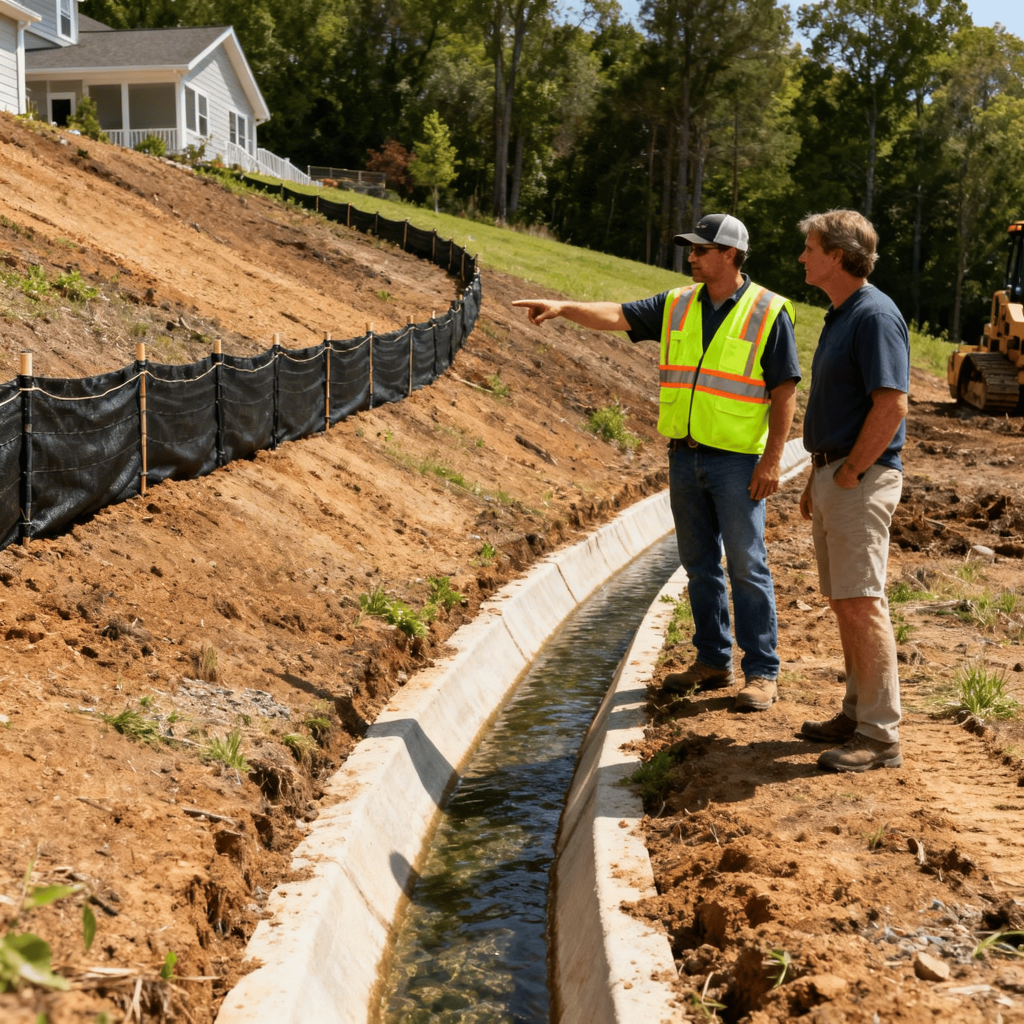
Erosion control and land clearing
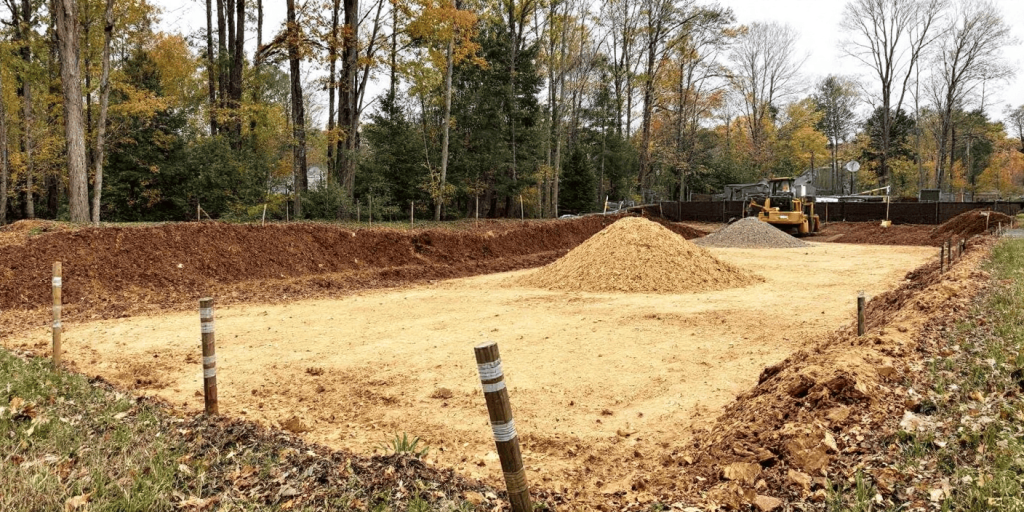
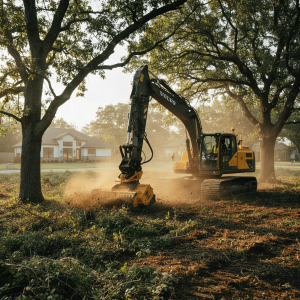
Land clearing is often the first step in building, farming, or improving a property. Trees, brush, and undergrowth are removed so the land can be used safely. But clearing also exposes soil, and exposed soil is vulnerable.
That is why erosion control and land clearing practices are so important.
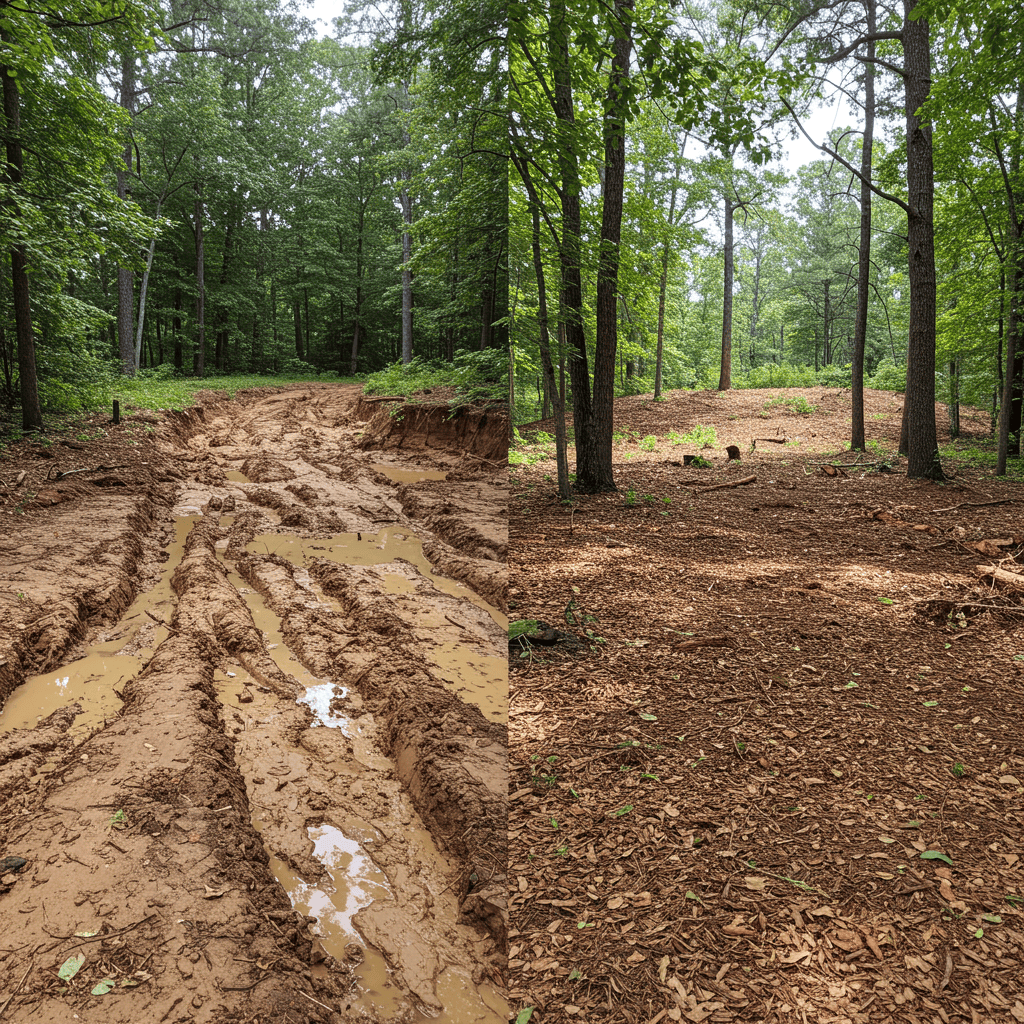
Without proper erosion control, rain and runoff can wash away topsoil, damage nearby areas, and create costly drainage problems. Many landowners focus on removing vegetation but forget that protecting the ground afterward is just as critical.
This article explains why erosion control matters during land clearing, what best practices contractors use, and how to prevent long-term land damage.
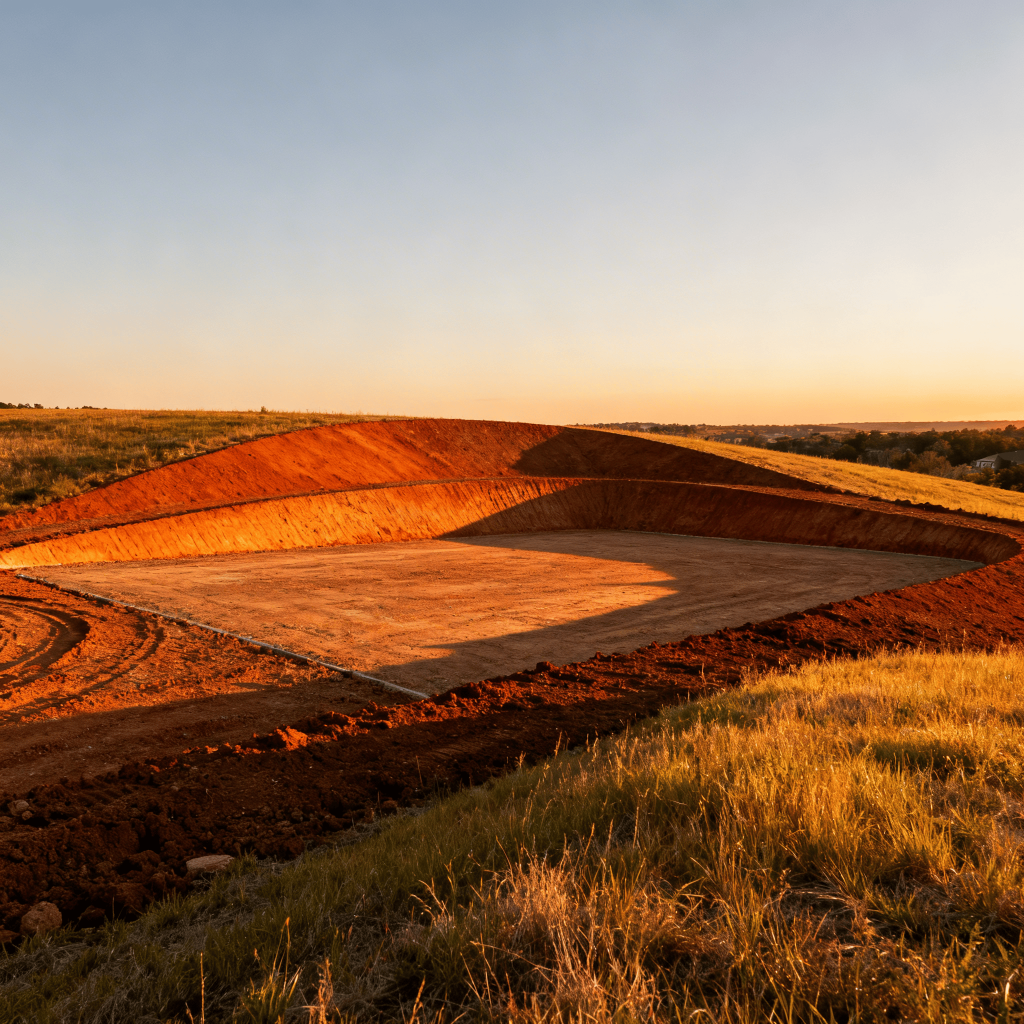
Erosion happens when soil is moved by water or wind. During land clearing, vegetation that once held soil in place is removed. That leaves the surface exposed.
If erosion is not managed, it can lead to:
Erosion control land clearing is not optional. It is part of responsible site preparation.
Many people imagine that erosion would only be an issue during a heavy downpour. The fact is that the greatest risk really arises directly after the removal of vegetation.
Following the clearing of land:
This is the main reason why strategies to control erosion should be underway even before the first tree is cut.
Professional contractors use proven methods to protect soil during and after clearing.
Every erosion plan begins with understanding the property.
Contractors look at:
This determines the areas most susceptible to erosion. Effective erosion control during land clearing always commences with meticulous planning rather than guesswork.
One of the simplest ways to reduce erosion is to avoid clearing everything at once.
Phased clearing means:
This is especially important on large lots or sloped land.

Book now Property value land clearing Property value is not only about location. It is also about how usable, safe, and ready the land is.

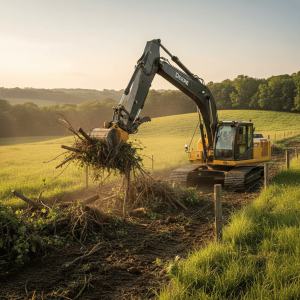
Book now Technology in land clearing Land clearing methods have undergone significant changes over the past ten years. Once a strenuous, chaotic, and semi, annually
Book now Land development opportunities Land development starts with one simple question: what can this land become? Many properties look unusable at first. They can
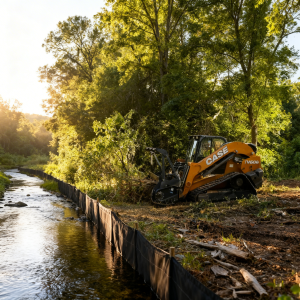
Book now Land clearing regulations Land development always starts with clearing the land. Before homes, roads, businesses, or farms can be built, vegetation and debris

Book now Future of land clearing Land clearing has always been the first step in turning raw land into usable space. Whether the goal is

Book now Building site clearing Every home starts with an idea, but it becomes real only when the land is ready. Before a foundation can

Book now Site preparation challenges Site preparation is one of the most essential parts of any land clearing project. Before a home, shop, road, or

Book now Property maintenance underbrush Underbrush may seem like a small issue at first. It is easy to ignore a patch of vines, thick shrubs,
Book now Underbrush removal is one of the most important first steps in land clearing. Any piece of land if has to be used for
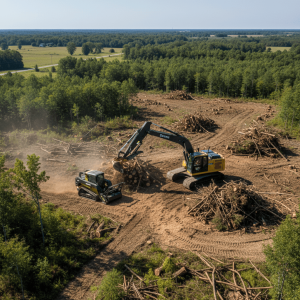
Book now (Land Clearing Equipment List) Land clearing is more than just cutting down trees and pushing the brush away. It is a professional process
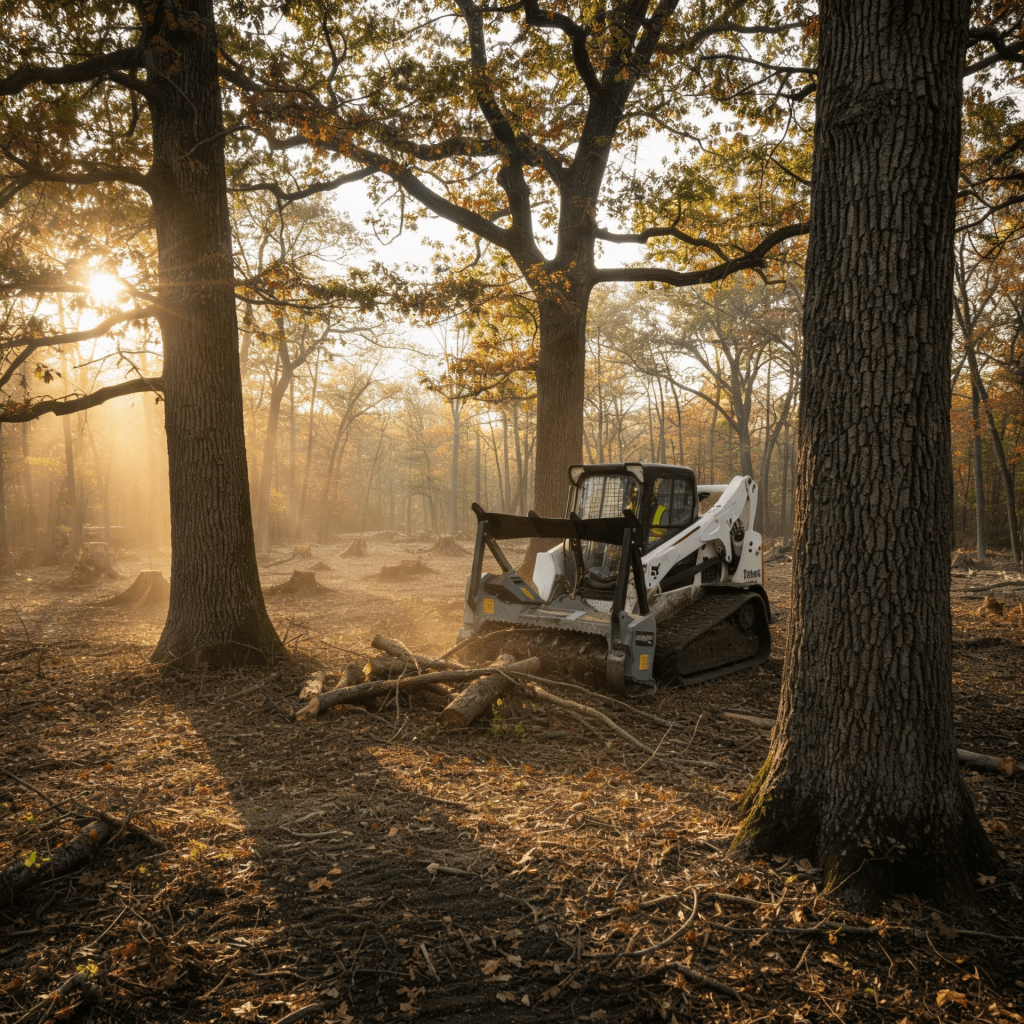
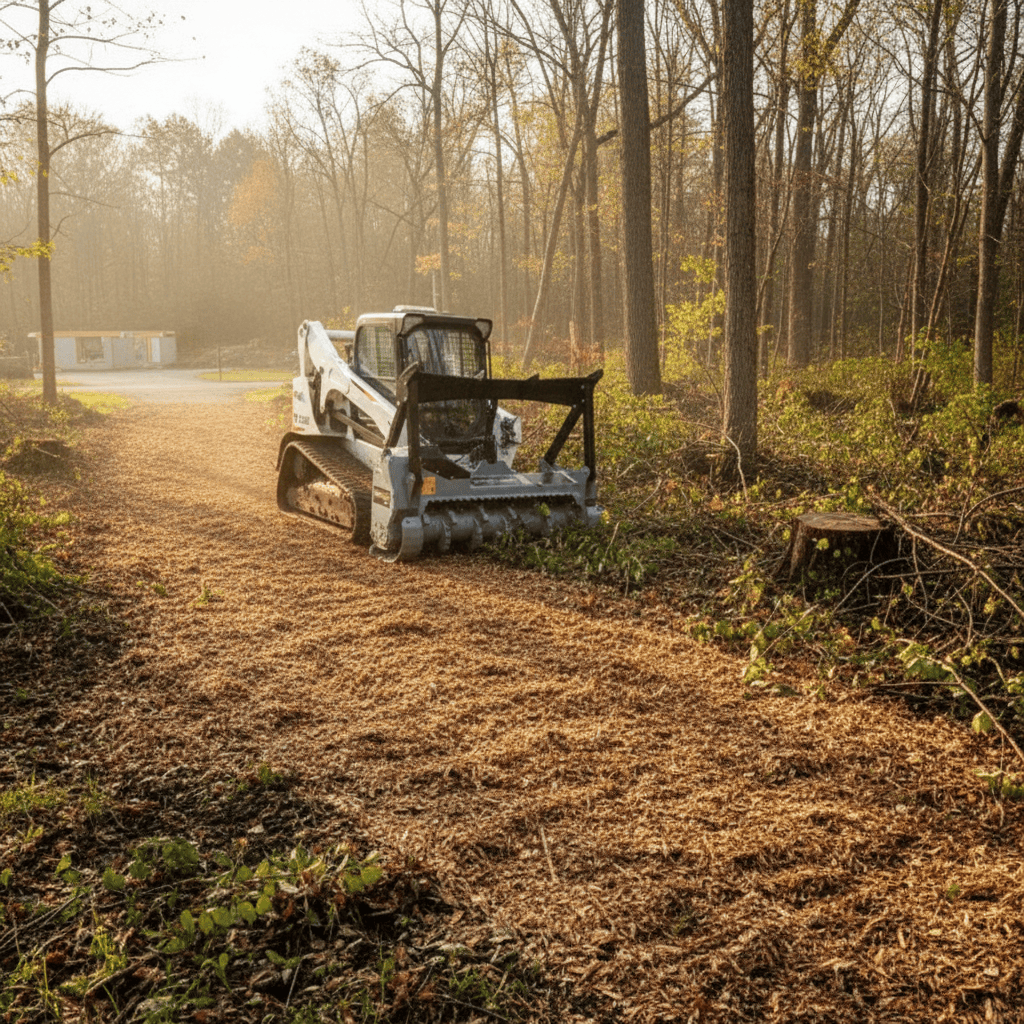
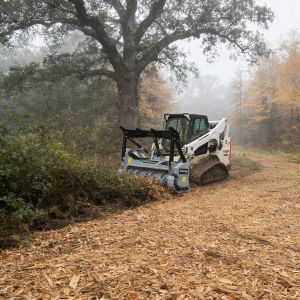
Forestry mulching is often one of the most effective erosion control tools.
Mulching:
The soil is neither disturbed nor exposed to the sun because the plant material stays on the site.
Consequently, not only is there less waste to be transported, but also the soil remains covered and protected
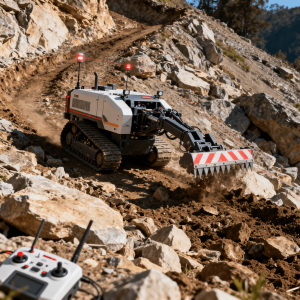
Slopes are the most erosion-prone areas.
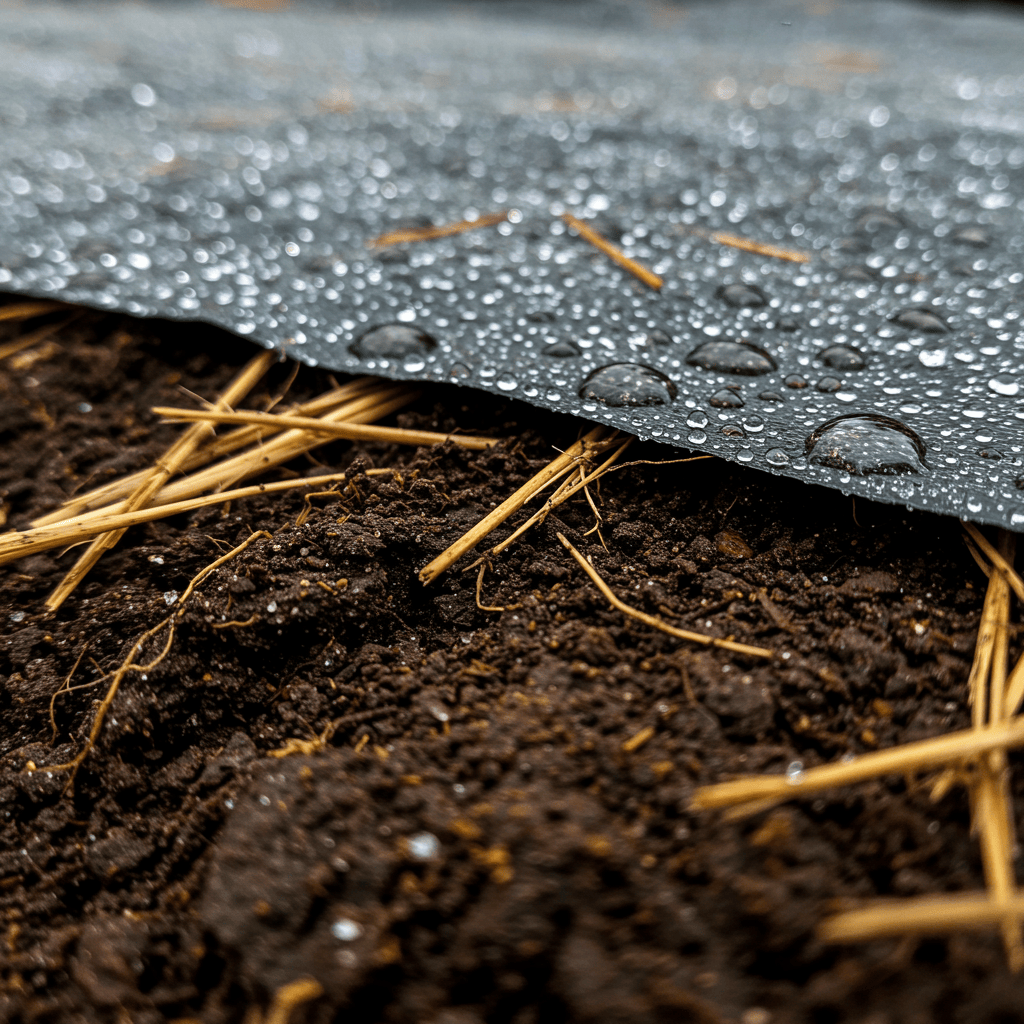
After clearing, contractors often apply:
These materials help hold soil in place until vegetation regrows or construction begins.
When clearing near water or neighboring land, sediment barriers are often required.
Common tools include:
These stop soil from washing off-site during rain events. Erosion control and land clearing also protect the surrounding environment.
Water flow is one of the main drivers of erosion.
Professional site prep includes:
Drainage is one aspect of clearing that, when done properly, will greatly reduce the risk of future building foundation and landscape problems.
Topsoil is the most precious soil layer. It supports grass, plants, and long-term land stability.
Best practices include:
Excessive disturbance increases erosion risk and makes restoration harder.
Debris management affects erosion more than many people realize.
After land clearing, vegetation may be:
Hauling removes natural ground cover, leaving soil exposed. Mulching is often helpful for erosion control as it prevents organic materials from being washed away.
Debris handling remains a major factor contributing to high costs, as transportation and disposal can significantly increase the project’s price.
Many areas require erosion control measures as part of permitting.
Regulations may include:
Professional contractors understand these rules and build compliance into the clearing process.
Ignoring erosion control can result in fines or even a shutdown of the construction.
We would love to speak with you.
Feel free to reach out using the below details.
Some major costly mistakes when it comes to clearing land are:
Besides the initial mistakes, these errors can lead to significant rework, additional grading, and soil loss over time.
Advantages of Erosion Control in Clearing That Can Be Realized Over Time
One shouldn’t think of erosion control only as a measure to prevent erosion damage today. It protects the property for years.
Good erosion control and land clearing lead to:
It is one of the smartest investments in responsible land preparation.
Final Thoughts
Land clearing can quickly change a property’s surface, but soil damage can last for years if erosion is ignored.
Erosion control land clearing best practices protect topsoil, prevent runoff problems, and keep projects on track. Clearing for the site is not just a matter of cutting down trees, land clearing properly is about preparing the ground in a safe and responsible manner and knowing that long-term stability is necessary.
The use of mulching and phased clearing, along with planning for drainage and installing sediment barriers, is truly the right way.