Essential Equipment for Efficient Land Clearing 

(Land Clearing Equipment List)

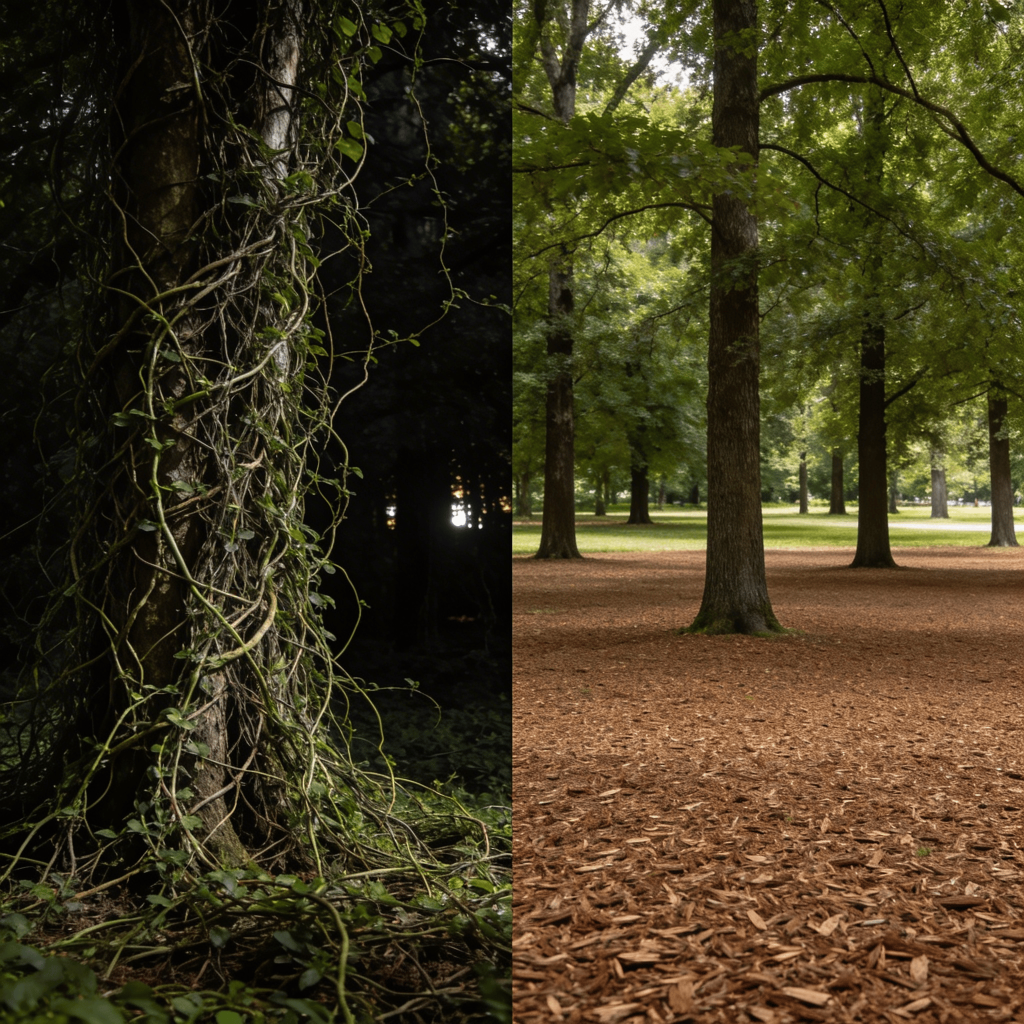
Land clearing is more than just cutting down trees and pushing the brush away. It is a professional process that involves having the right equipment, planning, and experience. Using machines on a job can influence the duration, safety, price, and even the future state of the land.

Many property owners assume land clearing is priced solely by the acre. In reality, the equipment required is one of the biggest cost drivers. A lightly wooded area might manage with only some simple machines, but a densely forested area filled with stumps and roots may require heavy, very powerful clearing equipment.


This guide covers the key machines on a typical land clearing equipment list, their respective purposes, and the significance of selecting the right equipment.

Why Equipment Matters in Land Clearing

Land clearing is about more than removing vegetation. It often includes:

  • Creating safe access for crews and machinery
  • Preparing land for construction or farming
  • Managing drainage and soil stability
  • Handling debris responsibly


The wrong machine can lead to:

  • Higher fuel and labor costs
  • Damage to soil structure
  • Slower project completion
  • More regrowth problems later


Professional contractors select equipment based on tree size, density, terrain, and the land’s intended use.

Essential Equipment for Efficient Land Clearing (1)
Why Equipment Matters in Land Clearing (1)

Core Land Clearing Equipment List

Below are the most common machines used in modern land clearing projects.

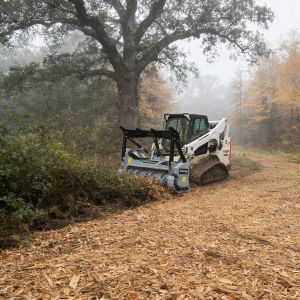
  1. Forestry Mulcher

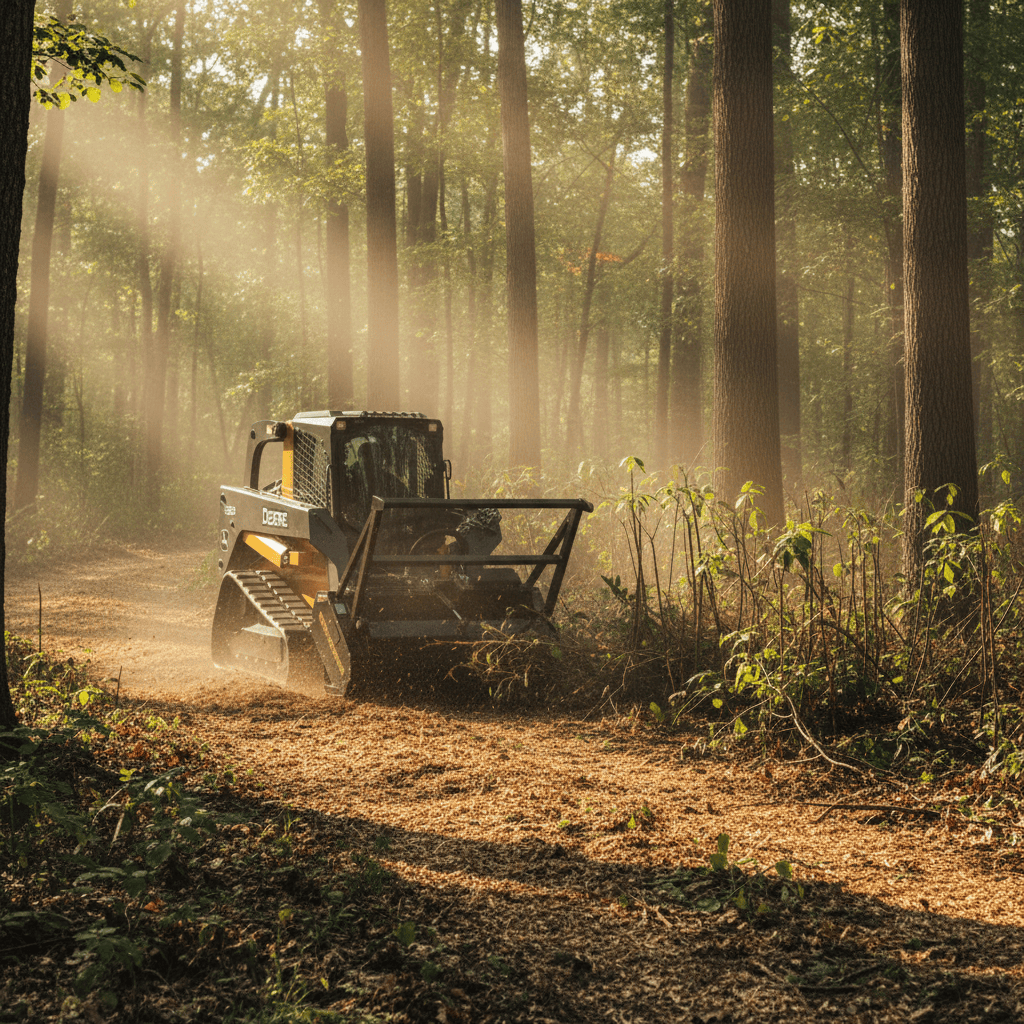
A forestry mulcher is one of the most popular tools in land clearing today. It grinds trees, brush, and undergrowth into mulch directly on the ground.

Ideal for:

  • Areas with dense brush
  • Clearing property lines
  • Creating firebreaks
  • Projects that do not require debris hauling


Why does it help efficiency:

  • No need to burn or haul debris
  • Faster cleanup
  • Leaves pa rotective mulch layer


Mulching is often one of the most cost-effective options for medium vegetation.

Core Land Clearing Equipment List (1)
Additional Cost Factors Tied to Equipment (1)

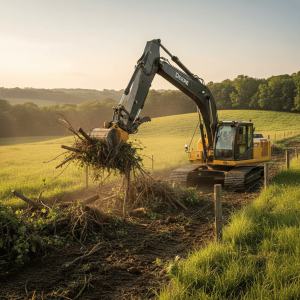
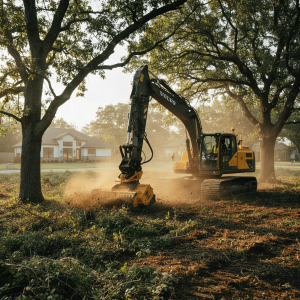
2. Excavator

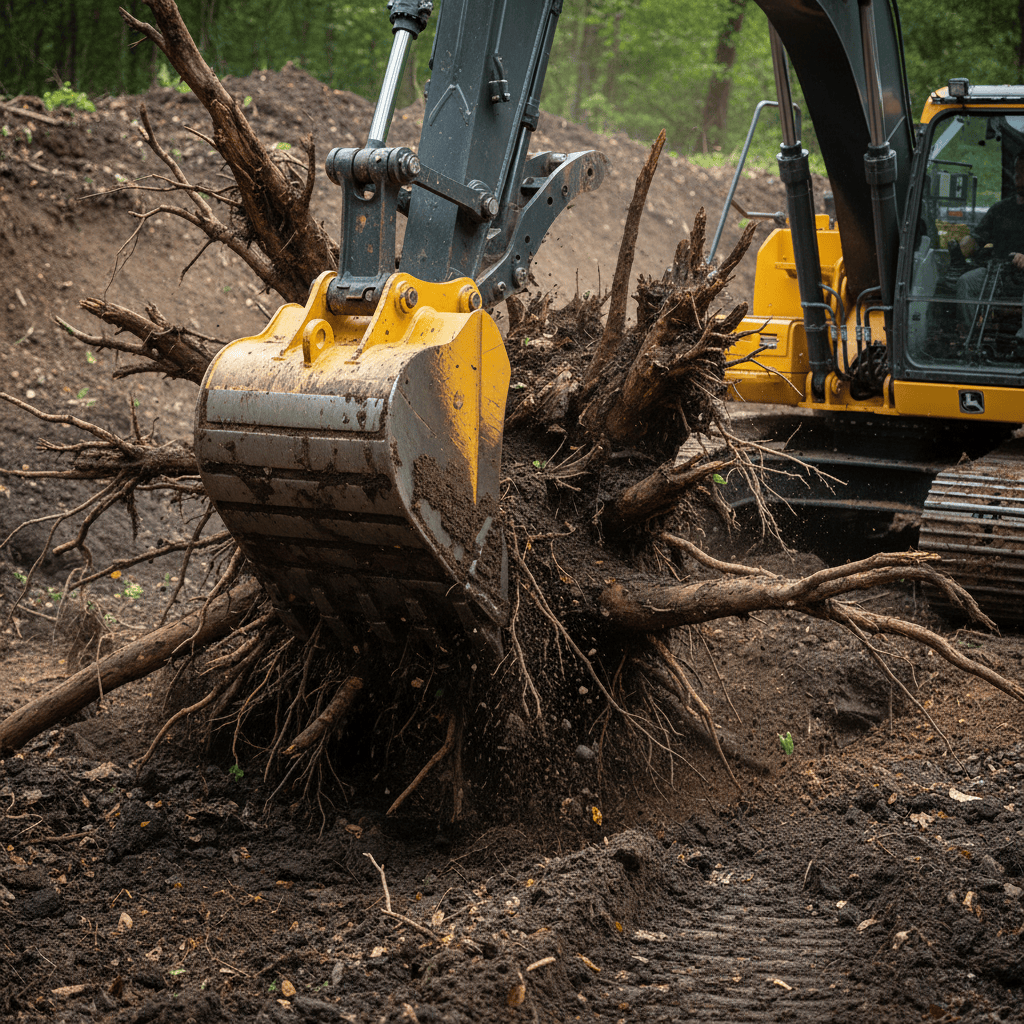
Excavators are essential for removing large trees, stumps, or roots.

Best for:

  • Large tree removal
  • Stump extraction
  • Root removal
  • Grading support


Excavators are powerful but usually slower than mulchers. They are often used when full removal is required, especially for construction foundations.

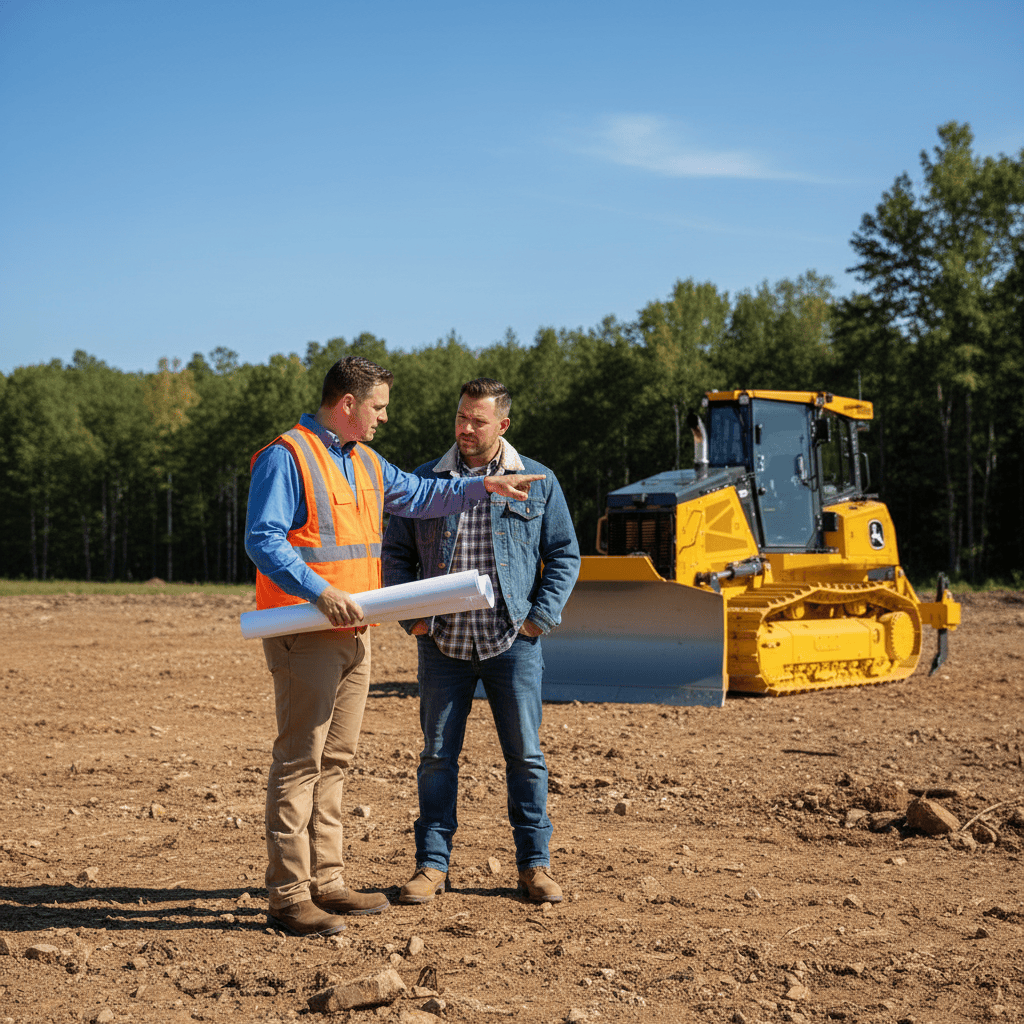
3. Bulldozer

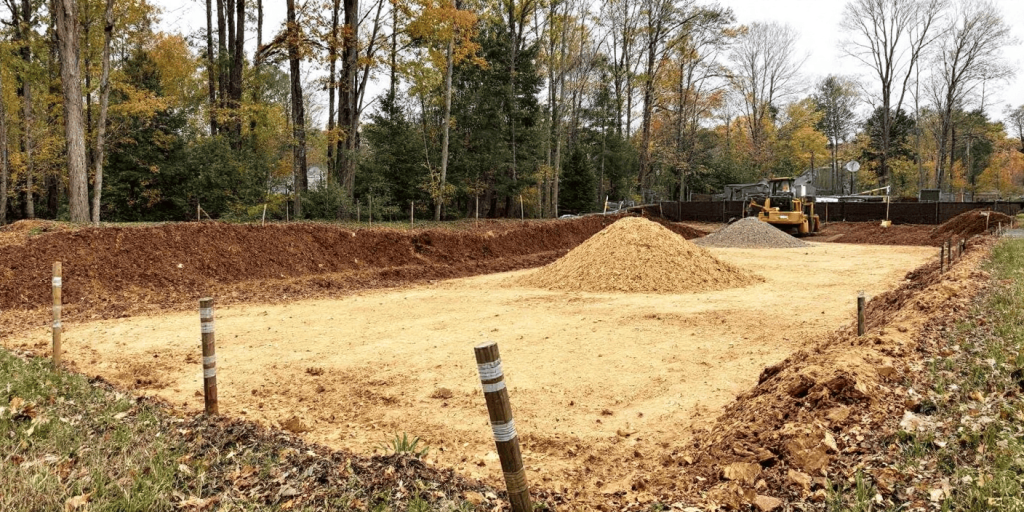
Bulldozers push vegetation, soil, and debris into piles. They are common equipment used in large commercial clearing jobs.

Ideal to use for:

  • large-site clearing
  • thick vegetation removal
  • mass grading tasks


Note:

One bulldozer’s soil disturbance is significant, so those areas are usually cleaned and leveled after a debris disposal process.

Equipment Choice and Debris Handling (1)

Share:

More Posts

Send Us A Message

4. Skid Steer Loader

Skid steers are versatile machines used for smaller jobs or finishing work.

Best for:

  • Residential lots
  • Tight access areas
  • Cleanup and material moving
  • Fence line work


Lately, they have also been equipped with various attachments such as grapples, buckets, or mulching heads.

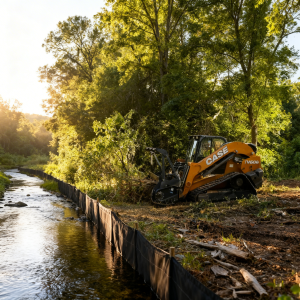
  1. Track Loader

Track loaders behave similarly to skid steers, but because they are equipped with tracks, they can go over soft or uneven ground more easily.

Best for:

  • Muddy sites
  • Sloped terrain
  • Heavy brush removal

In addition to that, they are more stable and have better traction than wheeled machines.

  1. Root Rake

A root rake is an attachment used on bulldozers or skid steers. It pulls roots, stumps, and organic debris from the soil.

Best for:

  • Preparing land for foundations
  • Cleaning up root mats
  • Removing buried debris


Root removal often requires hauling debris away, which increases costs.

  1. Brush Hog (Rotary Cutter)

Brush hogs are large mowing attachments used for clearing tall grass and light brush.

Best for:

  • Fields and pasture clearing
  • Light vegetation control
  • Budget-friendly maintenance


Brush hogging is not full land clearing, but it is a common first step.

8. Chainsaws and Hand Tools

Manual tools still play an important role, especially in sensitive or small areas.

Used for:

  • Selective tree removal
  • Tight spaces near structures
  • Detail work after machines


Manual clearing is labor-intensive and not ideal for large acreage, but it offers precision.

  1. Dump Trucks

Clearing creates debris, and dump trucks are critical when material must be removed from the site.

Used for hauling:

  • Logs and brush piles
  • Root mats
  • Soil and rock waste


Debris hauling is often the biggest cost factor in land clearing.


  1. Wood Chippers

Chippers process branches and smaller trees into chips for disposal or reuse.

Best for:

  • Residential clearing
  • Tree trimming cleanup
  • Areas where mulch is desired but mulchers are too large


Chippers reduce hauling volume but still require transport planning.

land clearing costs usa check today

11. Stump Grinder

Stump grinders remove stumps without digging up the entire root system.

Best for:

  • Yard preparation
  • Landscaping projects
  • Areas where excavation is not needed


Grinding is faster and less disruptive, but roots may remain underground.

Contact us today!

We would love to speak with you.
Feel free to reach out using the below details.

Equipment Choice and Debris Handling

One of the most significant issues with land clearing is:

Where does the debris go?

Different options are:

  • Mulching on-site
  • Burning (only if permitted)
  • Hauling away
  • Piling for later processing.


The type of equipment used directly affects how debris is managed. Mulchers can reduce the amount of material that needs to be hauled, while excavators and dozers generally require removing or burning the debris.

Additional Cost Factors Tied to Equipment

Equipment impacts cost beyond hourly machine rates.

Contractors must account for:

  • Equipment rental or ownership costs
  • Transporting machines to the site
  • Fuel and diesel expenses
  • Operator labor costs
  • Unexpected repairs or terrain issues


That is why land-clearing prices vary so much across locations and property conditions.

Most Efficient Setup for Many Projects

Often, contractors implement a hybrid model:

  1. Forestry mulcher for smaller vegetation. 
  2. Excavator for big trees and stumps. 
  3. Root rake for general cleaning. 
  4. Dump trucks in case debris needs to be removed. 


This approach balances speed, cost, and readiness for future use.

Summary

The efficiency of a land-clearing operation largely depends on the equipment used.

A good list of land-clearing equipment includes machines for cutting, grinding, hauling, grading, and cleanup. Having the right tools means less waiting, safer work conditions, and mistake prevention that saves money.

If you want to do a land-clearing project, first check with the contractors about the equipment they plan to use and how they will handle the debris. These two points usually determine the real cost and the success of the job.

Effective land clearing is about having the right machines, the right crew, and a clear plan for what comes next.

Join Our Newsletter

INFORMATION

© 2026 LandClearingCosts.com - All rights reserved