Future Trends in Land Development and Clearing

Future of land clearing

Land clearing has always been the first step in turning raw land into usable space. Whether the goal is to build homes, expand farmland, create access roads, or develop commercial property, clearing makes progress possible. But land clearing is changing.

New technology, stricter regulations, rising costs, and greater environmental awareness are shaping the future of land clearing. Property owners today are asking different questions than they did years ago. They want projects completed faster, more safely, and with less waste.


This article covers the main trends influencing land development and helps readers anticipate aspects of the future of land clearing.

Whatever method of building is used in the future, land must be prepared for the first step of construction.

The fundamental functions of land clearing will stay the same:

  • get rid of unwanted plants
  • make the area more accessible and visible
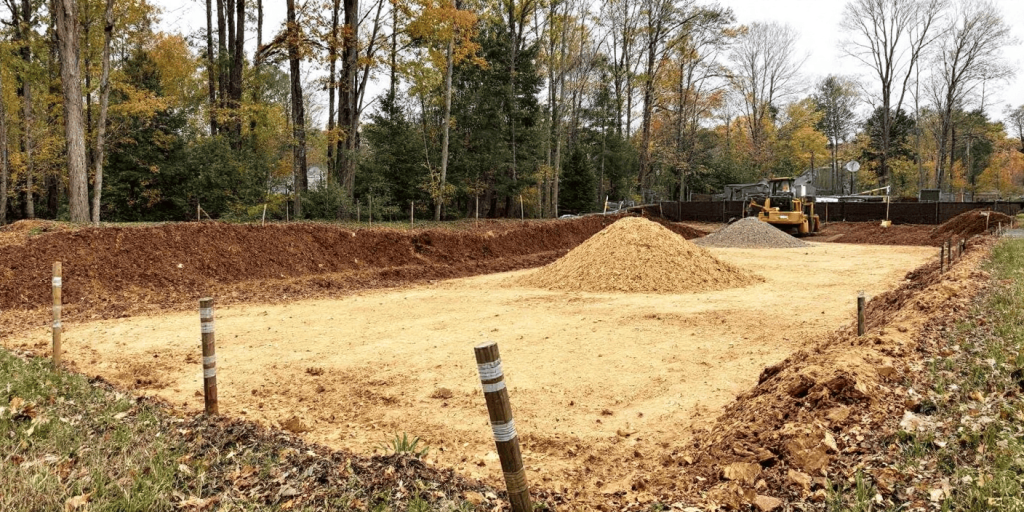
  • make the soil suitable for a stable building
  • facilitate drainage and support the land for future use

The question is how clearing will be done, how waste will be handled, and how the projects will be set up.

Trend #1: Emphasis on Handling Debris

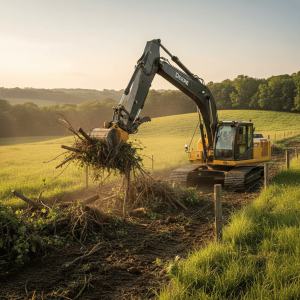
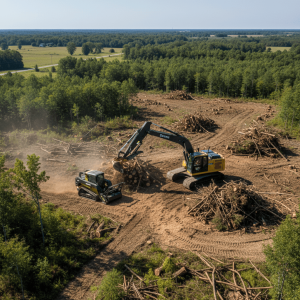
The consequences of deforestation have consistently been a significant concern in land clearing processes. The management of debris frequently represents the most substantial expense and a critical element in planning considerations.

In the future, more projects will aim to reduce waste by using methods such as:

  • On-site forestry mulching
  • Reuse of organic material
  • Reduced hauling and disposal
  • Better planning for burn restrictions


Landowners are becoming more aware that clearing is not just removal. It is also disposal, cleanup, and site restoration. Debris decisions will continue to shape the future of land clearing costs.

Future of land clearing

Trend #2: Forestry Mulching Will Keep Growing

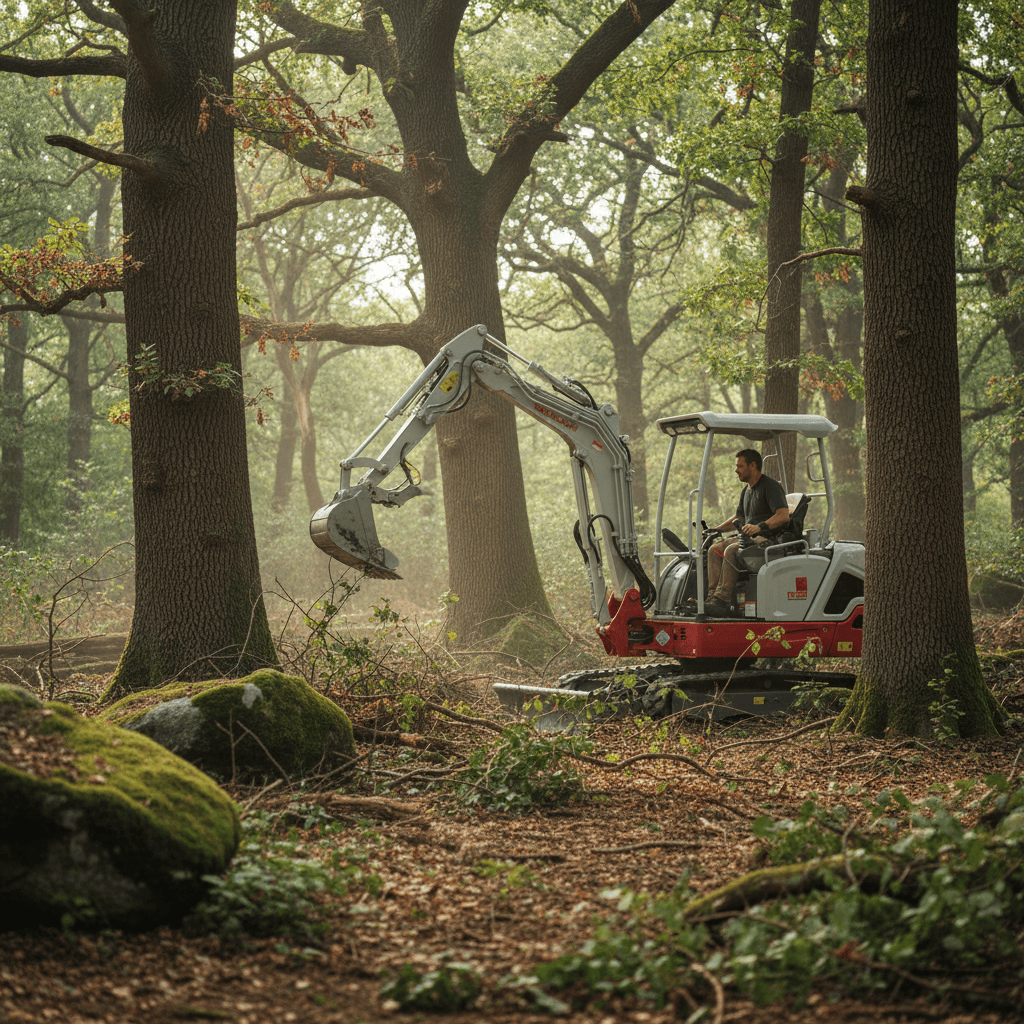
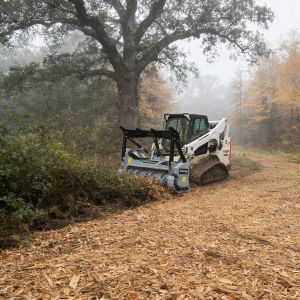
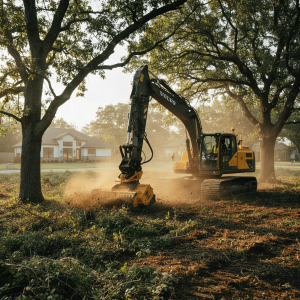
Forestry mulching is already one of the most popular modern clearing methods.

It is expected to expand because it:

  • Reduces hauling needs
  • Avoids burning in many cases
  • Leaves protective mulch on the soil
  • Supports erosion control


Mulching is well-suited to projects that want faster clearing with less disruption. As equipment improves, mulchers will handle larger material more efficiently, making them even more common.

Trend #1_ Emphasis on Handling Debris (1)
Trend #2_ Forestry Mulching Will Keep Growing (1)

Trend #3: Tighter Environmental Regulations

Nowadays, land development is being supervised more closely than before.

A lot of areas have regulations that limit:

  • Tree removal
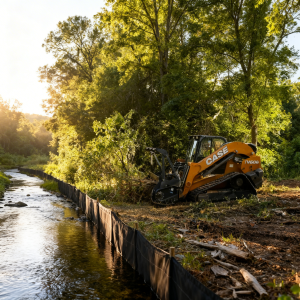
  • Clearing close to wetlands or streams
  • Controlling erosion and runoff
  • Burning debris
  • Protected habitats


Land clearing in the future is probably going to be very dependent on compliance work, such as:

  • Permit planning
  • Environmental assessments
  • Required erosion control measures

In this way, contractors will have to be very familiar with local regulations, and landowners will have to be very clear about their expectations before the start of the work.

Trend #4: Technology Will Improve Planning

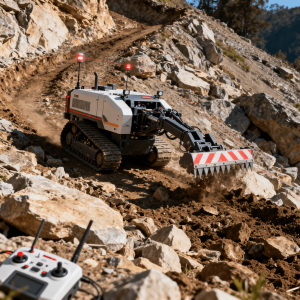
Land clearing is increasingly relying on data.

New tools are helping contractors plan projects with greater accuracy, such as:

  • Drone surveys
  • GPS-guided grading
  • Digital terrain mapping
  • Soil analysis tools


Better planning helps to avoid surprises such as hidden drainage problems or unstable soil. While technology won’t replace professional expertise, it enhances land clearing by making it more precise and predictable.

Share:

More Posts

Send Us A Message

Trend #5: Rising Equipment and Fuel Costs

Land clearing depends heavily on machinery.

Excavators, dozers, mulchers, and trucks all require:

  • Fuel
  • Maintenance
  • Skilled operators
  • Transport to the job site


Rental equipment costs have also increased in many areas.

Because pricing varies by location, the future of land clearing will continue to be shaped by:

  • Diesel prices
  • Equipment availability
  • Labor market change
  • Regional demand


Cost estimates will become even more site-specific.

Trend #6: More Demand for Skilled Operators

Modern land clearing is really a far cry from just pushing trees over.

It needs to be understood that:

  • Soil stability
  • Drainage control
  • Safe equipment use
  • Debris disposal rules
  • Site prep standards

With advances in methods, the demand for skilled operators and knowledgeable crews will definitely rise.

On the other hand, future land clearing will favor contractors who not only have the skills but also know how to perform their tasks efficiently.

land clearing costs usa check today

Trend #7: Land clearing will become more selective

Previously, many projects were all about getting totally rid of everything.

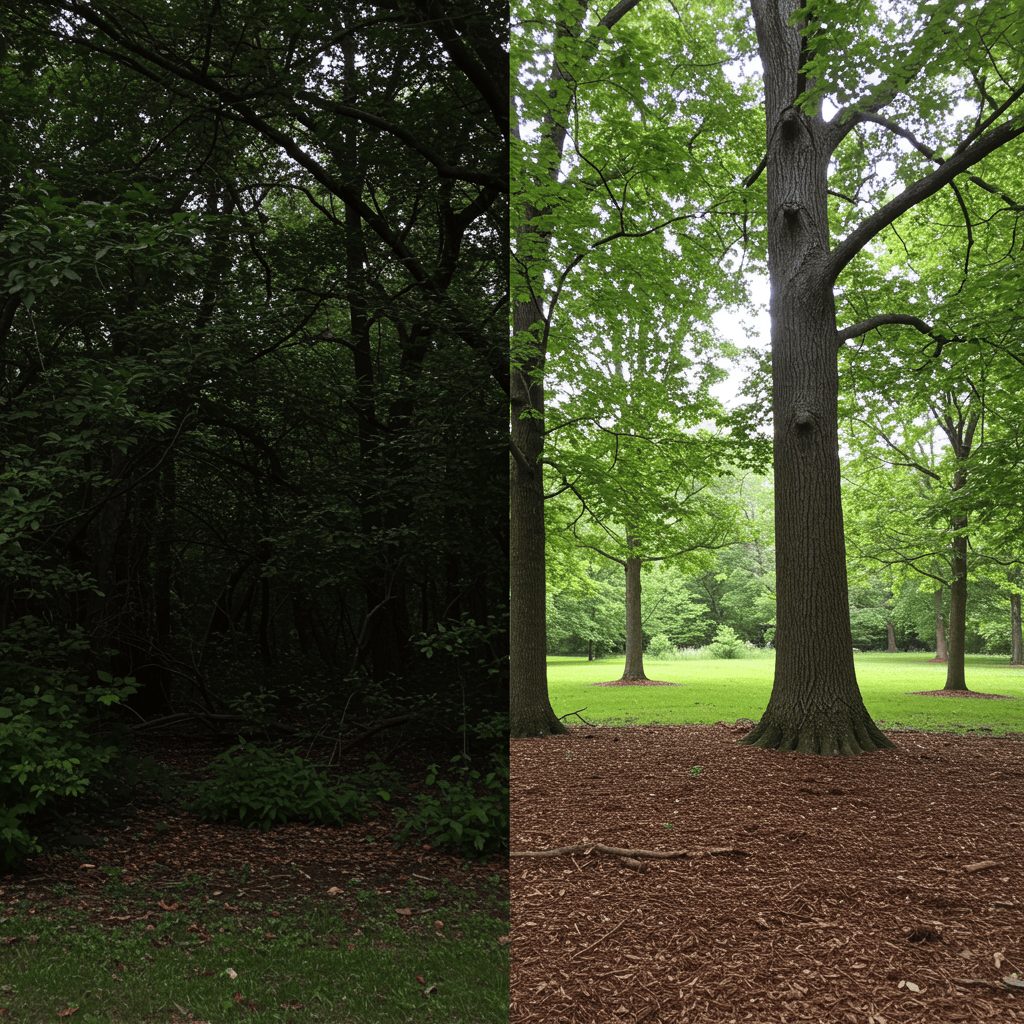
Now the development is moving to selective clearing, which is basically keeping healthy trees where possible, clearing only what’s necessary, minimizing soil disturbance, and protecting natural buffers.

Selective clearing is a green, friendly approach, and it normally lowers the risk of erosion too.

This is particularly useful for housing projects because homebuyers are very much into the natural look of the surroundings.

Trend #8: Wildfire Prevention Will Drive More Clearing

In many regions, land clearing is becoming part of wildfire planning.

Defensible space clearing is increasing because property owners want:

  • Reduced fire fuel near homes
  • Safer access routes
  • Better visibility around structures


The future of land clearing will include more work focused on prevention rather than development.

Underbrush management and firebreak creation are expected to be the norms in high-risk areas.

Trend #9: Shorter timelines and greater demands

Developers and homeowners are getting impatient and want their projects done at the speed of light.

Thus performs pressure for:

  • larger utilization of machines
  • proper logistics planning
  • definite strategies for the disposal of garbage
  • giving the clients accurate prices before the commencement of work


Only smartly planned companies might be able to accomplish professional clearing tasks; hence, they must equip themselves with planning systems if they

Contact us today!

We would love to speak with you.
Feel free to reach out using the below details.

Trend #10: Landowners Will Expect More Education

Many landowners today want to understand the process before hiring anyone.

They ask questions like:

  • What happens to the debris?
  • Is mulching better than hauling?
  • Do I need permits?
  • What equipment will be used?
  • Why do quotes vary so much?

The future of land clearing will include more transparency and more educational support for property owners.

Final Thoughts

The future of land clearing will be determined by the increased use of intelligent methods, tighter regulations, rising costs, and greater emphasis on soil and environmental health.

Development always starts with land clearing; however, the industry is heading towards:

  • Better debris solutions
  • More mulching and selective clearing
  • Advanced planning tools
  • Increased wildfire prevention work
  • Higher expectations for safety and professionalism


For landowners, the key trend is clear: clearing is no longer just cutting trees. It is a planned process that affects the land for decades.

Projects that are prepared responsibly today will be the ones that succeed tomorrow.

Join Our Newsletter

INFORMATION

© 2026 LandClearingCosts.com - All rights reserved