Overcoming Common Site Prep Challenges

Site preparation challenges

Site preparation is one of the most essential parts of any land clearing project. Before a home, shop, road, or farm improvement can begin, the land must be safe, stable, and usable. But site prep is rarely simple.

Every piece of land has its own conditions, and many owners are surprised by the hurdles that arise once work starts. Such site preparation difficulties may affect the cost, schedule, and the project’s quality.

The great thing is that most issues can be handled effectively with proper planning, the right equipment, and experienced contractors.


Here, we discuss the most common site preparation issues and how the pros tackle them.

Why Site Preparation Challenges Are So Common

Raw land presents challenges that can be highly unpredictable.

Even a lot that looks clear from the road may contain:

  • Hidden stumps and roots
  • Soft or unstable soil
  • Drainage problems
  • Thick underbrush
  • Access limitations
  • Local permit requirements


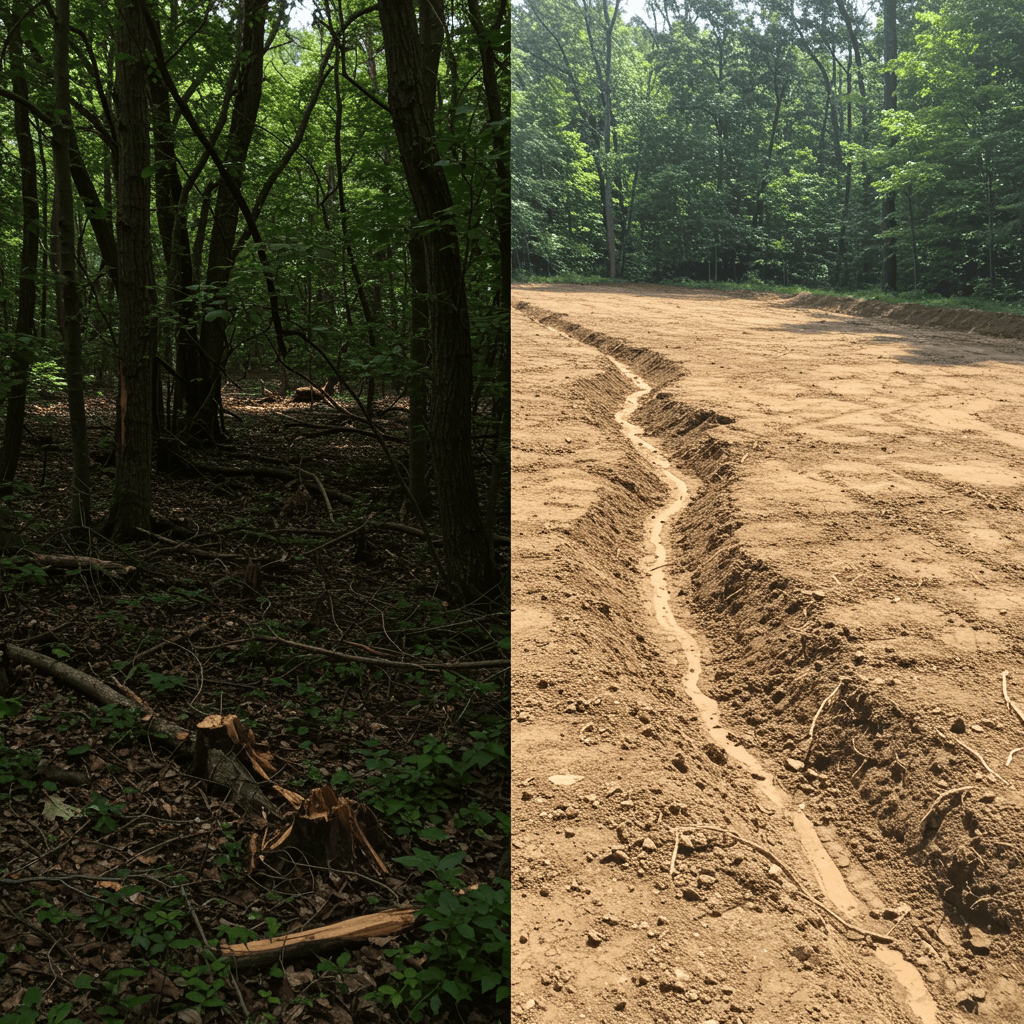
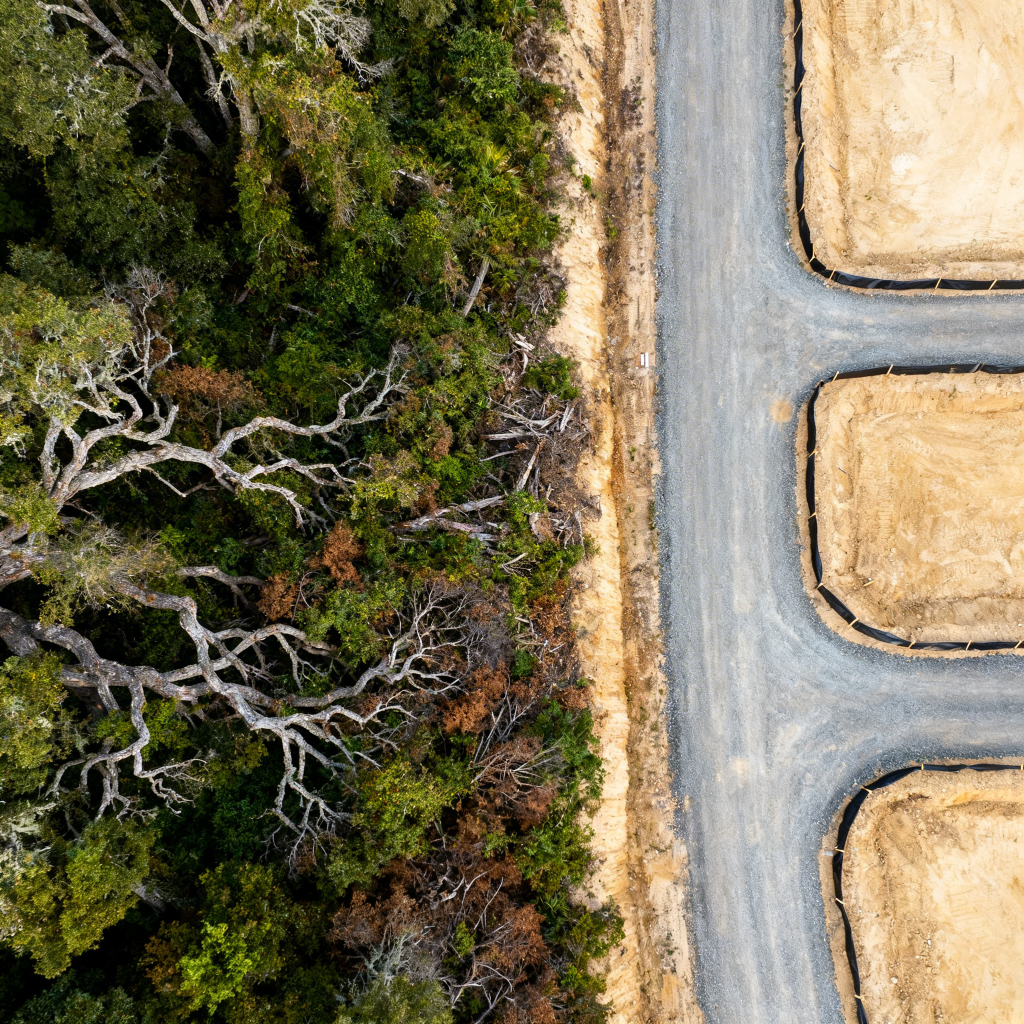
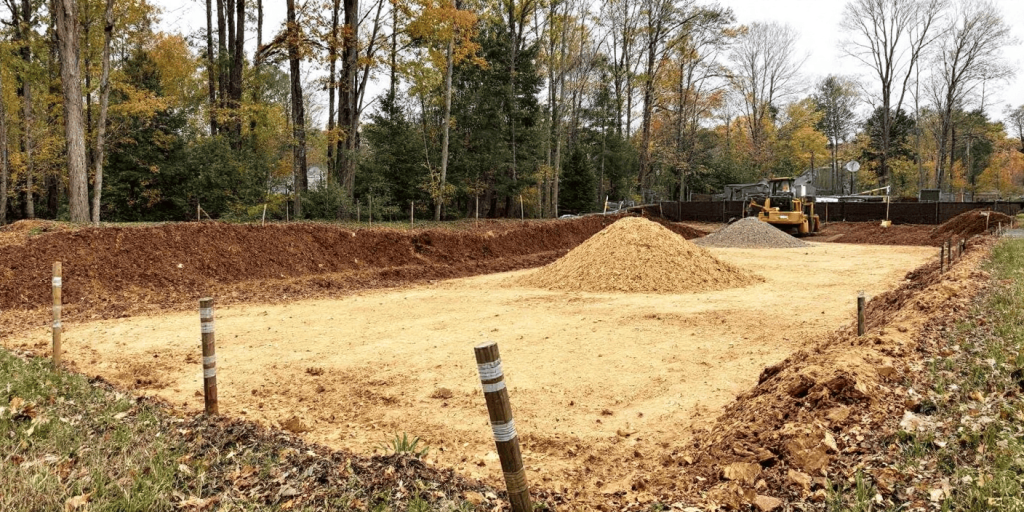
Site prep is not just land clearing. It is the process of turning uneven, natural ground into a build-ready surface. That is why challenges are typical, not unusual.

Overcoming Common Site Prep Challenges (1)

Challenge #1: Debris Handling After Clearing

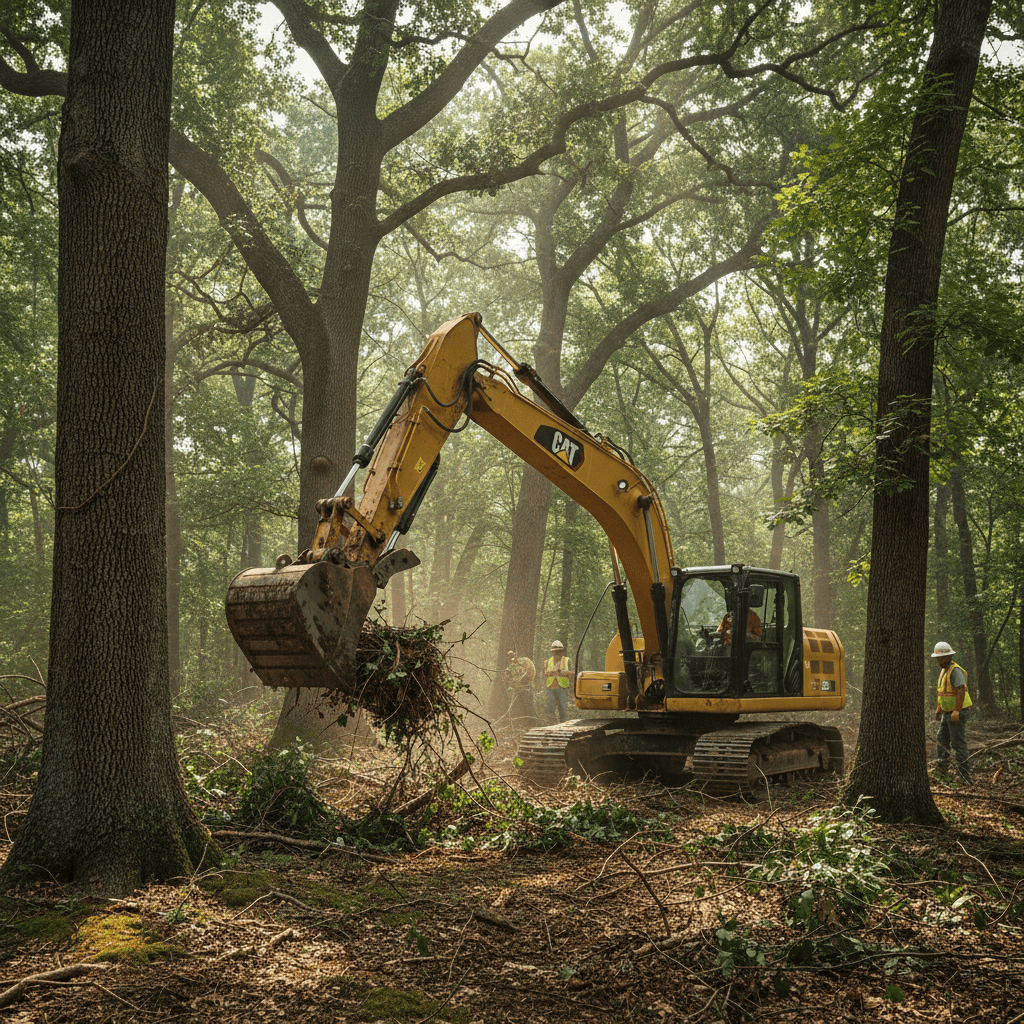
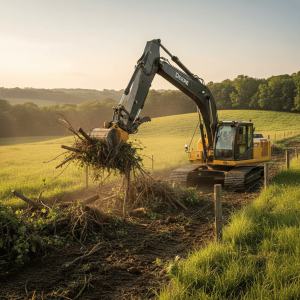
One of the most significant site preparation challenges is deciding what to do with the material removed. 

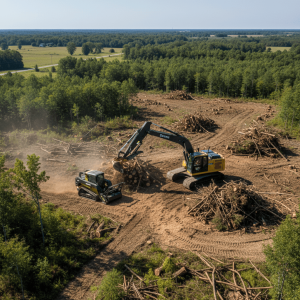
Land clearing creates a large amount of debris, such as:

  • Trees and limbs
  • Brush piles
  • Root mats
  • Stumps
  • Organic waste


The contractor must determine whether debris will be:

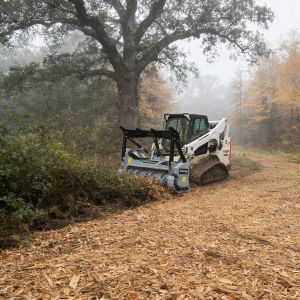
  • Mulched on-site
  • Piled and burned where allowed
  • Hauled away for disposal


This decision impacts both financial and logistical considerations. Moving debris necessitates trucks, which involve disposal costs and extra labor. Burning may be more cost-effective; however, it is not always a permissible option. 

Mulching decreases the need for hauling but may prove ineffective for large trees or extensive construction sites. Overall, debris management typically accounts for the largest share of costs in clearance projects.

Challenge #1_ Debris Handling After Clearing (1)

Challenge #2: Unstable Soil Conditions

Soil is among the most neglected aspects of site preparation.

Some lots contain:

  • Sandy soil that shifts
  • Clay that holds water
  • Loose fill dirt
  • Wet areas that sink under equipment

If soil is not stable, foundations and roads may fail over time.


Professionals address this by:

  • Testing soil when needed
  • Compacting the ground properly
  • Removing unsuitable material
  • Bringing in structural fill


Fixing soil problems early is far cheaper than repairing damage later.

Challenge #3: Drainage and Water Flow Issues

Water poses one of the most significant risks to any construction site.

Poor drainage can lead to:

  • Standing water
  • Soil erosion
  • Foundation cracking
  • Muddy access routes
  • Delays after rainfall

Many site preparation challenges come down to water movement.


Contractors solve drainage problems through:

  • Grading the land correctly
  • Installing swales or channels
  • Directing runoff away from structures
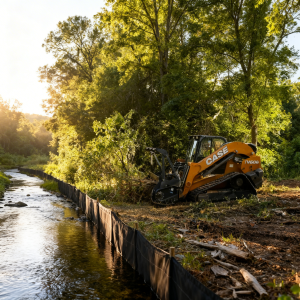
  • Planning erosion control measures


Drainage planning must happen before building begins.

Challenge #2_ Unstable Soil Conditions (1)

Share:

More Posts

Send Us A Message

Challenge #4: Dense Vegetation and Heavy Growth

Land clearance varies significantly. A sparsely overgrown field differs greatly from dense woodland filled with hardwood trees.

Dense vegetation increases:

  • Labor time
  • Fuel use
  • Equipment wear
  • Total project cost


Professional crews evaluate density before quoting the job.

Common equipment choices include:

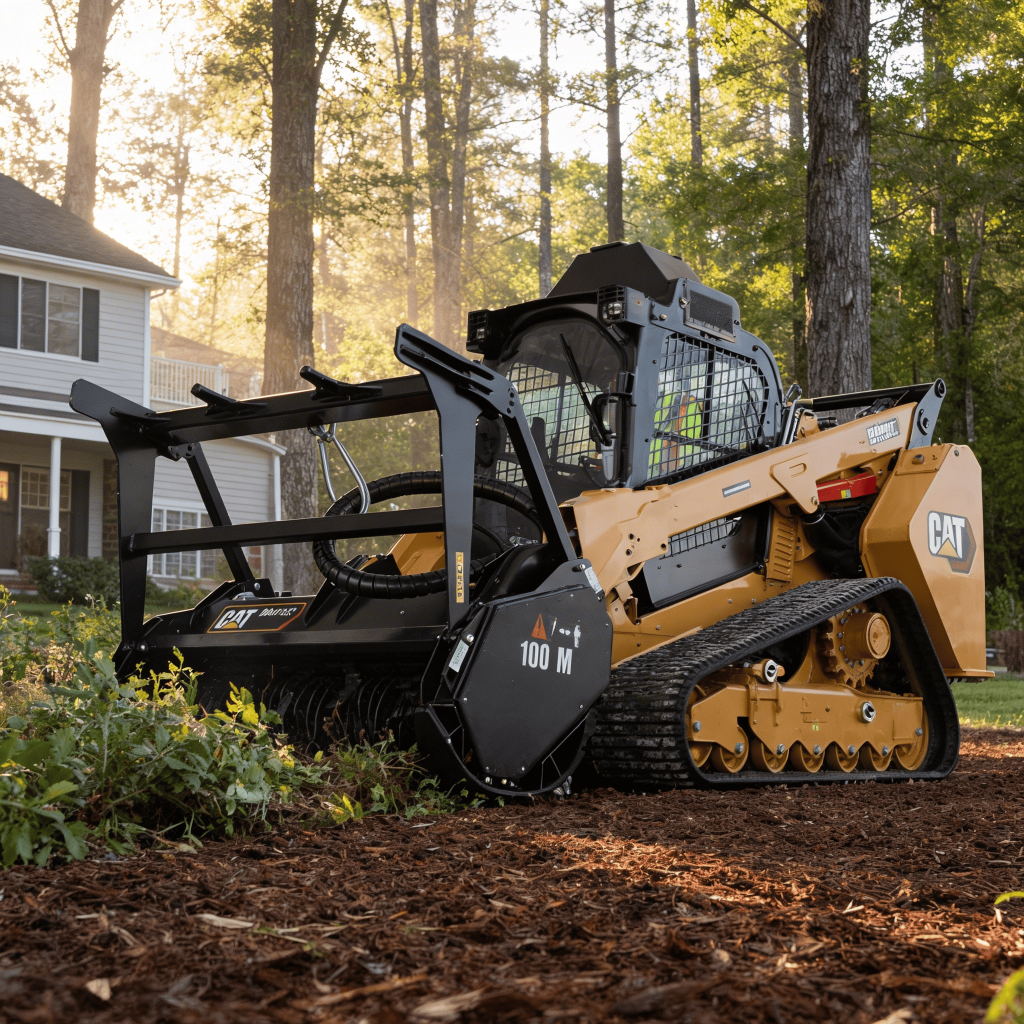
  • Forestry mulchers for brush and small trees
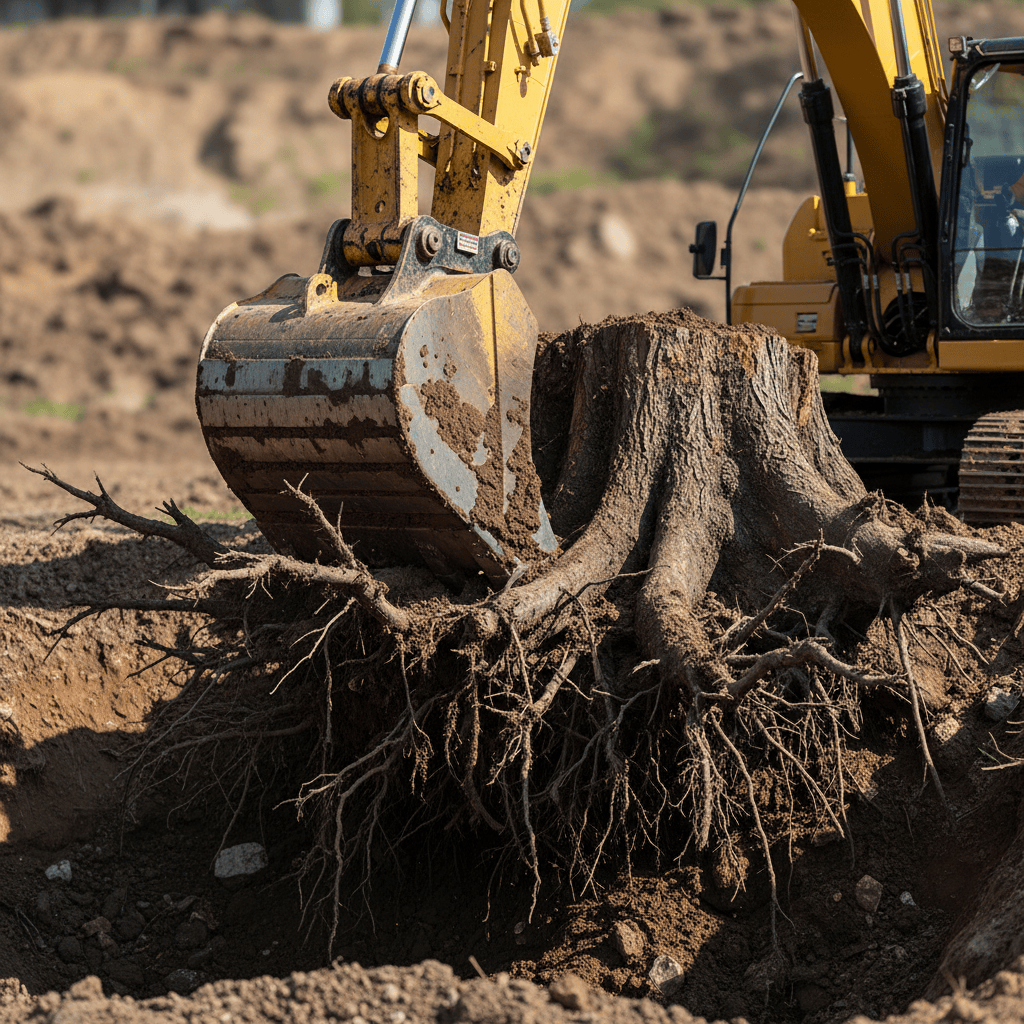
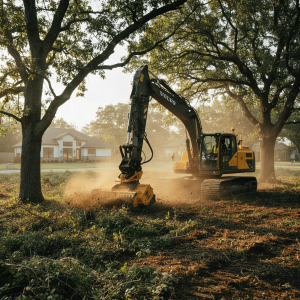
  • Excavators for large trees and root removal
  • Bulldozers for pushing and piling material


Vegetation density is one of the most significant pricing variables, even on the same acreage.

Challenge #5: Limited Access for Equipment

Some lots are hard to reach with heavy machinery.

Access problems may include:

  • Narrow driveways
  • Steep slopesSoft ground
  • Nearby structures or fences

Limited access can require:

  • Smaller equipment
  • More manual work
  • Longer project timelines


It may also raise transportation expenses, as specialized delivery may be required. Expert contractors plan equipment staging and access routes in advance, even before beginning the work.

land clearing costs usa check today

Challenge #6: Cost of Equipment and Rentals

Numerous clearing tasks rely on heavy machinery. 

For example, site prep might call for:

  • Excavators
  • skid steers
  • bulldozers
  • dump trucks
  • root rakes

If contractors choose to use rental equipment, the price must cover:

  • daily rental rates
  • delivery and pickup fees
  • fuel costs
  • operator labor


This is particularly the case for time properties. That is the main reason the pricing for site prep varies substantially by region and job.

Contact us today!

We would love to speak with you.
Feel free to reach out using the below details.

Challenge #7: Unexpected Obstacles Underground

Some of the most complex problems are the ones you cannot see.

Hidden obstacles may include:

  • Buried concrete
  • Old septic systems
  • Large rocks
  • Deep root networks
  • Trash or debris piles


These issues frequently manifest only after the commencement of clearing activities. Professional estimates typically include a contingency allowance for unforeseen expenses, as it is common to encounter unexpected costs during site operations preparation.

Challenge #8: Permits and Local Regulations

Land clearing is usually regulated. 

Depending on the area, permits may be necessary for:

  • removing trees
  • clearing near a wetland
  • burning of debris
  • grading and drainage works

Counties, cities, and states all have different sets of rules.  


Not complying with permit requirements can result in:

  • Fines
  • Stop-work orders
  • Delay of the project


Professional contractors play a very important role in helping landowners figure out what kind of permits may be required before any machinery arrives

Challenge #9: Weather Delays

Weather conditions significantly influence nearly all clearing projects.

Heavy rain can cause:

  • Muddy conditions
  • Equipment getting stuck
  • Soil compaction issues
  • Erosion risks


Dry seasons may heighten fire risks if burning is scheduled. Site preparation timelines should consistently incorporate flexibility to accommodate weather variations.

How Professionals Overcome Site Preparation Challenges

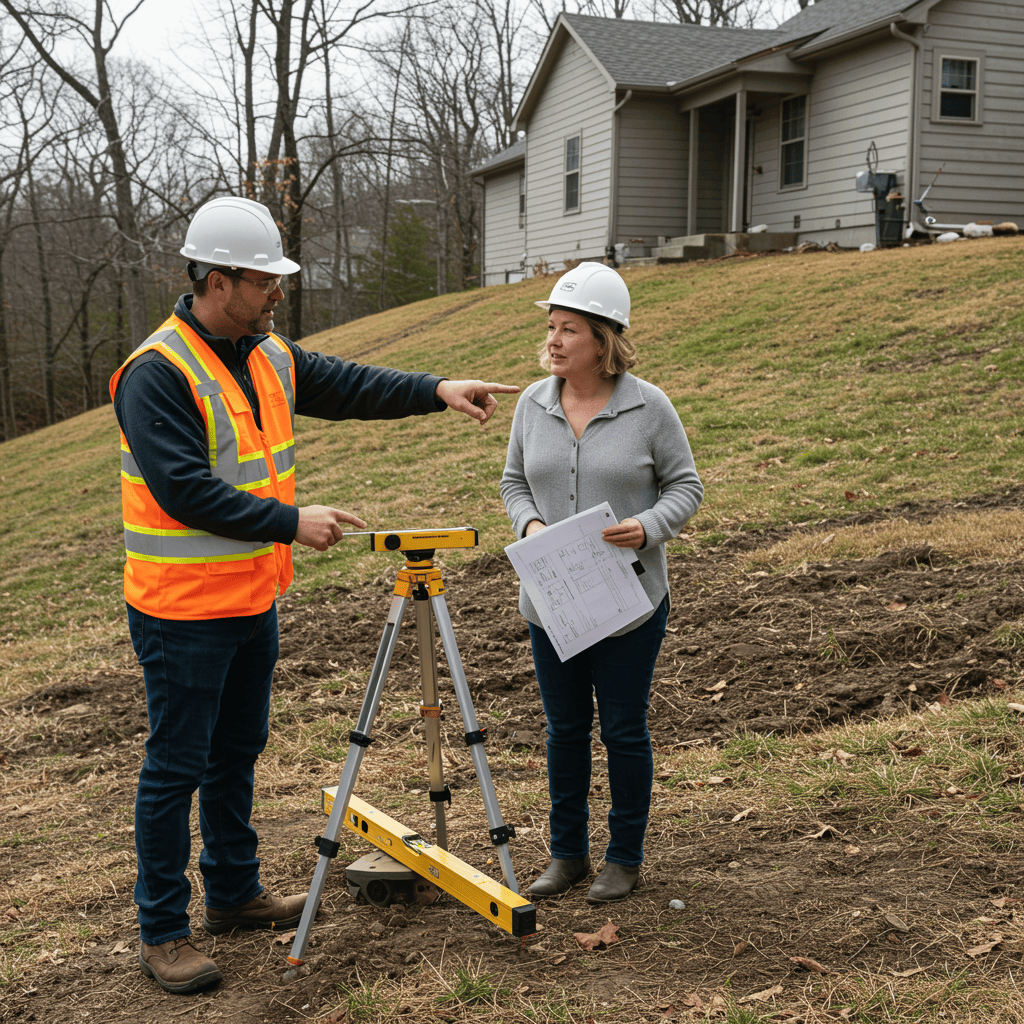
The most effective way to manage site preparation challenges is to have experience and proper planning.

A professional team can successfully climb the ladder of:

  • Inspecting the property before quoting
  • Choosing the right equipment
  • Planning debris disposal early
  • Addressing drainage before construction
  • Protecting soil with proper grading
  • Preparing for unexpected obstacles


Site preparation is a systematic process, and it should not be conducted based on assumptions.

Final Thoughts

Site preparation challenges are common because land is never identical from one property to the next. Soil, vegetation, debris, drainage, permits, and access all shape the project.

The key is not avoiding challenges, but handling them correctly from the start. Professional land clearing and site preparation create a stable, safe foundation for everything that comes next. When done properly, it prevents delays, controls costs, and protects the long-term success of the build.

Join Our Newsletter

INFORMATION

© 2026 LandClearingCosts.com - All rights reserved