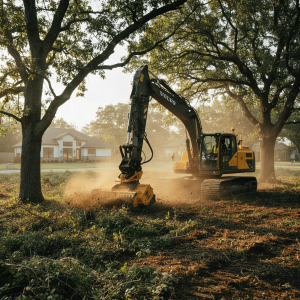
The Science of Mulching: Protecting Topsoil

Benefits of Forestry Mulching for Healthy Land

Forestry mulching is often seen as a fast way to clear brush and small trees. But its real value goes beyond land clearing.

Mulching is also one of the most effective ways to protect topsoil.

When land is cleared the wrong way, soil can be damaged for years. Erosion, runoff, compaction, and loss of nutrients can turn a usable property into a long-term problem.

Forestry mulching provides an alternative method of doing things. It is a way to remove vegetation, and at the same time, the ground is left covered, stable, and protected.

In this write-up, we discuss the advantages of forestry mulching, how it helps soil conservation, and why mulch is an essential part of the responsible land clearing process.

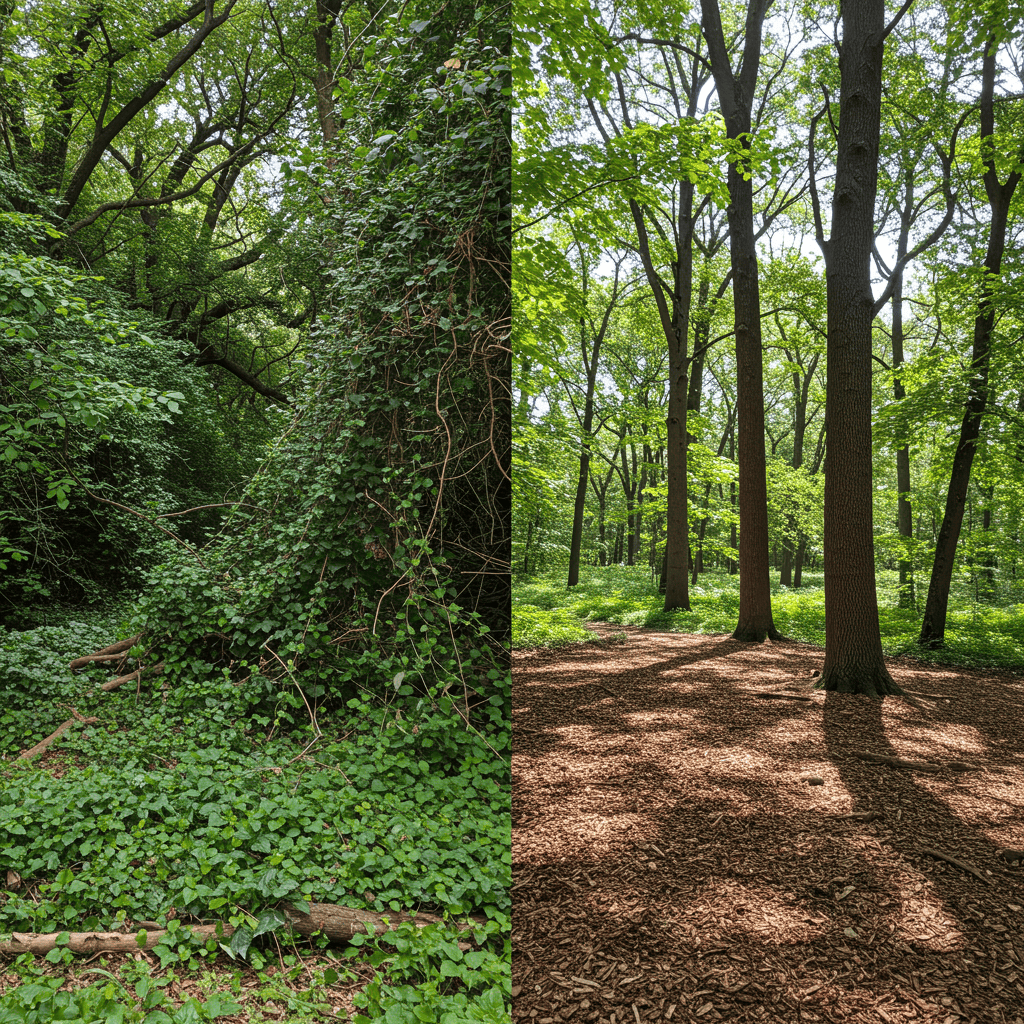
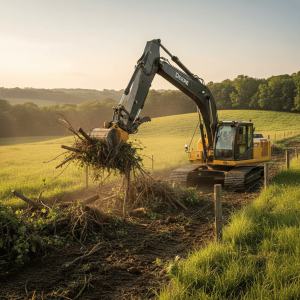
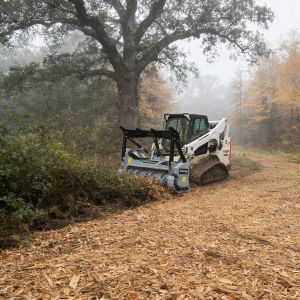
Forestry mulching is a technique used to clear land by chopping up trees, scrub, and ground cover into fine wood chips.

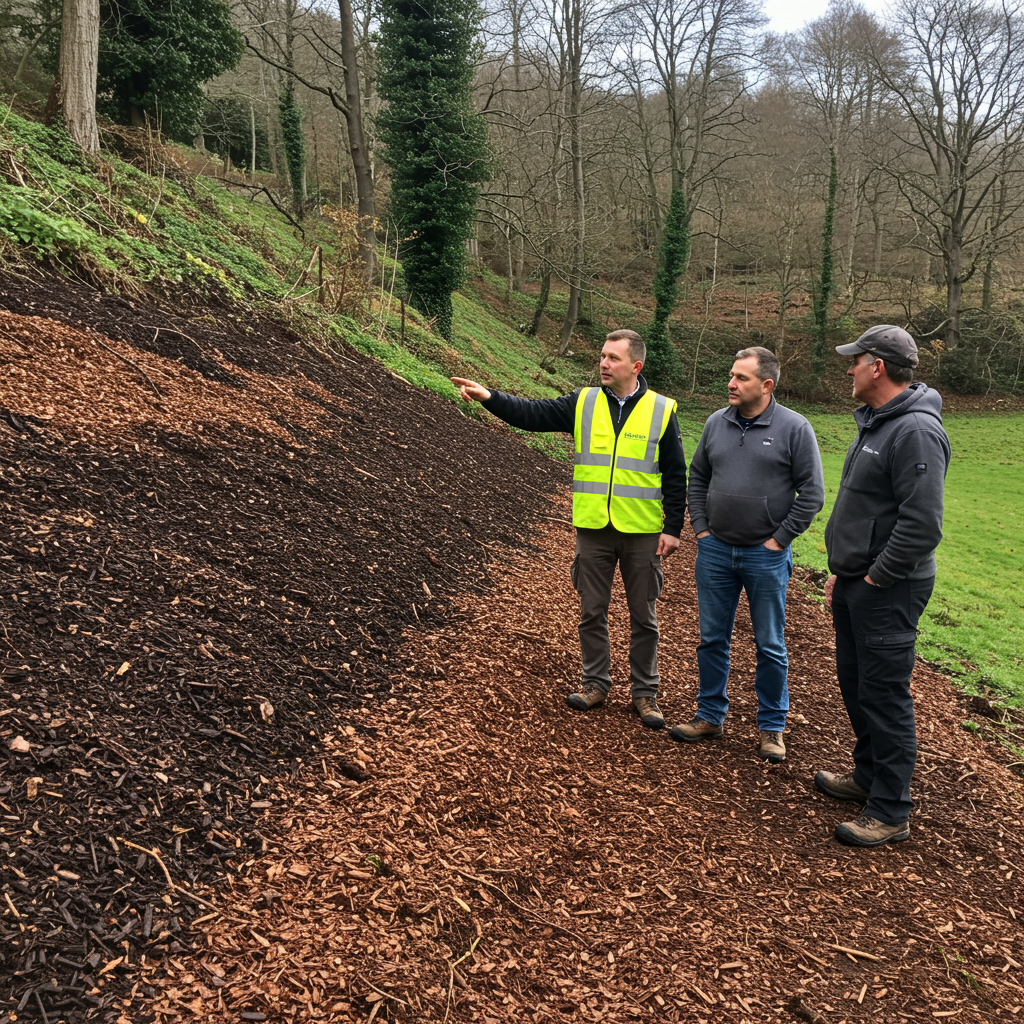
Rather than removing the debris or burning it in heaps, the material is subjected to on-site processing and left as a layer of mulch.

Forestry mulching is often used for:

  • Lot clearing
  • Underbrush removal
  • Trail and access clearing
  • Fire break creation
  • Pasture reclamation
  • Property line maintenance

Because the debris stays on the ground as mulch, the soil benefits immediately.

Why Topsoil Protection Matters During Land Clearing

Topsoil is the most valuable layer of the ground.

It facilitates:

  • Drainage and water absorption
  • Plant growth
  • Soil structure
  • Long-term stability
  • Healthy land recovery after clearing

When land clearing takes away all vegetation and leaves bare ground, topsoil gets exposed.


Soil without any protection can:

  • Be washed away by storms
  • Be dried up very fast by heat
  • Lose nutrients and organic matter
  • Be compacted by machinery

Forestry mulching acts as a surface cover that helps to lower the chances of such incidents.

The Science of Mulching_ Protecting Topsoil (1)
Why Topsoil Protection Matters During Land Clearing (1)

Benefits of Forestry Mulching for Soil Health

Mulching is not just cleanup. It is a soil-friendly land clearing option.

  • Less soil erosion
  • Increased water retention in soil
  • Organic nutrients recycling
  • Decreased surface water and sediment loss
  • Elimination of burning or hauling with cleaner sites


Mulching removes trees and other vegetation but it helps the soil at the same time rather than damaging it.

Benefits of Forestry Mulching for Soil Health (1)

How Does Mulching Help Maintain Soil?

Mulching helps soil by acting as a protective blanket.

A mulch layer supports soil health in several ways:

Moisture Control

Mulch slows evaporation. This helps soil stay damp longer, especially in dry seasons.


Temperature Balance

Mulch keeps soil cooler in summer and reduces freezing stress in winter.


Organic Matter Return

As mulch breaks down, it adds nutrients back into the soil naturally.


Reduced Soil Disturbance

Mulching avoids heavy digging and large-scale soil disruption.


This is why forestry mulching is often preferred for landowners who want clearing without damaging the land.

How Is Mulching a Method of Soil Conservation?

Soil conservation means preventing soil loss and maintaining long-term ground quality.

Mulching supports conservation by:

  • Protecting the surface from wind and rain
  • Reducing erosion on slopes
  • Slowing water runof
  • Holding soil in place with organic cover
  • Supporting healthy regrowth where desired


Bare soil is fragile, while mulched soil stays more stable and usable.

Forestry mulching is one of the few clearing methods that removes vegetation while still conserving soil.

How Is Mulching a Method of Soil Conservation_

Share:

More Posts

Send Us A Message

What Is the Main Purpose of Mulching on the Surface of the Soil?

The main purpose of mulch is protection.

Mulch on soil surface helps:

  • Protect the topsoil from being washed away
  • Decrease weed regrowth
  • Increase water absorption
  • Stop soil from crusting and drying
  • Provide healthier conditions for the ground 


In addition to the benefits mentioned above, the mulch layer in forestry mulching also diminishes the need for hauling or burning debris.

That makes it both practical and environmentally responsible.

Does Mulching Prevent Soil Pollution?

Mulching can help reduce soil pollution in several ways.

Forestry mulching prevents some common clearing-related issues:

Less Burning

Burning releases smoke, ash, and carbon into the air. Mulching avoids that.

Less Hauling and Dumping

Hauling debris away increases transport emissions and disposal impacts.


Reduced Runoff

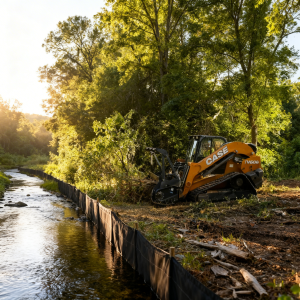
Exposed soil without vegetation is a major cause of runoff carrying soil particles into waterways.


Mull helps to purify the water and hold the soil, thus decreasing the release of sediment.


It is known that mulching alone cannot completely remove the environmental hazards; it is usually a more environmentally friendly option than burning or total removal of timber.

land clearing costs usa check today

Mulching vs Conventional Land Clearing Methods

Forestry mulching is unique as it achieves soil protection and clearing in a single step.

Traditional Mechanical Clearing

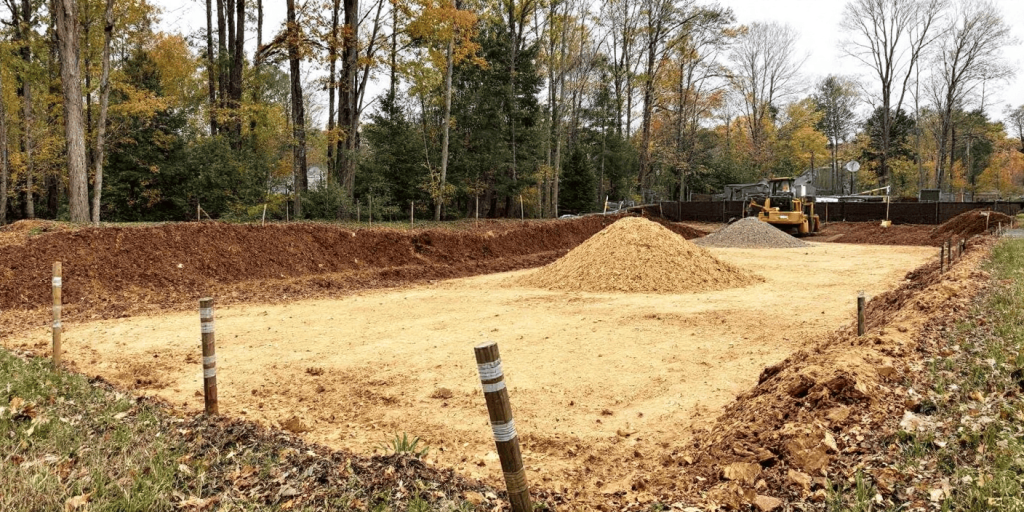
This method has the vegetation being pushed into heaps, the roots taken out, and the soil left bare.

Hence it may cause:

  • Erosion
  • Soil compaction
  • More waste disposal if necessary

Burning

Burning may be the cheaper option sometimes but that is determined by local regulations and the situation on the ground.

It can also:

  • Strip the soil of its nutrients
  • Raise the risk of fire
  • Lead to complaints about the smoke

Forestry Mulching

Mulching removes the vegetation but the organic matter remains at the surface.

That is the main reason why a lot of landowners opt for it to sustain the land in the long run.

Contact us today!

We would love to speak with you.
Feel free to reach out using the below details.

When Forestry Mulching Works Best

In many projects, mulching is combined with excavator work for full site preparation.

Mulching is ideal for:

  • Brush-heavy lots
  • Small to medium trees
  • Fire prevention clearing
  • Property maintenance
  • Environmentally sensitive areas

It may not be enough for:

  • Large hardwood removal
  • Deep stump extraction
  • Heavy grading needs

Cost Factors and Real-World Planning

Forestry mulching costs vary by location and site conditions.

Pricing depends on:

  • Vegetation density
  • Tree size
  • Terrain and slope
  • Equipment access
  • Fuel and labor rates
  • Total acreage

Mulching is often cost-effective because it reduces debris hauling and disposal fees.

The biggest savings usually come from keeping material on-site instead of transporting it away.

Final Thoughts

Forestry mulching is more than a clearing method. It is a soil-protective approach to land improvement.

Forestry mulching has the benefits of:

  • Covering
  • Decreasing soil erosion 
  • Deepening water retention 
  • Allowing soil to stay healthy in the long run 
  • Preventing burning and heavy debris hauling

Mulching offers a solution to the landowners when they need to efficiently get rid of the unwanted vegetation without disturbing the fertility of the soil.

It is a wise decision to refrain from the temptation of clearing the land very fast. Indeed, it is a cheaper, less wasteful, and more neighbor-friendly method of doing your land.

When it comes to land clearing, you cannot be more environmentally friendly than forestry mulching.

Join Our Newsletter

INFORMATION

© 2026 LandClearingCosts.com - All rights reserved