Sustainable Site Prep: Long-Term Soil Health

Land development does not have to damage the environment.

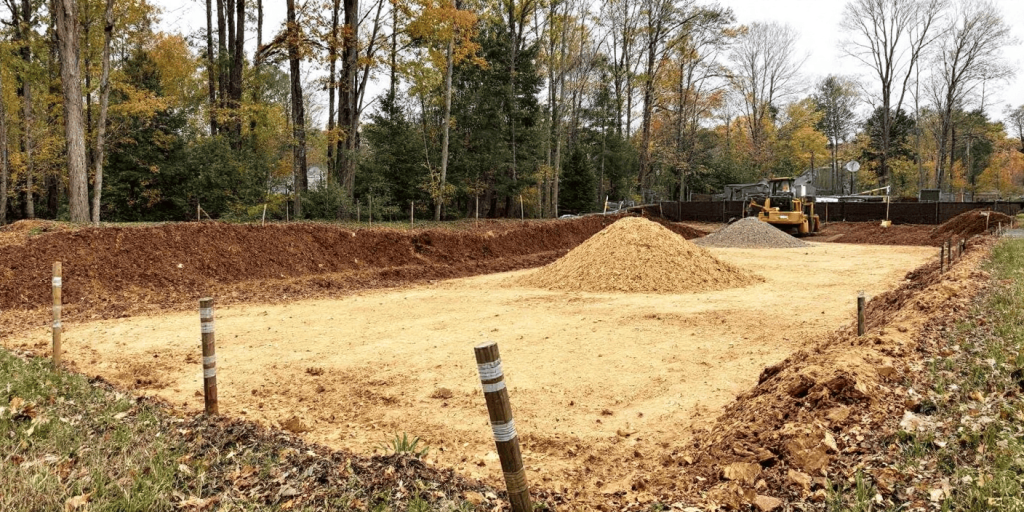
The best projects today balance progress with responsible land care. Sustainable land clearing is about preparing property while protecting the soil that supports everything built on top of it.

Soil health is not just an agriculture issue. It affects drainage, foundation strength, erosion, and long-term land stability.

If you plan to build, farm, or improve property, understanding soil-friendly site preparation is one of the smartest steps you can take.

Why Soil Health is Important in Site Preparation

Soil is not just dirt. It is a living system that supports:

  • structural stability
  • proper drainage
  • erosion control
  • plant growth
  • long-term land usability

Negative impacts of improper clearing include impacts to the soil that might not be evident immediately but can last for years.


Improper soil management during clearing can cause:

  • compaction
  • failure of drainage
  • topsoil loss
  • long-term maintenance issues

A successful site starts with a healthy soil foundation.

Sustainable Site Prep_ Long-Term Soil Health

Why Soil Improvement Supports Long-Term Sustainability

Soil improvement helps land stay stable long after clearing is finished.

Without soil care:

  • Water cannot soak in properly
  • Erosion removes nutrient-rich topsoil
  • Poor drainage leads to flooding
  • Foundations may settle unevenly


Sustainable site prep protects land not just for today, but for decades.

What Is Sustainable Land Clearing?

Sustainable land clearing refers to the practice of land preparation with minimum damage to the soil and the surrounding ecosystems.

The main objectives are:

  • Minimizing soil disturbance
  • Saving topsoil as much as possible
  • Properly handling debris
  • Keeping erosion and runoff to a minimum
  • Selecting the right equipment for the site


Sustainable clearing is not about doing less work. It is about doing it in a way that is more efficient.

The Link Between Site Prep and Soil Health Over Time

Improper clearing methods can:

  • Remove topsoil
  • Interfere with natural drainage
  • Lead to erosion
  • Bring down soil fertility
  • Result in unstable building conditions


Sustainable land clearing is essentially a way to preserve the land’s natural functioning while at the same time preparing it for development.

The Link Between Site Prep and Soil Health Over Time

Share:

More Posts

Send Us A Message

The 4 Rs of Soil Health in Site Preparation

Many contractors follow four core principles when protecting soil:

  1. Reduce

Limit heavy equipment passes and avoid unnecessary disturbance.

  1. Retain

Keep topsoil and organic material on-site when possible.

  1. Restore

Improve soil structure through grading, mulching, or soil amendments.

  1. Replenish

Add organic matter or nutrients when land will support vegetation later.

These steps help land stay strong and usable long after clearing.

Key Signs of Healthy Soil After Clearing

Healthy soil can be measured by real conditions, not guesswork.

Some key indicators are quite obvious, such as:

  • The water easily drains away and the soil absorbs the water well
  • Stable soil structure
  • Erosion is kept to a minimum
  • Mainly organic matter in the top layer of soil
  • The soil is capable of supporting grass or other vegetation

Keeping an eye on these changes helps to make sure that the ground was properly conditioned.

What Does Sustainable Soil Management Entail?

Sustainable soil management is essentially a commitment to taking good care of the soil not only during the deforestation stage but also after.

It covers:

  • Proper ways of land clearing
  • Erosion prevention
  • Long-term drainage planning 

Soil must remain stable through the full life of the property.


How Clearing Methods Affect Soil Health

Not all land clearing methods have the same impact.

  1. Forestry Mulching

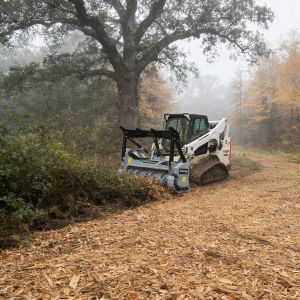
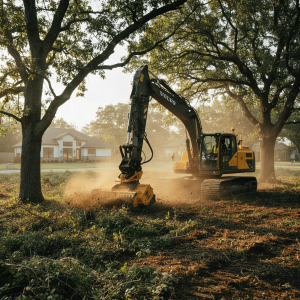
Forestry mulching turns vegetation into mulch that stays on-site.

This helps by:

  • Protecting the soil surface
  • Reducing erosion
  • Improving moisture retention
  • Returning organic material to the ground

Mulching is one of the most soil-friendly clearing options.


2. Selective Clearing

Selective clearing removes unwanted growth while leaving some vegetation in place.

Benefits include:

  • Preserving root systems
  • Supporting natural drainage
  • Reducing total disturbance


This is often used on sensitive land or residential lots.

land clearing costs usa check today

Traditional Mechanical Clearing Risks

Heavy dozing and full removal can cause:

  • Nutrient loss
  • Increased runoff
  • Higher erosion risk
  • Damage to soil organisms


These methods may still be needed for large projects, but they require careful planning.

Equipment Matters in Sustainable Site Prep

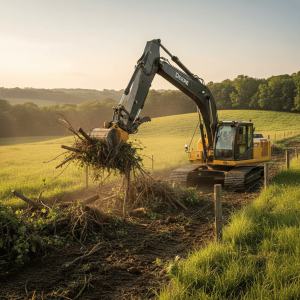
Modern land clearing equipment has the potential to cause less damage to the soil if it is used properly.

Low, impact machines contribute to the environment by:

  • Reducing compaction 
  • Minimizing surface disruption 
  • Improving precision during clearing 


While operator experience is equally as important as the machine, however good the equipment in the hands of the wrong operator will still produce poor results.

Erosion Control Is Essential for Sustainability

One of the biggest post, clearing dangers is erosion.

Sustainable site prep involves:

  • Proper grading 
  • Mulch or ground cover 
  • Drainage management 
  • Runoff Control systems 


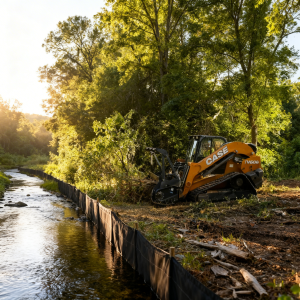
Preventing soil erosion is a great way of safeguarding your property as well as the adjacent lands.

Contact us today!

We would love to speak with you.
Feel free to reach out using the below details.

Residential Benefits of Sustainable Clearing

Homeowners can expect the following benefits from environmentally friendly site preparation:

  • Improved water drainage near the basement or footings
  • Greater reliability over time
  • Scarcity of problems related to the landscaping
  • Yards that are cleaner and safer

Living in a neighborhood with a healthy soil and vegetation generally makes residential property less work to keep in good condition.

Commercial Benefits of Sustainable Clearing

Commercial ventures stand to gain:

  • Soil as a base that can carry a heavier load
  • Speedier approvals by conforming with the environmental regulations
  • Decreased costs of erosion risk on large sites


Long-Term Cost Savings of Sustainable Practices

Sustainable land clearing may take more planning upfront, but it often reduces future expenses.

It helps prevent:

  • Costly erosion repairs
  • Drainage failures
  • Foundation movement
  • Re-clearing due to regrowth


Healthy soil lowers long-term risk.

Environmental and Community Impact

Sustainable site preparation benefits more than just the landowner.

It helps:

  • Protect waterways
  • Preserve habitats
  • Reduce sediment runoff
  • Support local ecosystems


Responsible clearing improves both the property and the surrounding area.

Choosing a Contractor for Sustainable Results

Not every contractor focuses on soil health.

Look for teams that:

  • Understand grading and drainage
  • Use modern, low-impact equipment
  • Prioritize erosion control
  • Explain debris handling clearly
  • Communicate methods upfront


Getting the right contractor can really change the game.

Final Thoughts

Soil health is the hidden basis of any thriving land project.

Environmentally friendly land clearing practices maintain the soil integrity while also making it ready for construction, farming, or other uses.

When landowners enhance the soil instead of ruining it, they make land that is:

  • more stable
  • more usable
  • easier to maintain
  • better for the environment


Sustainable site preparation is more than just being responsible. It is wise land management.

Join Our Newsletter

INFORMATION

© 2026 LandClearingCosts.com - All rights reserved