From Raw Land to Construction Ready Timeline

Every construction project starts long before concrete is poured or framing begins.

It begins with undeveloped land. While the exterior may appear ready, there are often hidden challenges beneath the surface, such as roots, drainage issues, uneven ground, and other unknown conditions. Establishing a clear site preparation timeline assists property owners in staying on schedule, managing costs, and preventing significant setbacks.

Whether you are building a home, starting a commercial project, or preparing land for future use, site prep is the first real step toward success.


This guide explains each phase of the process, from untouched land to a construction-ready site.

What Is the Timeline of a Construction Project?

A construction timeline is the step-by-step sequence that moves a project from planning to completion.

Most projects follow this basic order:

  • Planning and design
  • Permits and approvals
  • Site preparation
  • Construction
  • Final inspections and completion


The site preparation timeline is one of the most important parts because everything after it depends on the ground being stable, safe, and ready.

From Raw Land to Construction Ready Timeline (1)

Why Site Preparation Supports the Entire Project

Site prep is not just land clearing.

It is the work that makes land buildable.

Poor site preparation can lead to:

  • Foundation cracking
  • Drainage failures
  • Inspection delays
  • Expensive corrections later


When done correctly, site prep helps every phase of construction move faster and with fewer surprises.

From Raw Land to Build-Ready_ Step-by-Step Site Preparation Timeline (1)

From Raw Land to Build-Ready: Step-by-Step Site Preparation Timeline

Phase 1: Planning, Permits, and Site Evaluation

Before any equipment arrives, the project starts with evaluation.

This phase may include:

  • Land surveys
  • Soil testing
  • Drainage review
  • Environmental checks
  • Permit applications

This is where contractors and engineers decide what the land needs before clearing begins.

Timeline: Several days to a few weeks, depending on regulations and property size.

Skipping this stage often creates bigger delays later.


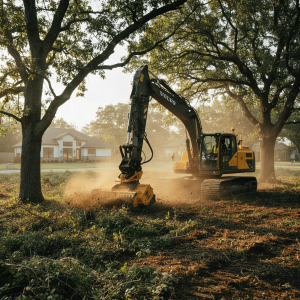
Phase 2: Land Clearing and Vegetation Removal

This is the stage where visible progress begins.

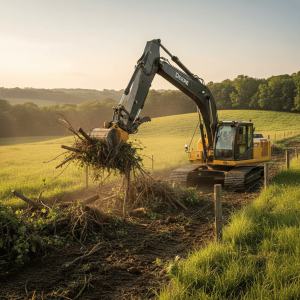
Land clearing removes:

  • Trees
  • Brush and undergrowth
  • Stumps and roots
  • Organic debris

The clearing method affects both cost and timeline.

Common choices are:

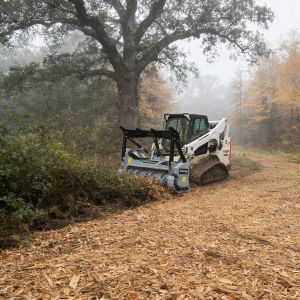
  • Forestry mulching for smaller growth
  • Mechanical clearing for heavy tree coverage
  • Selective clearing when some trees remain

Timeline: A few days for small residential lots. Large commercial sites may require several weeks.


Phase 3: Debris Handling and Disposal

Clearing creates debris, and debris must be cleaned up thoroughly.

One can:

  • Mulching vegetation on-site
  • Hauling debris away
  • Burning, where allowed

Debris handling is an issue that is often overlooked, but it greatly affects safety and the readiness of a site.

If piles of material are left blocking the way, the site is at a standstill.

Timeline: Normally, it overlaps with clearing; however, it can add a couple of days.


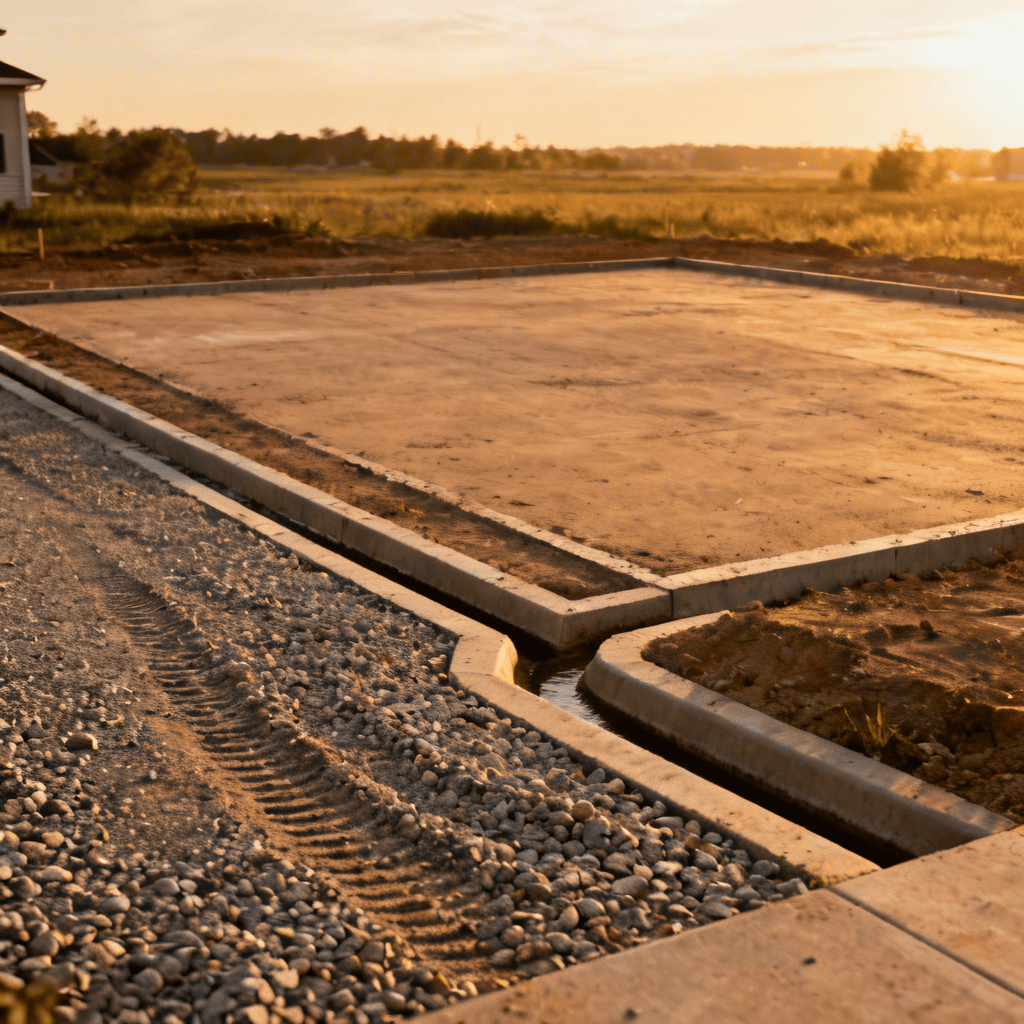
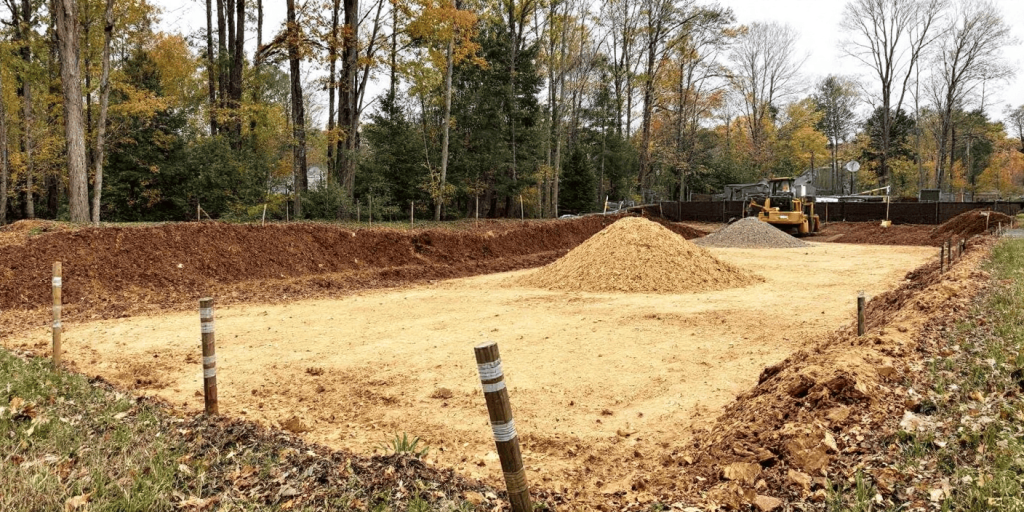
Phase 4: Grading and Earthwork

Grading is that which makes cleared land a functional construction site.

This phase consists of:

  • Leveling uneven ground
  • Shaping slopes for drainage
  • Building up house pads or road bases
  • Preparing the footprint of the structure

Grading is also the phase where many drainage problems are avoided.

Timeline: A few days up to a few weeks, depending on the terrain and weather.


Phase 5: Soil Compaction and Stabilization

Soil needs to be compacted once grading has been finished.

The main reasons for compaction are to:

  • Prevent settling
  • Reduce soil movement
  • Avoid foundation shifting
  • Minimize erosion issues

Even ground that appears to be solid can collapse if it is not properly stabilized.

Timeline: Usually a few days, but longer if soil conditions are poor.


Phase 6: Utility Preparation and Site Access

Before construction begins, the site must support equipment and infrastructure.

This stage can comprise:

  • Temporary driveways or access roads
  • Utility trenching
  • Drainage pipe installation
  • Staging areas for materials

It is a must step if the project is either a house or a business.

Timeline: Can be completely different depending on the utility requirements and the site layout.


Phase 7: Last Examination and Construction Readiness

The last stage is verifying that the location is compliant with all the requirements.

Such a stage may include:

  • Code inspections
  • Drainage checks
  • Final grading adjustments
  • Permit sign-offs

After the approval, the site is officially prepared for laying the foundation.

Timeline: Usually a couple of days, dependent on inspection schedules.

What Are the 7 Steps in the Building Process?

Site preparation fits into the larger construction process.

The seven common steps are:

  1. Planning and design
  2. Permits and approvals
  3. Site preparation
  4. Foundation work
  5. Structural construction
  6. Interior and exterior finishing
  7. Final inspection and occupancy


Site prep is the bridge between planning and physical building.

What Are the 5 Stages of Construction Projects_ (1)

Share:

More Posts

Send Us A Message

What Are the 5 Stages of Construction Projects?

Many professionals group construction into five major stages:

  1. Initiation
  2. Planning
  3. Execution
  4. Monitoring
  5. Completion


Site preparation is part of execution, but it affects every other stage.

How Long Does Site Preparation Usually Take?

There is no definitive answer, but the timelines depend on:

  • Size of the property
  • Density of vegetation
  • Difficulty of the terrain
  • Permit requirements
  • Weather conditions
  • Need for Debris Disposal

The prep work for a small residential site may take 1 to 2 weeks.


On the other hand, large commercial projects can take several months.

How to Build a Site Preparation Timeline

A good timetable clearly separates the work into different stages.

To be efficient in planning:

  • Break down the project into different steps
  • Give each step a realistic time frame
  • Don’t forget to add time for permits and inspections
  • Allocate extra time for weather, related delays
  • Hire contractors in advance


A detailed site preparation timeline is a great tool for predicting the rest of the construction.

land clearing costs usa check today

Common Delays That Affect Site Prep

Even well-planned projects can face setbacks.

Common causes include:

  • Permit processing delays
  • Unexpected soil problems
  • Heavy rain or muddy access
  • Hidden roots, rocks, or wetlands
  • Limited equipment access

Working with experienced contractors reduces these risks.

Contact us today!

We would love to speak with you.
Feel free to reach out using the below details.

Residential vs Commercial Site Preparation Timelines

When clearing is done incorrectly, the issues often show up after the job is “finished.”

Residential projects usually:

  • Use less land area
  • Have less red tape
  • Complete quicker

Commercial projects would generally:

  • Undergo environmental reviews
  • Be easier to use larger equipment
  • Need more detailed inspections
  • Have more complex logistics

Realistic planning helps both.

Why Rushing Site Prep Always Costs More 

Attempting to work quickly and bypass procedures normally results in:

  • Failed inspections
  • Drainage problems
  • Structural issues

Final Thoughts

Turning raw land into a construction-ready site is not one job. It is a series of phases that must happen in the right order.

A clear site preparation timeline helps property owners:

  • Avoid delays
  • Budget accurately
  • Reduce risk
  • Build on stable ground

From permits and clearing to grading and inspections, every step matters.

When site preparation is done right, construction becomes smoother, faster, and far more predictable.

Join Our Newsletter

INFORMATION

© 2026 LandClearingCosts.com - All rights reserved