Site Prep & Development: New Construction

Every successful construction project starts long before concrete is poured or walls go up.

The real starting point is the land itself.

For residential new construction, land clearing is the first and most critical step in site preparation and development. Before grading, utilities, or foundations can be planned, the land must be cleared correctly. When clearing is done right, everything that follows becomes more predictable. When it is done poorly, problems surface for years.

Site preparation and development determine how safely, efficiently, and affordably a project moves forward. They are not cosmetic steps. They are structural decisions made before the build even begins.


This article explains how land clearing fits into residential site prep and development, what happens after clearing, and why professional execution matters for new construction.

What Site Preparation Really Means for New Construction

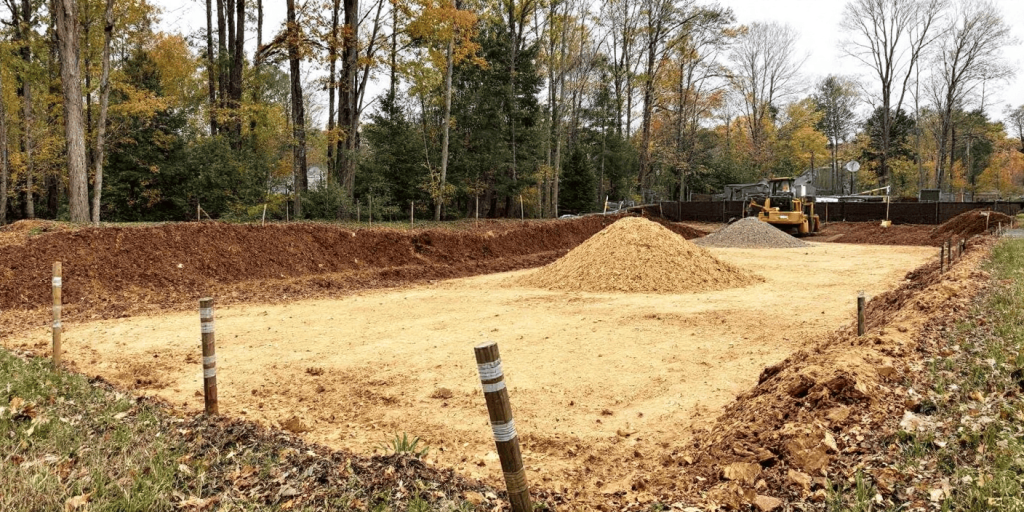
Site preparation is the process of turning raw land into a build-ready surface.

However, site preparation cannot begin until land clearing is complete.

Raw land often contains:

  • Trees and brush
  • Buried stumps and roots
  • Organic debris
  • Uneven terrain
  • Hidden drainage problems

Until these are addressed, no accurate grading, compaction, or foundation planning can occur.

Residential site preparation typically includes:

  • Professional land clearing
  • Stump and root removal
  • Rough grading and leveling
  • Drainage planning
  • Access creation for construction equipment


Skipping or rushing any of these steps creates long-term risk.

What Site Preparation Really Means for New Construction
Why Land Clearing Is the Foundation of Site Prep

Why Land Clearing Is the Foundation of Site Prep

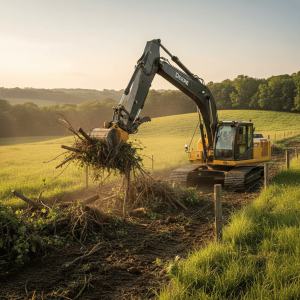
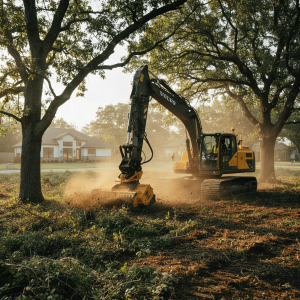
Land clearing is not just cutting trees.

It is the controlled removal of vegetation, roots, and debris so the land can be evaluated and shaped correctly.

Proper land clearing is horseback for contractors to:

  • Discover the real shape of the land
  • Locate drainage channels
  • Get to the soil conditions
  • Make accurate grade plans
  • Stay away from buried obstacles


Attempting to get a site ready without proper clearing is basically fooling oneself. Fooling oneself is paving the way to failure.

What Happens During Land Clearing for New Construction
Site Development Comes After Clearing

What Happens During Land Clearing for New Construction

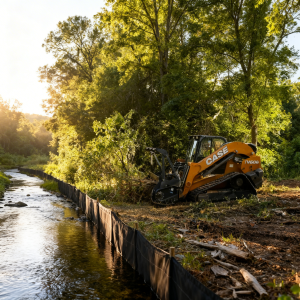
Residential land clearing for construction mainly aims at creating a neat and easily manageable surface without harming the neighboring areas.

Tree and Brush Removal

Trees are cut down according to the building footprint, the need for access, and security issues.

Stump and Root Removal

It’s possible that roots left in the ground will decay and thus cause the soil to sink.

For building sites, stumps are usually removed or excavated.

Material Handling

Proper management of the cleared material is essential. It is a major factor in determining the overall costs. 


The material can be:

  • Piled and burned if allowed
  • Hauled to a different location
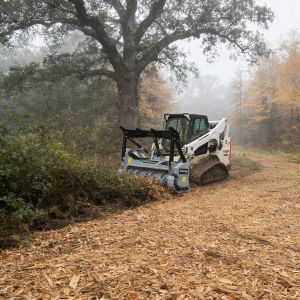
  • Chipped for use in non-structural areas


Each method of disposing of material has an impact on the cost, time needed, and conditions of the site in the future.

Site Development Comes After Clearing

Once land clearing is complete, site development can begin.

Site development turns cleared land into a functional construction site.

This phase connects the land to the future home.

Site development typically includes:

  • Final grading
  • Utility installation
  • Driveway and access construction
  • Drainage systems
  • Code and zoning compliance

In simple terms:

  • Land clearing removes obstacles
  • Site preparation shapes the ground
  • Site development makes the property usable


Each step depends on the one before it.

Share:

More Posts

Send Us A Message

Why Residential Site Preparation Is Different

Residential construction places different demands on land than commercial projects.

Homes must support:

  • Long-term living
  • Landscaping and outdoor use
  • Drainage near living spaces
  • Safety for families

Professional residential site preparation ensures:

  • Stable soil for foundations
  • Proper water flow away from the home
  • Safe access during construction
  • Compliance with residential codes

A home may look fine at completion, but poor preparation shows up years later as cracks, water issues, and settlement.

Where Site Prep Fits in the Construction Process

Understanding the construction sequence shows why clearing and preparation are non-negotiable.

The common stages of construction include:

  1. Planning and design
  2. Land clearing and site preparation
  3. Foundation installation
  4. Framing
  5. Exterior construction
  6. Interior systems and finishes
  7. Final inspection and occupancy


Everything after Stage 2 relies on the quality of clearing and preparation.

Step-by-Step: Residential Site Prep After Land Clearing

While each property is different, most residential site prep follows a clear sequence.

  1. Site Evaluation

After a contractor completes clearing, they typically assess the soil, slopes, and drainage patterns.

  1. Rough Grading

A ground is molded by contractors to the plan height specification, and also proper drainage is ensured by the measures taken.

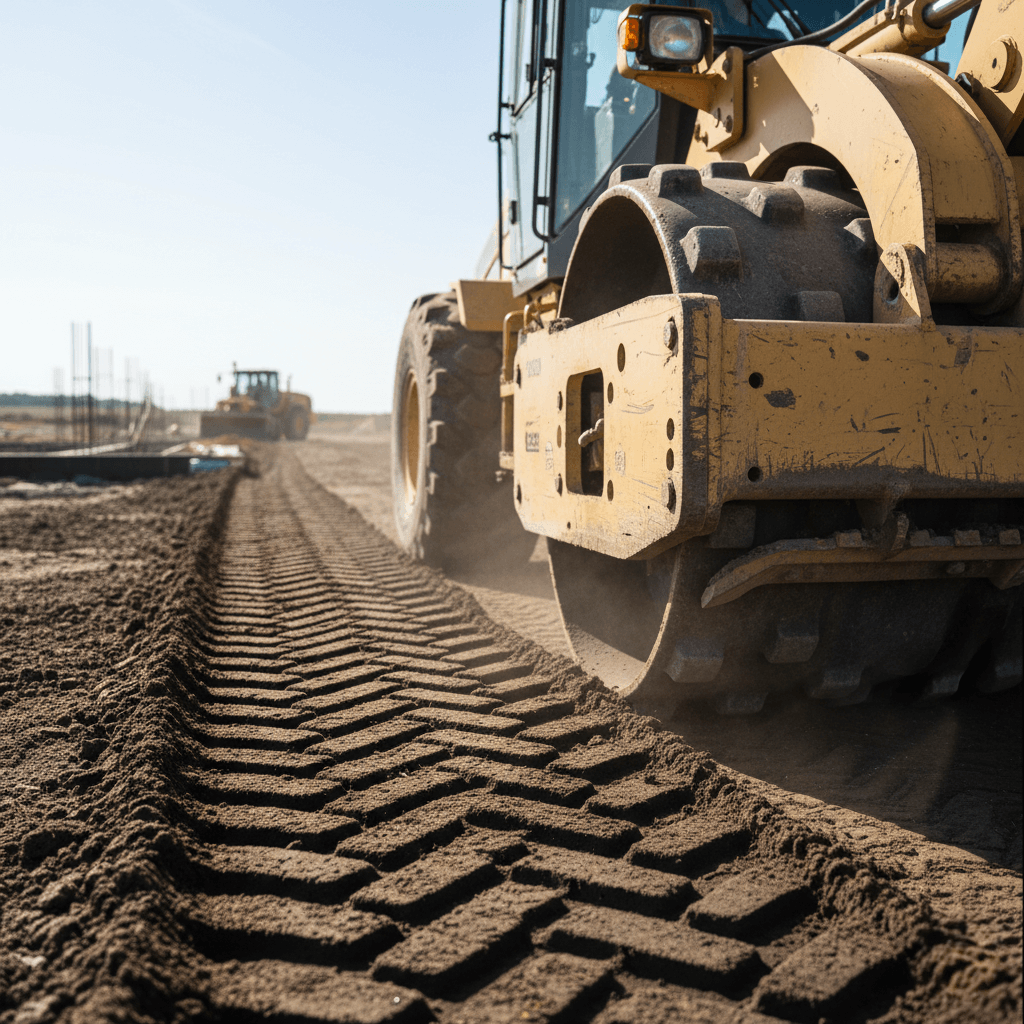
  1. Soil Compaction

It is the process of making the soil denser and thus the soil is pressurized so it will be able to support the weight of the basement and other structures. This is what we call compaction.

  1. Drainage Planning

Development of swales, slopes, and drainage ways to facilitate the removal of water from the house.

  1. Access Preparation

Temporary roads or access points are established for construction equipment.

Each step builds on the cleared surface.

Errors early in the process multiply later.

land clearing costs usa check today

The Biggest Cost Variable: Material Disposal

Similar to full land clearing, the costs of residential site preparation are to a great extent dependent on the fate of the removed material.

Main disposal options consist of:

Burning

  • Usually, this is the most economical alternative if it is allowed.
  • Not possible in all areas.

Hauling

  • Required for root material and restricted areas.
  • Adds fuel, trucking, and disposal fees.

Mulching

  • Useful for non-structural areas.
  • Not suitable under foundations.

Material handling decisions must be made early.

Why Pricing Varies So Much

Residential site preparation does not have flat pricing.

Costs vary based on:

  • Location
  • Land size
  • Tree density
  • Soil type
  • Terrain
  • Equipment needs
  • Disposal method

Fuel and labor rates

Two lots with the same size can have very different costs.

Professional quotes reflect real conditions, not averages.

Contact us today!

We would love to speak with you.
Feel free to reach out using the below details.

Common Mistakes in Residential Site Prep

Common Mistakes in Residential Site Prep

Many site problems trace back to poor clearing or rushed preparation.

  • Not removing roots completely 
  • Not paying attention to drainage 
  • Poor grading 
  • Not compacting the soil 
  • Using the wrong kind of equipment 

It is much cheaper to prevent these problems than to fix them later.

Soil and Drainage: The Risks You Don’t See

The type of soil and the flow of water around the house decide its durability over time.

If the ground is not treated properly:

  • The soil will move around
  • The foundation will get cracks
  • The water will flow and collect near the buildings
  • The erosion will cause damage to the gardens

A professional site preparation will ensure that these hazards are dealt with before the construction starts when it is

Environmental and Regulatory Factors

Residential land clearing and site prep must follow local rules.

Professionals manage:

  • Erosion control
  • Vegetation management
  • Permits and inspections
  • Protection of neighboring properties

Ignoring regulations can cause delays, fines, or stop-work orders.

Long-Term Value Starts Below Ground

Proper site prep is not visible once construction is complete.

Its value shows over time.

Well-prepared land:

  • Supports stronger foundations
  • Reduces future repairs
  • Improves property value
  • Extends the life of the home


Most site prep benefits come from problems that never happen.

Final Thoughts

New construction success starts with the land.

✔️Before foundations.

✔️Before framing.

✔️Before finishing. 

Professional land clearing creates the starting point for safe, accurate site preparation and development. Without it, every step that follows carries unnecessary risk.

For residential new construction, proper clearing and site preparation are not optional steps.

They are the foundation of a home that lasts.

Join Our Newsletter

INFORMATION

© 2026 LandClearingCosts.com - All rights reserved