Brush & Tree Clearing: Property Value & Usability
Book now Property value land clearing Property value is not only about location. It is also about how usable, safe, and ready the land is.
Lot Clearing for New Home Construction
Buying a lot is exciting. It feels like the first real step toward building your home.
But raw land is rarely ready for construction right away. Before concrete is poured or framing begins, the land must be cleared and prepared correctly.
Lot clearing for new home projects is not just about cutting trees. It is about making the property safe, usable, and ready for the next stages of construction.
This is a simple guide that outlines what a homeowner should get ready for, what land clearing entails, and how the whole process fits into the construction schedule.
Most plots have more than just the grass and some open space.
Untouched land usually has:
If these issues are not taken care of right away, they might turn out to be costly delays in the future.
Doing land clearing properly can save you from:
Since the entire construction depends on the condition of the land, it makes sense that clearing is the first step.
Lot clearing is basically the process of getting rid of vegetation and other obstacles so that construction can start safely.
A professional land clearing contractor may handle:
Clearing prepares the space, but it also determines how stable and usable the lot will be afterward.
The first step is always evaluation.
Before any machine arrives, a contractor will assess:
This is where real planning begins.
Without evaluation, clearing becomes guesswork, and that is when costly mistakes happen.
Homeowners should take a few steps before hiring a clearing crew.
Here is what to prepare early:
Know Your Goal
Are you building immediately, or just opening the lot?
Clearing for a home foundation is different than clearing for a yard.
Understand Property Boundaries
Make sure lot lines are confirmed before trees are removed.
Ask About Permits
Some areas require approval for tree removal or burning.
Rules vary by county and city.
Plan for Debris Handling
This is one of the biggest decisions.
Ask what will happen to the cleared material:
Debris disposal is often the largest cost difference between quotes.
Consider Access
If the equipment cannot reach the lot easily, the job becomes slower and more expensive.

Book now Property value land clearing Property value is not only about location. It is also about how usable, safe, and ready the land is.

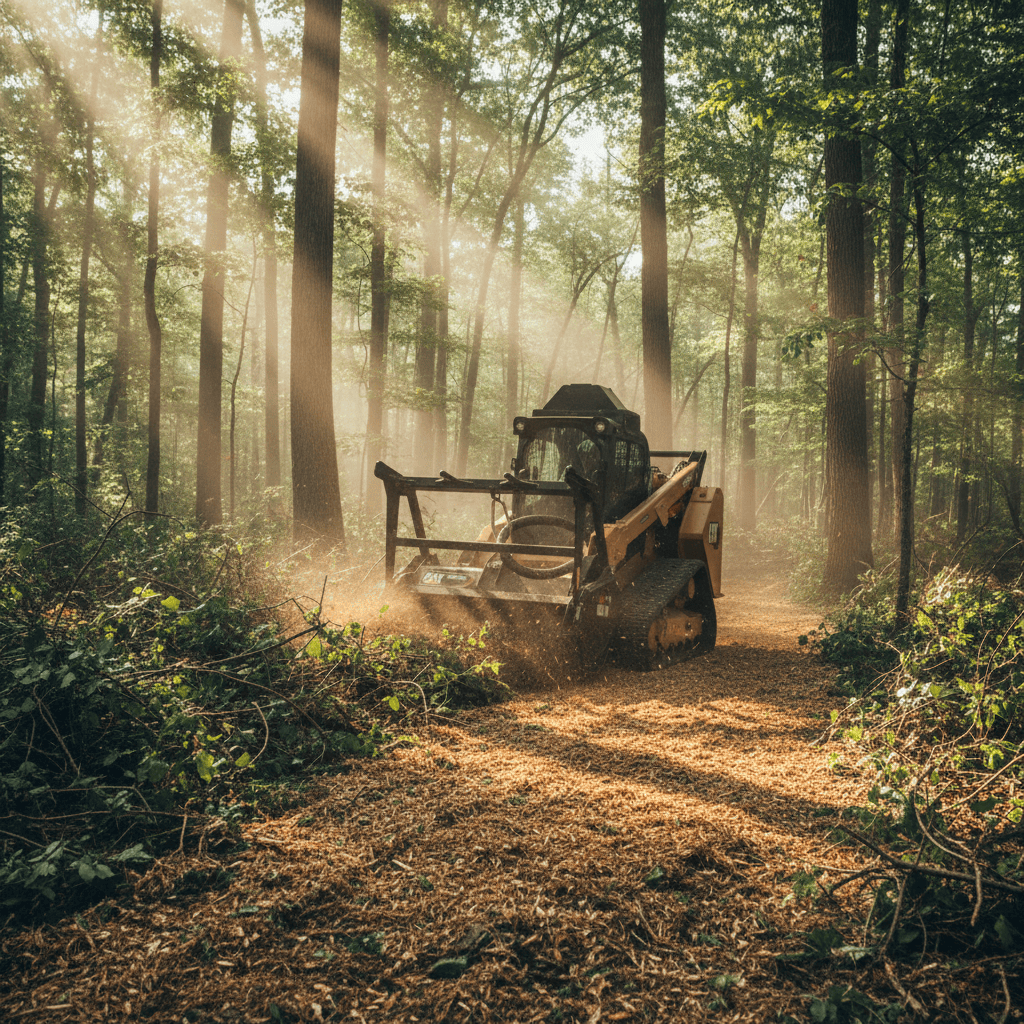
Book now Technology in land clearing Land clearing methods have undergone significant changes over the past ten years. Once a strenuous, chaotic, and semi, annually
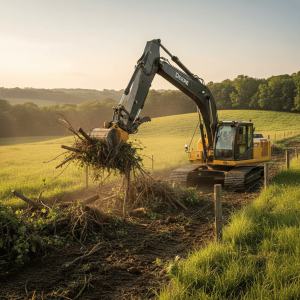
Book now Land development opportunities Land development starts with one simple question: what can this land become? Many properties look unusable at first. They can
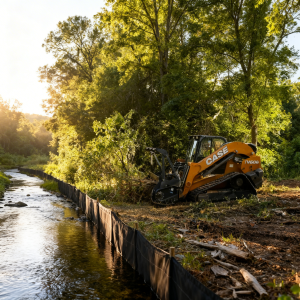
Book now Land clearing regulations Land development always starts with clearing the land. Before homes, roads, businesses, or farms can be built, vegetation and debris

Book now Future of land clearing Land clearing has always been the first step in turning raw land into usable space. Whether the goal is

Book now Building site clearing Every home starts with an idea, but it becomes real only when the land is ready. Before a foundation can

Book now Site preparation challenges Site preparation is one of the most essential parts of any land clearing project. Before a home, shop, road, or

Book now Erosion control and land clearing Land clearing is often the first step in building, farming, or improving a property. Trees, brush, and undergrowth

Book now Property maintenance underbrush Underbrush may seem like a small issue at first. It is easy to ignore a patch of vines, thick shrubs,
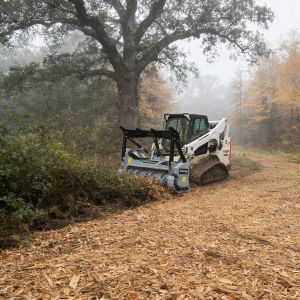
Book now Underbrush removal is one of the most important first steps in land clearing. Any piece of land if has to be used for
Most lot clearing for new home projects follows a clear sequence.
Here are the five main steps.
The contractor inspects the lot and decides what equipment is needed.
This step sets the plan for clearing and cleanup.
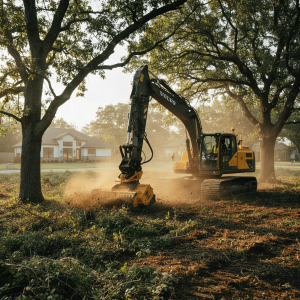
Trees, brush, and undergrowth are removed based on the project goal.
Methods may include:
Stumps may be removed, ground, or left depending on future use.
For home construction, stumps and roots usually must be addressed to avoid settling.
This is the major cost driver in most clearing jobs.
Options are:
Hauling is generally the most costly. Burning is less expensive, but not always allowed.
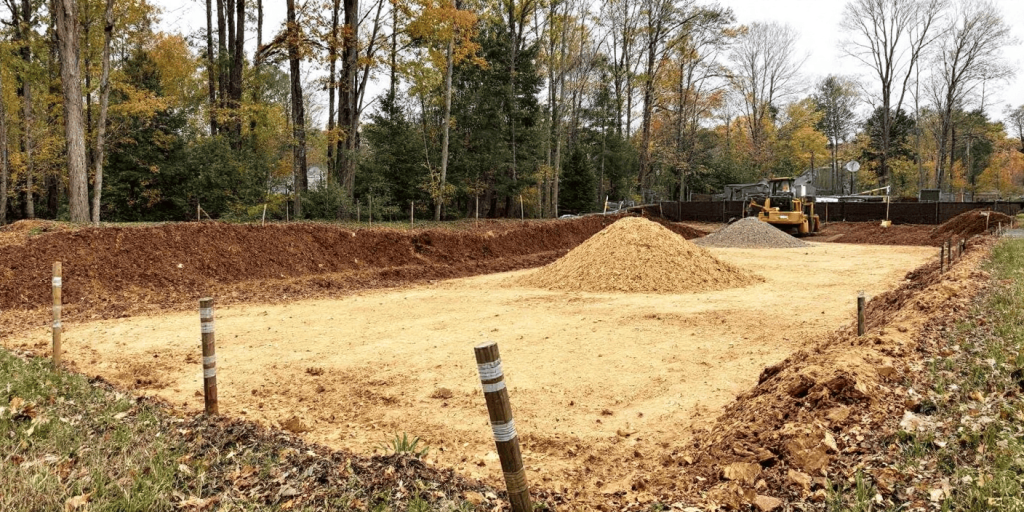
After a lot has been cleared, there may be a need for the ground to be leveled and shaped to allow water to flow away.
This work is essentially preparing for the foundation, driveway, and utilities installations.
Most homeowners focus on tree removal.
Contractors focus on the debris.
Every clearing job creates piles of material:
The question is always:
What happens next?
✅Leaving debris on-site may reduce cost, but it is not always practical.
✅Burning may be affordable, but it depends on local rules.
✅Hauling is clean but adds major transport and disposal fees.
That is why debris planning is central to any accurate land clearing quote.
Lot clearing fits into a much larger process.
The seven common stages of construction are:
Land clearing happens early because every later stage depends on stable ground.
What Impacts the Cost of Lot Clearing for a New Home?
Land clearing prices are never one-size-fits-all.
Costs vary by location and site conditions.
Key factors include:
Two lots of the same size can have very different prices based on these conditions.
Why Hiring the Right Contractor Matters
Lot clearing is heavy work with long-term consequences.
A professional contractor will:
Chemical clearing is often associated with:
Doing it right the first time
We would love to speak with you.
Feel free to reach out using the below details.
Preparing a lot for the construction of a new home involves much more than just cutting down trees. It includes ensuring the land is safe, stable, and ready for the next steps.
The smartest homeowners plan early, ask the right questions, and focus on the biggest issue of all:
What happens to the debris?
With proper clearing, responsible disposal, and professional site preparation, your lot becomes a strong foundation for the home you want to build.