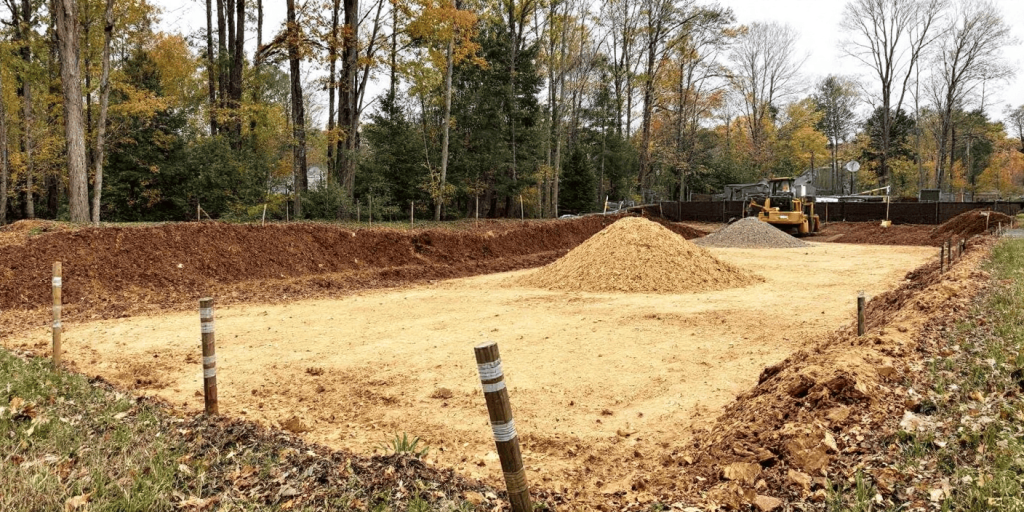
A Practical Guide to Modern Land Clearing Techniques
Land clearing is one of the first and most important steps in any development project. In case you are getting a plot ready for a new residential building, making a farm field, or launching a commercial construction, the manner in which you clear the property determines the cost, safety, duration, and future condition of the land.
In the past, landowners mainly depended on conventional methods such as bulldozing, burning, and chopping by hand. Nowadays, new land clearing techniques provide quicker, less dirty, and, in many cases, more earth-friendly choices.
Here is the article that differentiates modern and traditional clearing, provides answers to the most frequently asked questions by homeowners, and gives a detailed description of the machinery and methods being applied nowadays.
What Are Modern Land Clearing Techniques?
Modern land clearing techniques focus on efficiency, safety, and minimizing unnecessary damage to soil and surrounding land.
Instead of simply removing everything in the fastest way possible, modern methods aim to:
- Reduce cleanup needs
- Limit erosion and soil disturbance
- Avoid burning when possible
- Lower hauling and disposal costs
- Provide better control over what gets removed
Modern clearing is not just about speed. It is about smarter land preparation.
Why Clearing Methods Matter More Than People Think
Two properties of the same size can have very different clearing costs. The method used plays a major role.
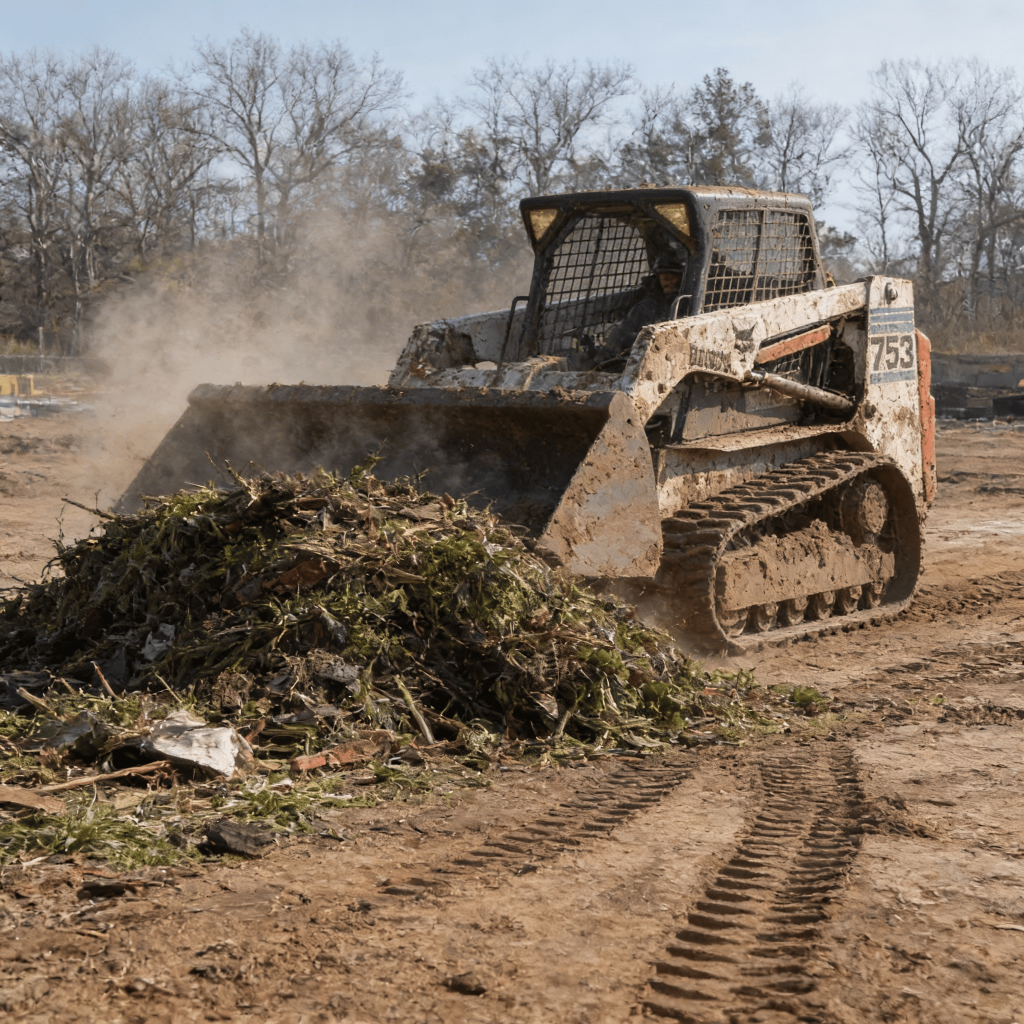
The biggest challenge is often not cutting vegetation but the biggest challenge is debris.
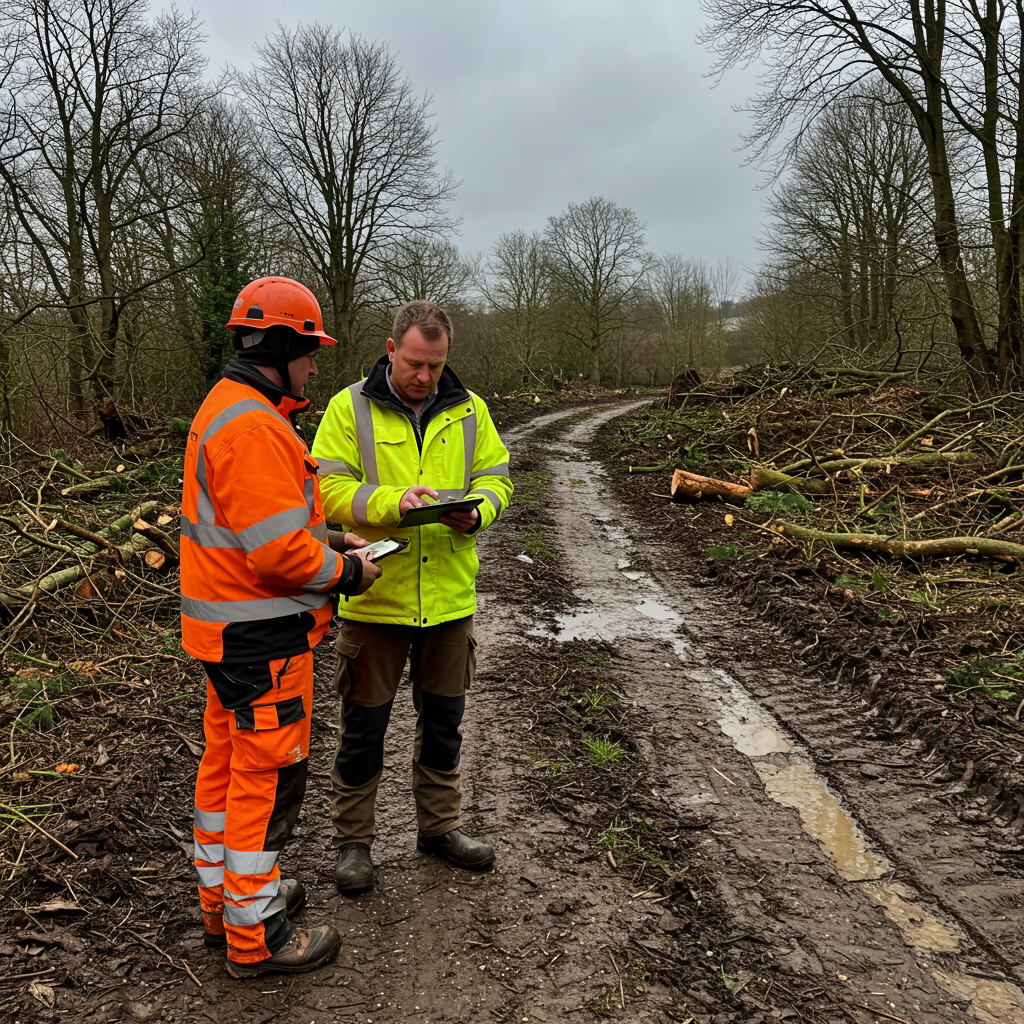
Contractors must decide:
- Will debris be mulched on-site?
- Will it be hauled away?
- Can it legally be burned?
That choice affects equipment needs, labor hours, and total project cost.
What Are the Four Methods That Can Be Used to Clear Land?
Most clearing work falls into four main categories. Each has advantages depending on vegetation, terrain, and project goals.
- Forestry Mulching (Modern Method)
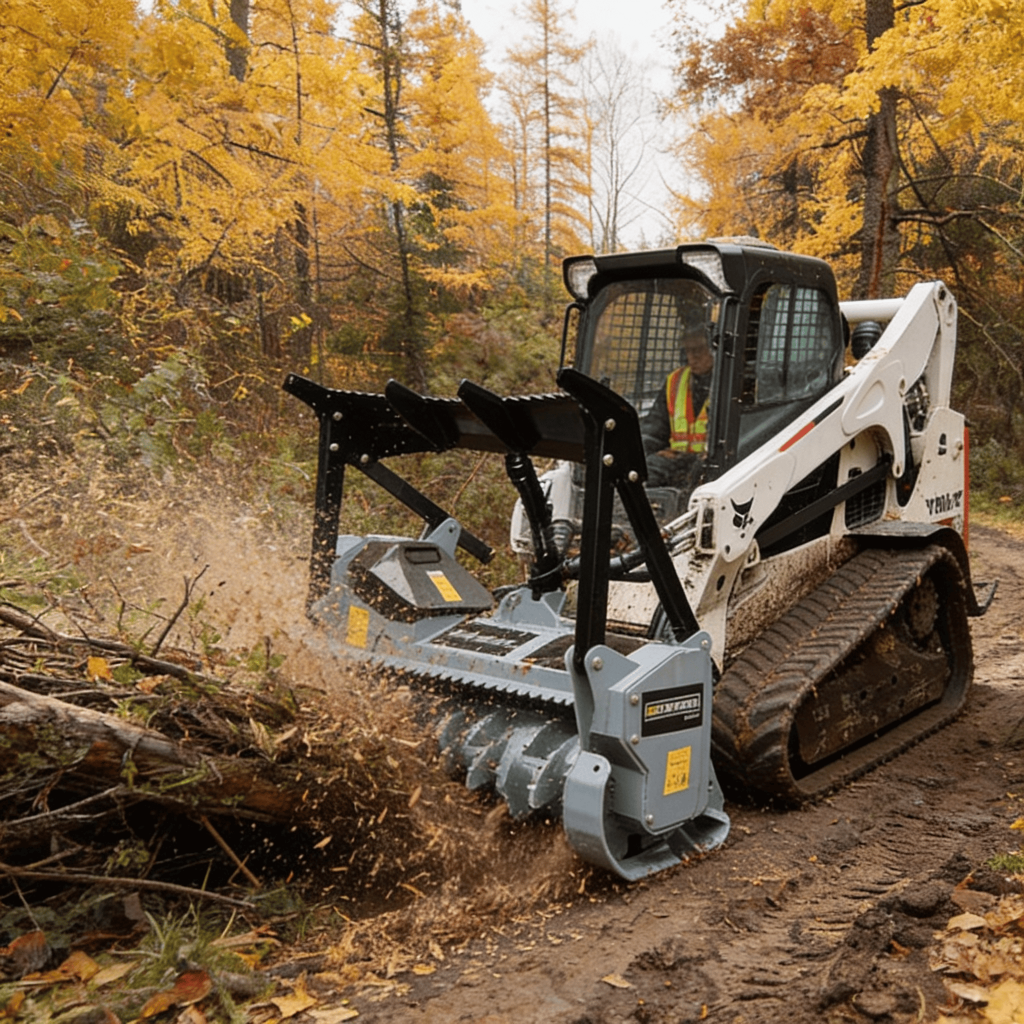
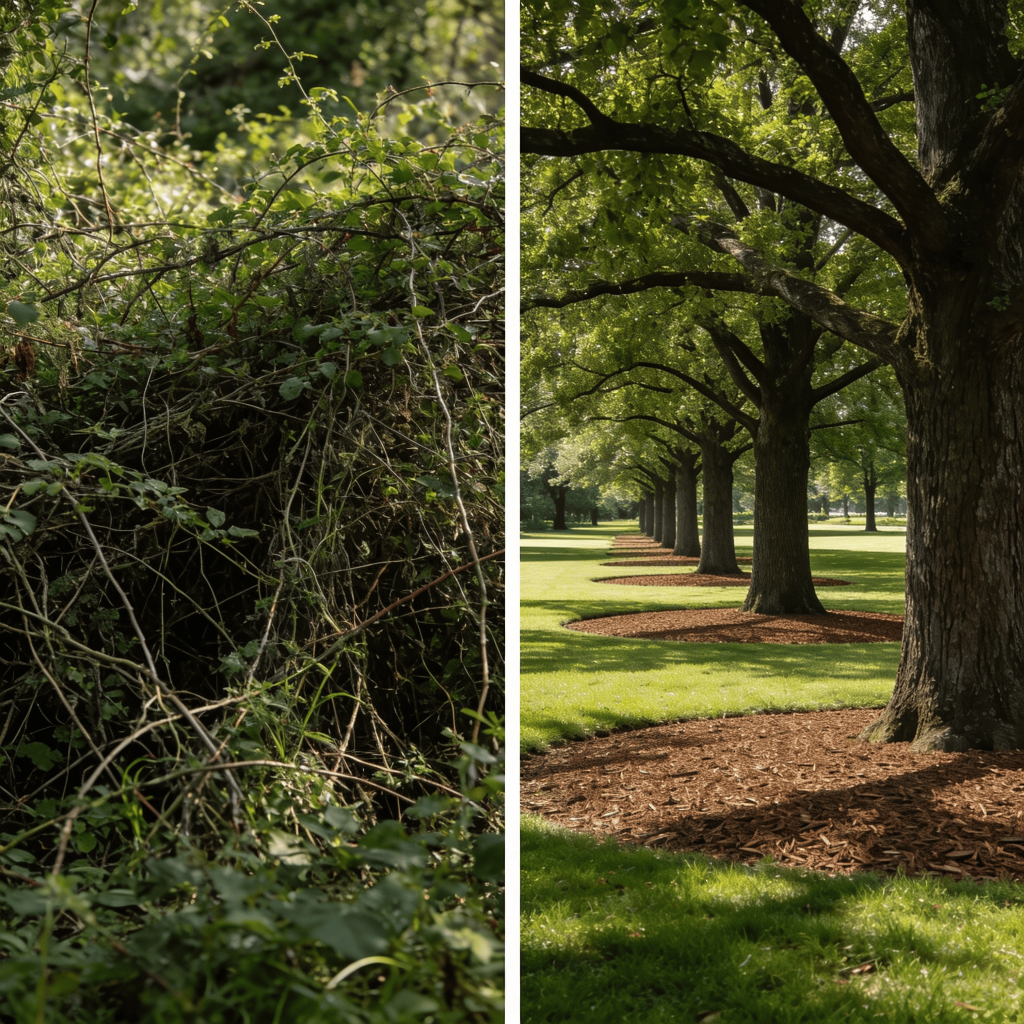
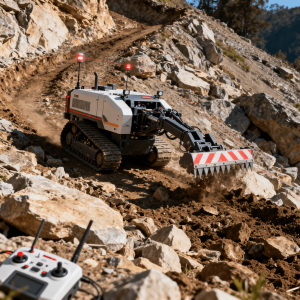
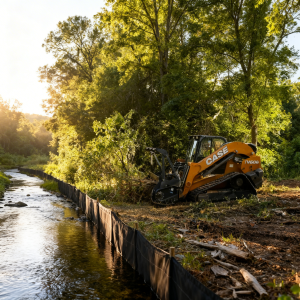
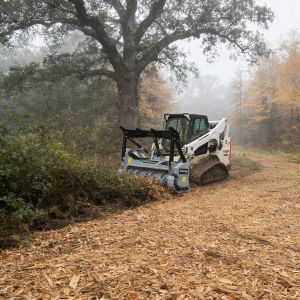
Forestry mulching is a technique where, with the help of special machines, trees, bushes, and undergrowth are turned into mulch. The mulch is distributed in the area as a natural cover.
Great for:
- Houses and their surroundings
- Clearing the boundaries of a property
- Making firebreaks
- Projects with a focus on the environment
Main advantage:
- Very little hauling and cleaning up
One reason that forestry mulching is one of the hottest trends in land clearing techniques today is that it clears and manages debris at the same time.
- Mechanical Clearing (Traditional Heavy Equipment)
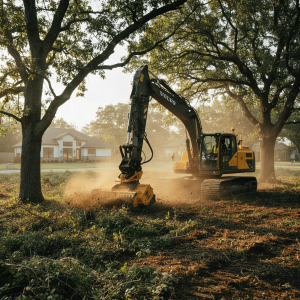
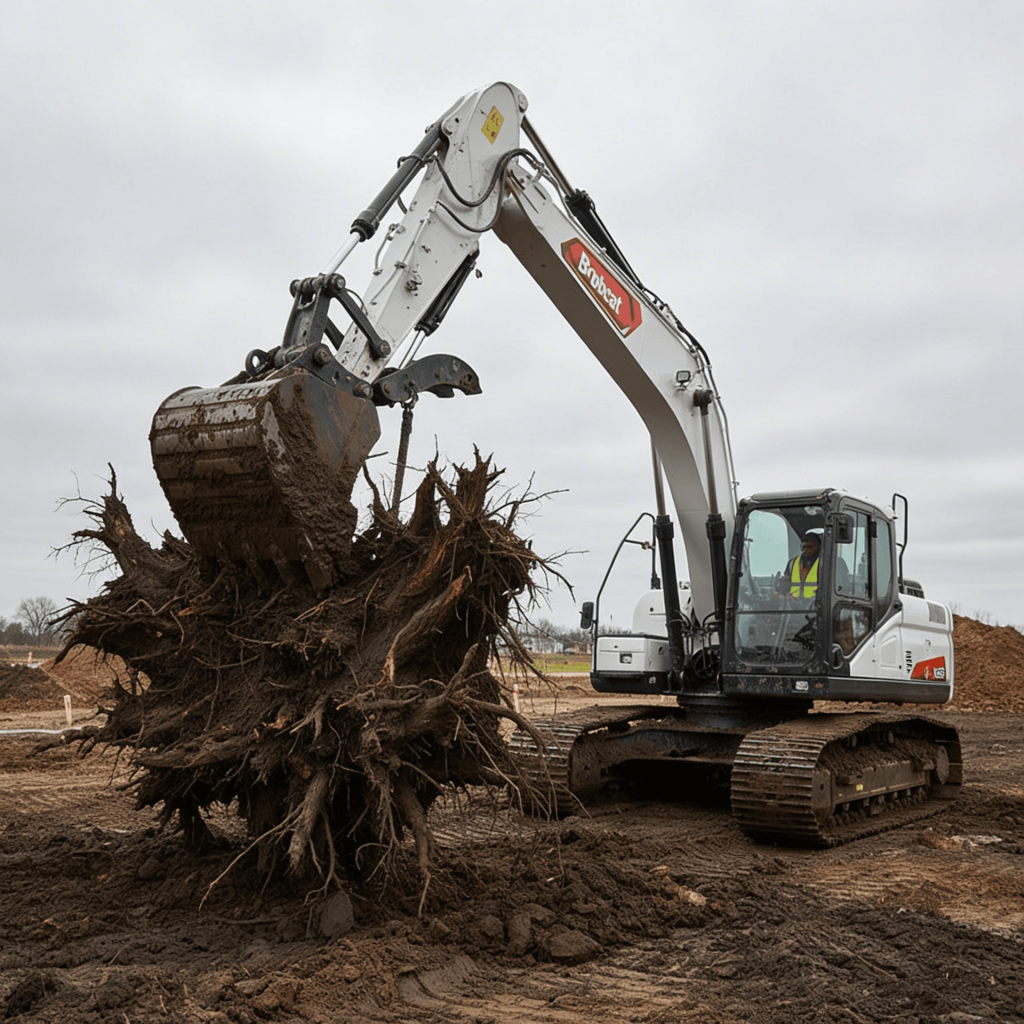
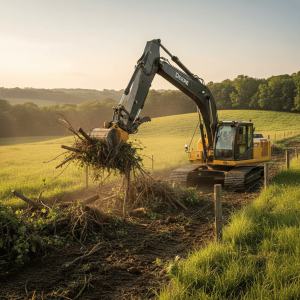
Mechanical clearing utilizes bulldozers, excavators, and loaders to push over vegetation and take it away from the site.
Great for:
- Large commercial sites
- Full removal projects
- Heavy forested acreage
Cons:
- Makes huge debris piles that have to be removed or burned
Mechanical clearing works but is often followed by higher cleaning-up expenses.
- Manual Clearing (Traditional Hand Work)
Manual clearing uses chainsaws, machetes, and hand crews.
Best for:
- Small areas
- Tight access zones
- Sensitive locations near structures
Downside:
- Labor-intensive and slower
Manual clearing is still useful, but it is rarely the best solution for large acreage.
- Controlled Burning (Traditional but Regulated)
Burning removes vegetation by fire under controlled conditions.
Best for:
- Rural land
- Agricultural areas
- Large open tracts
Downside:
- Requires permits and strict safety controls
- Not allowed in many areas
- Smoke and air quality concerns
Burning is far less common today due to regulations and fire risk.
What Are Two Methods Used for Clearing Forests?
Forest clearing is often more complex than clearing light brush.
Two common approaches include:
Forestry Mulching
This is ideal for selective forest clearing, smaller trees, and reducing erosion.
It eliminates the need for hauling and also naturally leaves protective mulch behind.
Excavator and Dozer Clearing
Here, the main idea is to use heavy equipment for cutting down of trees, taking out stumps and also grading the land.
It is common for commercial development where the land must be fully stripped.
Both methods are used depending on project purpose and permit limits.