The clearing of a piece of land is a major factor that determines what the property can become.
Untouched land might seem like nature, but it usually means the space can hardly be used. Thick brush conceals danger. Trees obstruct entry. Roots and waste materials add to the difficulty of the subsequent works. Most often, if land is left uncleared, it gets to be very difficult to control, it becomes unsafe, and unusable area for development.
Professional land clearing is not just about appearance. It is about making land safer, more functional, and ready for its next purpose.
This article explains why land clearing matters, how professionals perform it, what defines quality results, and why the crew doing the work makes all the difference.
What Is the Purpose of Land Clearing?
Land clearing is the process of removing unwanted trees, brush, stumps, and debris so land can be safely used.
Raw property often contains:
- Thick undergrowth
- Unstable ground
- Buried roots
- Drainage issues
- Limited access for equipment
Clearing addresses these problems and opens up usable space.
Land clearing works towards various objectives such as:
- Making land ready for construction or agriculture
- Providing safe access for equipment and workers
- Limiting the possibilities of fire and pests
- Enabling correct leveling and water flow
- Enhancing real estate worth and functionality
A professional land clearing service is equally concerned with the obvious enhancement of the land as well as its sustainable high standards.
Why Land Clearing Matters in Land Preparation
Land clearing is the first major step in land preparation.
First of all the site has to be properly cleared before any grading, drainage work or construction can be started. If you clear badly you will be faced with problems that will affect every stage after it.
Land clearing is one of the ways that helps land preparation by:
Disallowing Structural Problems
Roots and buried organic material will eventually rot. This causes settling under foundations, driveways, and pads.
Removing stumps and root systems early reduces long-term risk.
Supporting Water Management
Clearing allows contractors to see natural drainage paths and plan water flow away from structures.
Improving Work Efficiency
Equipment and crews need clear access routes. Thick brush and debris slow work and increase hazards.
Meeting Local Requirements
Many projects require cleared land before permits, inspections, or site approvals move forward.
Rushing clearing often leads to delays, rework, and higher costs later.
How Professional Land Clearing Is Performed
Professional land clearing follows a structured process. It is planned, controlled, and matched to the property’s needs.
- Site Evaluation
Every task is initiated by a thorough inspection.
- Contractors take into consideration:
- Vegetation density
- Size of trees
- Type of soil
- Gradient of the land
- Water flow patterns
- Points of entry for machinery
This step helps to decide the clearing method that is not only safe but also efficient.
- Equipment Selection
Different types of machines are great for handling various parts of a yard.
Specialists pick the right equipment by taking into consideration:
- The size of the trees and the brush
- The objectives of the project
- The level of difficulty of the terrain
- The needs for waste disposal
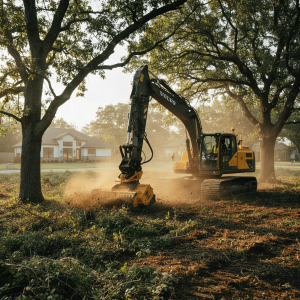
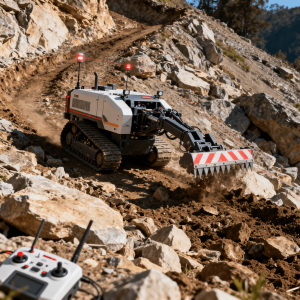
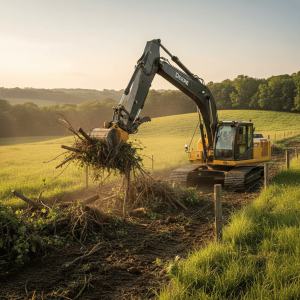
Excavators, mulchers, skid steers, and dozers are some of the equipment that is most often used.
- Vegetation Removal
Brush, undergrowth, and trees can be removed by:
- forestry mulching
- mechanical clearing
- selective cutting
- heavy removal excavation
One of the main objectives is to clean the area without causing too much disturbance.
- Stump and Root Management
Stumps and roots may be:
- Fully removed
- Ground down
- Left in place depending on land use
For building sites, root removal is often required to prevent settling.
- Debris Handling and Disposal
This is one of the biggest decisions in any clearing project.
Cleared material may be handled by:
- Mulching on site
- Piling and burning where allowed
- Hauling off with trucks
Disposal method strongly affects cost and timeline. Hauling adds fuel, trucking, and dump fees. Burning costs less when it is legal but it might not be possible all the time. Mulching not only helps to avoid haul out, but also might cause re-growth.
- Final Site Conditioning
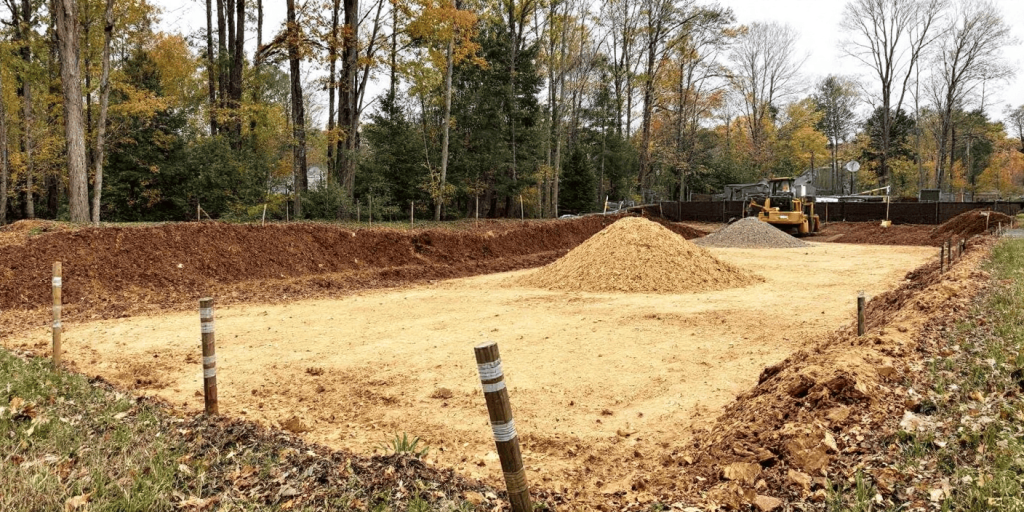
When the vegetation is taken out, the area is exposed, it is easily accessible, and it is ready for the next step, which might be grading or construction.
What Is the Best Way to Clear Land?
There is no single best method for every property.
The right approach depends on:
- Land conditions
- Project purpose
- Vegetation type
- Environmental limits
- Local rules
Some of the common methods of land clearing are:
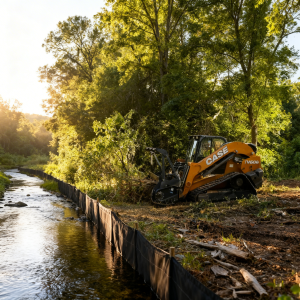
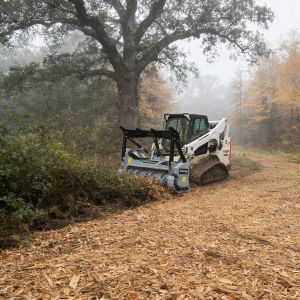
Forestry Mulching
- Fast work clearing the surface
- Very little debris to be piled up
- No need to haul anything
- Great for brush and small trees
Mulching does not eliminate roots, so new growth can occur.
Mechanical Clearing
- Removal of the entire area with heavy machinery
- Great for large trees and development sites
- Usually, there is a need to haul or burn the debris
Selective Clearing
- Removal of unwanted growth while keeping the healthy trees
- Popular for residential lots and landscaping goals
Manual Clearing
- Suitable for situations with limited access or where the environment is sensitive
- Slow and labor-intensive
Professional teams first assess the place and then decide on the method.