Key Considerations for Landowners Before Clearing

A Landowner Guide to Land Clearing Done the Right Way

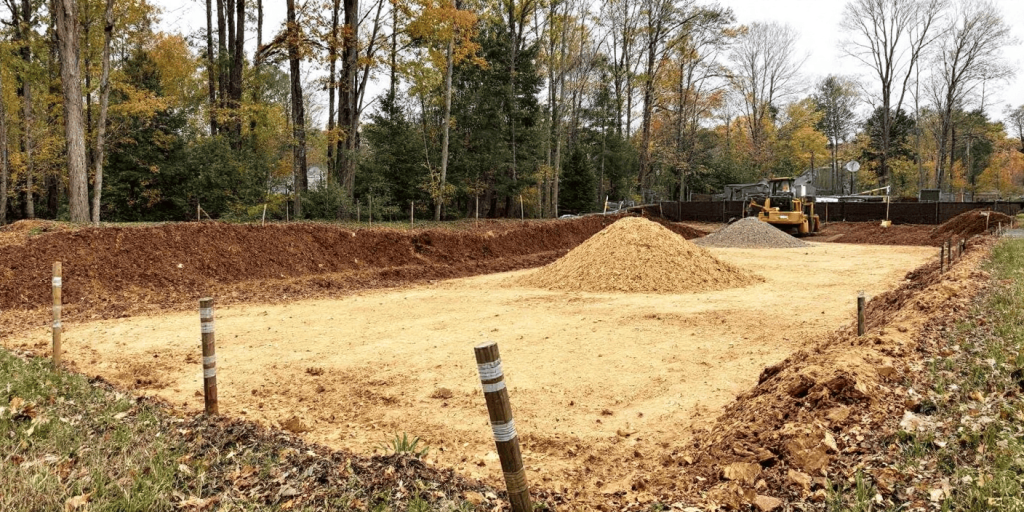
Land clearing is often the first real step in improving a property.

Maybe you want to build a home, maybe you need more usable space, or maybe you are preparing land for farming, fencing, or future development.

Whatever the goal, clearing land is not just cutting trees.

It is a process that affects cost, safety, soil health, drainage, and what your land will look like for years.

That is why every landowner should slow down and plan before any equipment arrives.


This landowner’s guide to land clearing covers the most important things to consider before starting a clearing project, including debris handling, pricing factors, permits, and choosing the right method.

What Does Land Clearing Really Mean?

Land clearing is the removal of unwanted vegetation and debris from a property.

This may include:

  • Trees
  • Brush and undergrowth
  • Stumps and roots
  • Fallen limbs
  • Organic debris


The purpose is usually to make land usable for:

  • Construction
  • Farming
  • Trails and access roads
  • Pasture expansion
  • Property improvement


Land clearing is often the foundation of land preparation, but it must be done with the right plan.

A Landowner Guide to Land Clearing Done the Right Way (1)
Key Considerations for Landowners Before Clearing (1)

1. Know Your Purpose Before Clearing

The first question is simple:

Why are you clearing this land?

Clearing for a house is different from clearing for a pasture.


Some common goals include:

  • Building a home or structure
  • Expanding a yard or usable space
  • Creating safer visibility around property lines
  • Improving land value before selling
  • Preparing hunting land or farm fields


Your purpose affects:

  • Equipment choice
  • Debris handling
  • Level of stump removal
  • Grading and soil work needed


A landowner guide to land clearing always starts with the end goal.

2. Understand What Happens to the Debris

This is one of the biggest cost and planning issues.

Once trees and bushes are cut down and removed from the land, the owners of the land need to make a choice regarding: 

What is to be done with the leftover debris? 

Usually, the leftover materials are disposed of in one of the following ways:


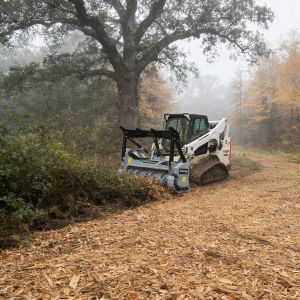
Mulching on the Spot 

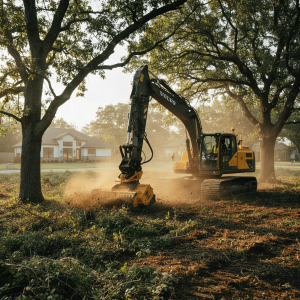
Forestry mulching makes use of a machine that transforms the vegetation into mulch and the mulch is then left on the ground.

This way there is no need to haul the vegetation and thus the cost of cleaning up is minimized.


Burning after Piling

Generally, burning is a cheaper option than hauling, however, the deciding factor is primarily based on the rules of the area.

The possible ways of burning may be restricted by such rules as ban on burning due to fire hazards or by the fact that the place is a residential area.


Hauling away

Removing debris off-site adds major cost.

It requires:

    • Dump trucks
    • Disposal fees
    • Extra labor
  • More fuel

Always ask the contractor:

  • Is debris removal included?
  • What stays and what goes?

Debris handling is often the biggest difference between quotes.

3. Expect Pricing to Vary by Location

Land clearing costs are never the same everywhere.

Prices vary according to:

  • the cost of local labor
  • the price of fuel
  • the availability of equipmentthe requirement for permits
  • the fee for disposal

Therefore, the online price ranges should only be considered as rough estimates.

An expert estimate is always a more precise method than merely guessing

2. Understand What Happens to the Debris (1)
3. Expect Pricing to Vary by Location (1)

Share:

More Posts

Send Us A Message

4. Evaluate Vegetation Density, Not Just Acreage

Many landowners think clearing cost is based only on property size.

In reality, vegetation density matters more.

Light Growth

Grass, small brush, scattered saplings.

Usually the least expensive.

Medium Density

Mixed brush and smaller trees.

Requires heavier equipment and more time.

Heavy Density

Large hardwood trees, thick undergrowth, deep roots. This is the highest cost per acre.

One acre of dense forest can cost more than five acres of open land.

5. Choose the Proper Land, Clearing Method

There isn’t a single best way to clear land.


The right method depends on your goals, land characteristics, and budget.

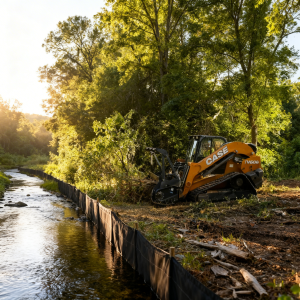
Forestry Mulching

Is suitable for most residential and medium-density projects.

The major benefits of the method are:

  • No hauling
  • Minimal soil disturbance
  • Quick cleanup
  • Reduced disposal cost 


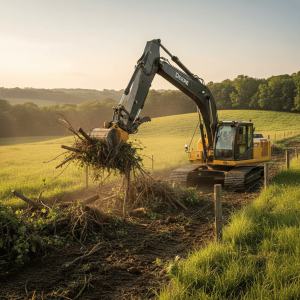
Excavator Clearing

It is the best option for large trees, stump removal, and deeper site prep.

It is generally required for build, ready lots.


Bulldozing

Is the method used for large-scale commercial clearing.

It is quick, but it produces large debris piles and soil disruption.


Manual Clearing

Works for small areas or tight access. Labor-heavy and slower on large acreage.

A professional contractor should explain why a method fits your land.

land clearing costs usa check today

6. Ask About Stumps and Root Removal

Not all clearing includes stump work. Some projects only remove surface vegetation.

But stumps and roots matter if you plan to:

  • Build foundations
  • Install utilities
  • Grade for driveways
  • Prevent regrowth

Root removal often requires:

  • Excavators
  • Root rakes
  • Hauling root mat off-site


This can raise cost quickly, so clarify it early.

Contact us today!

We would love to speak with you.
Feel free to reach out using the below details.

7. Consider Soil and Drainage Before Clearing

Soil is more than dirt. It supports everything that comes next.

Clearing without planning drainage can lead to:

  • Water pooling
  • Erosion
  • Foundation problems
  • Soil instability


Professional land clearing often includes:

  • Grading plans
  • Drainage paths
  • Soil compaction needs

A landowner’s guide to land clearing should always include water flow planning.

  1. Permits and Regulations May Apply

Land clearing is often regulated.

Most usually, if you check your locality, you will find that one has to obtain a permit to:

  • felling of tree(s)
  • protecting of wetlands
  • maintaining the buffer zones of streams
  • burning of the debris
  • controlling the erosion

Some of the consequences that skipping permits may entail

  1. Plan for Equipment Access and Transport

Heavy machines must reach your site. Limited access makes the cost go up.

Typical access problems include:

  • Very narrow driveways
  • Soft ground
  • Steep slopes
  • Faraway locations

It is another thing that transporting the equipment also causes extra charges.


Check whether your quote covers:

  • Delivery
  • Pickup
  • Mobilization costs

Good access usually results in quicker and cheaper clearing.

  1. Have a Contingency Fund for Unforeseen Problems

There are always some surprises hiding on land clearing that can be very troublesome, for example:

  • Buried
  • Rocks
  • Wet soil
  • Old fencing
  • Deep root systems

Landowners should keep a buffer in the budget for surprises.

  1. Hire an Insured, Experienced Contractor

Land clearing is not a DIY job for most properties.

Professional crews provide:

  • Proper equipment
  • Skilled operators
  • Safety practices
  • Insurance protection
  • Efficient debris handling


Always verify:

  • Licensing
  • Insurance
  • Written estimates
  • Past project experience


The cheapest bid often becomes the most expensive outcome.

  1. Ask the Right Questions Before Work Begins

Here are key questions every landowner should ask:

  • What clearing method will you use?
  • What happens to the debris?
  • Are stumps included or extra?
  • Do permits apply here?
  • Is hauling part of the quote?
  • How long will the project take?
  • What could raise the cost?


Clear answers prevent costly misunderstandings.

Final Thoughts: Clear Land Starts With Clear Planning

Land clearing is the foundation of any successful land project.

The best results come from planning, not rushing.

If you take the time to sort through your priorities, then clearing land becomes a series of small steps where each one is done consciously and with regard to the whole.


Key takeaways from a landowner guide to land clearing:

  • Handling of debris is a major cost factor
  • The methods should be consistent with the aims
  • Early consideration of soil and drainage
  • Permits and access influence the cost
  • Hiring professionals avoid costly errors


A successful clearing of the land not only makes the property safer and more efficient but also opens it up for future possibilities.

Need Help Finding the Right Clearing Service?

Every property is different.

If you want help understanding your options or connecting with qualified professionals in your area, share your project details.

The right plan now saves time, money, and major headaches later.

Join Our Newsletter

INFORMATION

© 2026 LandClearingCosts.com - All rights reserved