Insured & Bonded: Don’t Hire the Cheapest

Why Choosing a Licensed Land Clearing Contractor Matters

When landowners start planning a clearing project, the first question is often about price.

“How much will it cost per acre?”

“Can someone do it cheaper?”

“Why is this quote higher than the other one?”

These are normal questions. Land clearing is a major investment, and every property owner wants to stay on budget.

But here is the truth:

Hiring the cheapest crew is one of the fastest ways to turn a simple land-clearing job into a costly problem.

A licensed land clearing contractor who is insured and bonded may not be the lowest bid, but they are usually the safest choice. They protect your land, your wallet, and your future project.


This article explains why insurance, bonding, and proper licensing matter, and what hidden risks often come with bargain-clearing work.

Land Clearing Is Not Just Cutting Trees

Many people think land clearing is simple.

Cut trees, push brush, and clear space.

But professional land clearing is much more than that. It involves:

  • Heavy equipment
  • Soil stability
  • Drainage planning
  • Safe debris handling
  • Local regulations
  • Environmental rules
  • Proper cleanup

A clearing job can affect everything that comes after, including:

  • Home foundations
  • Driveways
  • Pastures
  • Commercial development
  • Property value


That is why the contractor you hire matters as much as the work itself.

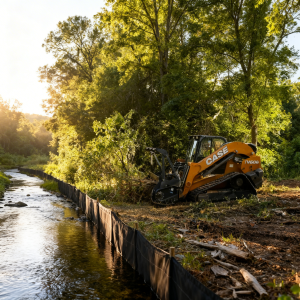
Insured & Bonded_ Don’t Hire the Cheapest (1)
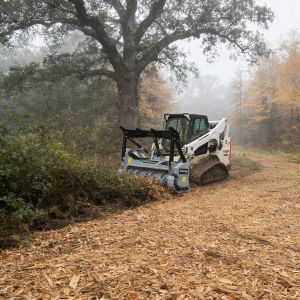
Land Clearing Is Not Just Cutting Trees (1)

What Does “Licensed, Insured, and Bonded” Really Mean?

These words get used a lot, but many landowners don’t know what they actually protect.

Licensed

A licensed land clearing contractor has met local or state requirements to legally perform clearing work.

Licensing often means:

  • Verified experience
  • Proper business registration
  • Compliance with safety standards
  • Knowledge of permits and regulations


Insured

Insurance protects you if something goes wrong.

Land clearing involves machines, falling trees, and unpredictable ground conditions.

Insurance may cover:

  • Property damage
  • Equipment accidents
  • Worker injuries
  • Liability claims

If a contractor is not insured, you could be responsible for damages on your own land.


Bonded

Bonding is extra protection. A bond helps ensure the contractor completes the job as promised.

Bonding can protect you if the contractor:

  • Walks off the job
  • Breaks contract terms
  • Fails to meet obligations

A bonded contractor shows they take the work seriously.

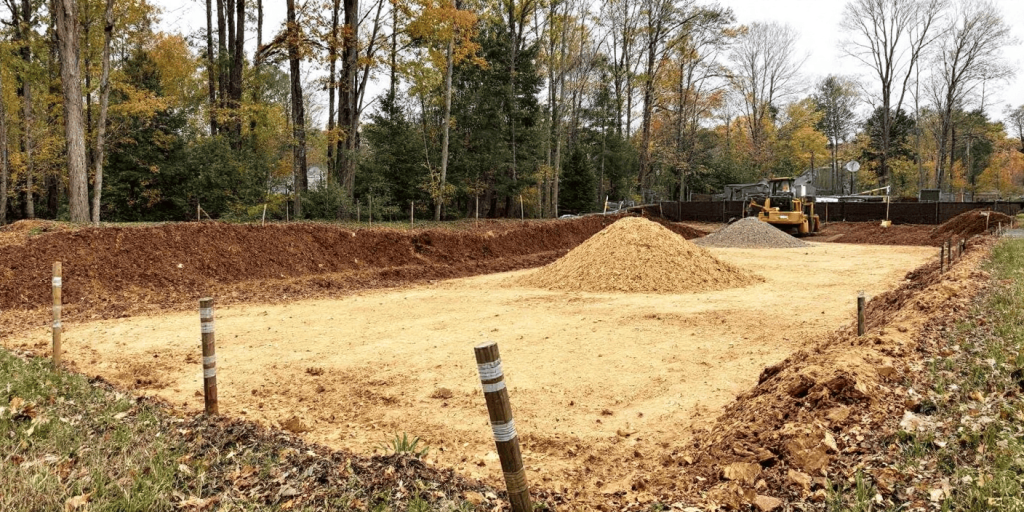
What Does “Licensed, Insured, and Bonded” Really Mean_ (1)

Why the Cheapest Quote Often Leaves Out the Biggest Costs

Land clearing quotes can vary widely. That is because no two properties are the same.

But low bids often happen for a different reason:

Important work is missing from the price.

A cheap quote may not include:

  • Stump removal
  • Root cleanup
  • Proper grading
  • Full debris disposal
  • Permit compliance
  • Equipment transport
  • Final site conditioning

That “low price” can turn into surprise charges later.

Debris Handling Is the Biggest Cost Question

One of the largest factors in land clearing is not the cutting.

It is what happens after.

Every clearing job creates debris:

  • Trees
  • Brush
  • Roots
  • Stumps
  • Organic waste piles

A licensed land clearing contractor will explain disposal clearly.


The main options are:

Mulching On-Site

Forestry mulching grinds vegetation into mulch and leaves it on the ground.

This reduces hauling costs and avoids burning.

It is often a clean and efficient option for underbrush or small trees.


Burning

Usually, burning costs less than hauling, but it is not always permitted. 

It depends on: 

  • Local burn rules 
  • Weather conditions 
  • Property location 
  • Fire risk 

A professional contractor will only burn when permitted and safe.


Hauling Away

Hauling debris off-site is often the most expensive option.

It requires:

  • Dump trucks
  • Labor loading time
  • Disposal fees
  • Transport costs

Cheap contractors may quote clearing but leave hauling out completely.


Always ask:

“What happens to the debris?”
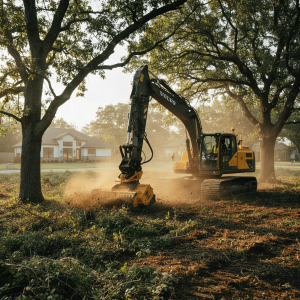
Equipment Costs Are Real, Even If Contractors Don’t Mention Them (1)

Share:

More Posts

Send Us A Message

Equipment Costs Are Real, Even If Contractors Don’t Mention Them

Land clearing requires machines, and machines cost money to run.

Common equipment includes:

  • Excavators
  • Forestry mulchers
  • Bulldozers
  • Skid steers
  • Root rakes
  • Dump trucks


Contractors may require rental equipment for some of their work as well.

Rental prices differ from one area to another; however, they can increase very quickly, in particular, for:

  • Giant excavators
  • Specialized attachments
  • Projects over several days


If a bid is very low, it could indicate the contractor is using smaller equipment or the work is not being done properly.

Transport and Delivery Can Change the Price

Heavy equipment does not magically appear on your property.

It must be delivered.

Transport costs depend on:

  • Distance from the contractor
  • Road access
  • Machine size
  • Remote job locations


A licensed land clearing contractor will include equipment transport in the quote.

Unlicensed crews may ignore it until the last minute.

Labor and Fuel Are Major Cost Drivers

Clearing land is not cheap work.

Professional operators are skilled. They know how to:

  • Drop trees safely
  • Avoid soil damage
  • Work efficiently
  • Prevent erosion
  • Handle debris properly

Labor costs vary by location, and so does fuel.

Diesel prices, machine run time, and site conditions all affect the final cost.

A cheap contractor may reduce labor by rushing, which often leads to poor results.


Unexpected Site Conditions Happen All the Time

Even a clean-looking property can hide problems like:

  • Buried stumps
  • Rocks
  • Wet ground
  • Old fencing
  • Drainage issues
  • Thick root mats

These surprises affect time and equipment needs.

Licensed contractors expect this and plan accordingly.

Cheap crews often do not, and that leads to:

  • Delays
  • Extra charges
  • Incomplete clearing
  • Unsafe conditions
land clearing costs usa check today

The Risk of Hiring an Unlicensed Contractor

Hiring an unlicensed land clearing crew can expose you to serious problems:

  • No insurance coverage
  • Unsafe work practices
  • Permit violations
  • Poor debris disposal
  • Damage to neighboring land
  • Legal liability

If a worker gets hurt on your property, you may be responsible.

If clearing is done illegally, the fines may fall on you.

Saving money upfront is not worth that risk.

What a Licensed Land Clearing Contractor Should Provide

A professional contractor should always offer:

  • Clear written estimates
  • Explanation of debris handling
  • Proof of insurance and bonding
  • Proper equipment for the job
  • Knowledge of local rules
  • Honest timelines
  • Safe work practices


They should also ask the right questions, such as:

  • Are you building or just opening space?
  • Do you want stumps removed?
  • Will debris stay on-site, burn, or be hauled away?
  • Are permits required here?


That is what real professionals do.

Contact us today!

We would love to speak with you.
Feel free to reach out using the below details.

Don’t Hire the Cheapest. Hire the Right Crew.

Land clearing is the foundation of everything that comes next.

The cheapest contractor may offer a low number, but often at the cost of:

  • Safety
  • Cleanup
  • Legal compliance
  • Long-term land stability


A licensed land clearing contractor who is insured and bonded protects your investment and delivers work that lasts.

Final Thoughts

Land clearing is not just removing trees. It is preparing land for a safe, usable future space.

Price matters, but value matters more.

When you choose a contractor, look beyond the cheapest quote.


Ask about:

  • Insurance
  • Bonding
  • Licensing
  • Debris handling
  • Equipment
  • Site conditions
  • Full scope of work


The right contractor costs more for a reason.

Because doing it right the first time is always cheaper than fixing it later.

Join Our Newsletter

INFORMATION

© 2026 LandClearingCosts.com - All rights reserved