Brush & Tree Clearing: Property Value & Usability
Book now Property value land clearing Property value is not only about location. It is also about how usable, safe, and ready the land is.
What Your Land Clearing Quote Might Not Tell You (But Should)
Land clearing often looks simple from the outside.
Cut the trees, remove the brush and open up the property.
But many property owners are surprised when the final cost ends up higher than expected. That usually happens because some of the most important expenses are not obvious at the start.
Hidden costs in land clearing often include:
These are not always included in a basic estimate, but they can change the total project cost significantly.
This article explains what these hidden costs are, why they exist, and how landowners can avoid expensive surprises.
No two properties are the same.
Even lots that look similar can have very different:
Land clearing is priced based on real conditions, not just acreage.
A quote is not only about cutting trees. It is about what happens during clearing and what must happen after the vegetation is removed.
Understanding hidden costs does not mean land clearing is unpredictable. It means land clearing requires planning.
Permits are one of the most common surprises for homeowners.
Many people assume land clearing is private property work that does not require approval. In reality, local governments often regulate clearing closely.
Why Permits Are Required
Permits exist to protect:
Even small residential clearing projects may require approval depending on the location.
Permit costs vary widely.
They depend on:
Some permits involve only asic processing fees. Others may require engineering reports or environmental review.
The exact number is different in every region.
The bigger risk is not the fee itself but clearing without the permit.
Ignoring permits can lead to:
A professional land clearing contractor should discuss permits early, not after the job begins.
Soil Testing: The Cost You Don’t See Coming
Another hidden cost that catches property owners off guard is soil testing.
Land clearing opens the site, but soil determines what can safely be built or installed afterward.

Book now Property value land clearing Property value is not only about location. It is also about how usable, safe, and ready the land is.

Book now Technology in land clearing Land clearing methods have undergone significant changes over the past ten years. Once a strenuous, chaotic, and semi, annually
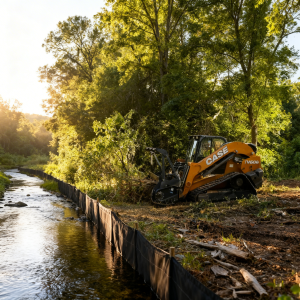
Book now Land development opportunities Land development starts with one simple question: what can this land become? Many properties look unusable at first. They can
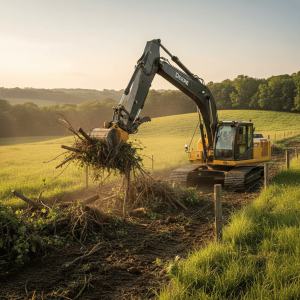
Book now Land clearing regulations Land development always starts with clearing the land. Before homes, roads, businesses, or farms can be built, vegetation and debris

Book now Future of land clearing Land clearing has always been the first step in turning raw land into usable space. Whether the goal is

Book now Building site clearing Every home starts with an idea, but it becomes real only when the land is ready. Before a foundation can

Book now Site preparation challenges Site preparation is one of the most essential parts of any land clearing project. Before a home, shop, road, or

Book now Erosion control and land clearing Land clearing is often the first step in building, farming, or improving a property. Trees, brush, and undergrowth

Book now Property maintenance underbrush Underbrush may seem like a small issue at first. It is easy to ignore a patch of vines, thick shrubs,
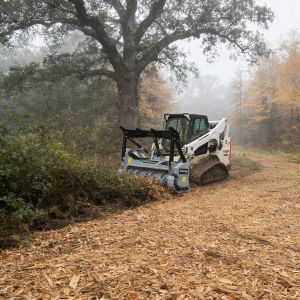
Book now Underbrush removal is one of the most important first steps in land clearing. Any piece of land if has to be used for
Soil testing measures various aspects of the soil like:
Soil testing is crucial especially when clearing the land is for:
The cost of soil research depends on a number of factors, including:
While prices differ by region, soil testing is usually small compared to the cost of fixing structural problems later.
Why Soil Testing Matters
Skipping soil evaluation can lead to:
Soil problems found late are always more expensive to correct.
Debris Removal: Where Land Clearing Costs Add Up Fast
✅Clearing land does not just remove vegetation.
✅It creates debris.
✅And debris handling is often the biggest variable in the total budget.
Types of Debris Created During Land Clearing
Common clearing debris includes:
The way this debris is handled affects labor, equipment, and disposal costs.
Mulching On Site
Forestry mulching grinds vegetation into mulch and leaves it on the property.
This is often cost-effective because it avoids hauling and dump fees.
Mulching works best for:
Hauling and Disposal
Hauling debris off-site requires:
This is common when:
Hauling is usually one of the most expensive disposal options.
Burning (Where Allowed)
Burning can be cheaper than hauling, but it is heavily regulated.
Burning may require:
In many residential areas, burning is not an option.
We would love to speak with you.
Feel free to reach out using the below details.
Always clarify:
Debris handling is never one-size-fits-all.
Environmental and Access Costs That May Not Be Listed
Some costs are not line items. They are site conditions.
Terrain Challenges
Difficult terrain increases equipment time and fuel use.
Examples include:
Harder terrain requires specialized machines and slower work.
Limited Access
If equipment cannot easily reach the site:
Access is one of the first things contractors evaluate during quoting.
Residential vs Commercial Hidden Costs
Both residential and commercial clearing have extra cost factors.
Residential Projects Often Face:
Commercial Projects Often Require:
The scale changes, but hidden costs exist in both settings.
How Professional Contractors Reduce Surprise Costs
Expert contractors may not be able to eliminate every variable, but they certainly can anticipate them.
Pro land clearing teams will:
Good planning saves you the worry of costly surprises.
Why the Cheapest Quote Is Rarely the Cheapest Project
Low estimates often exclude:
Those costs do not disappear. They show up later as add-ons.
Planning for total cost is always better than chasing the lowest starting number.
How Landowners Can Avoid Hidden Costs
Knowing landowners get to the point with their questions before signing anything.
Examples of questions:
Clear answers prevent confusion later.
Final Thoughts
Hidden costs in land clearing are not scams. They are real parts of responsible land development.
Permits, soil testing, and debris disposal are major factors that affect both price and outcome.
When property owners know these costs from the start, they can:
To clear a land with right method is more than just cutting down trees.
It means getting the land ready in a safe, legal, and responsible way for the next stage.