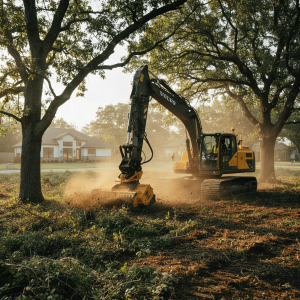
Brush & Tree Clearing: Property Value & Usability
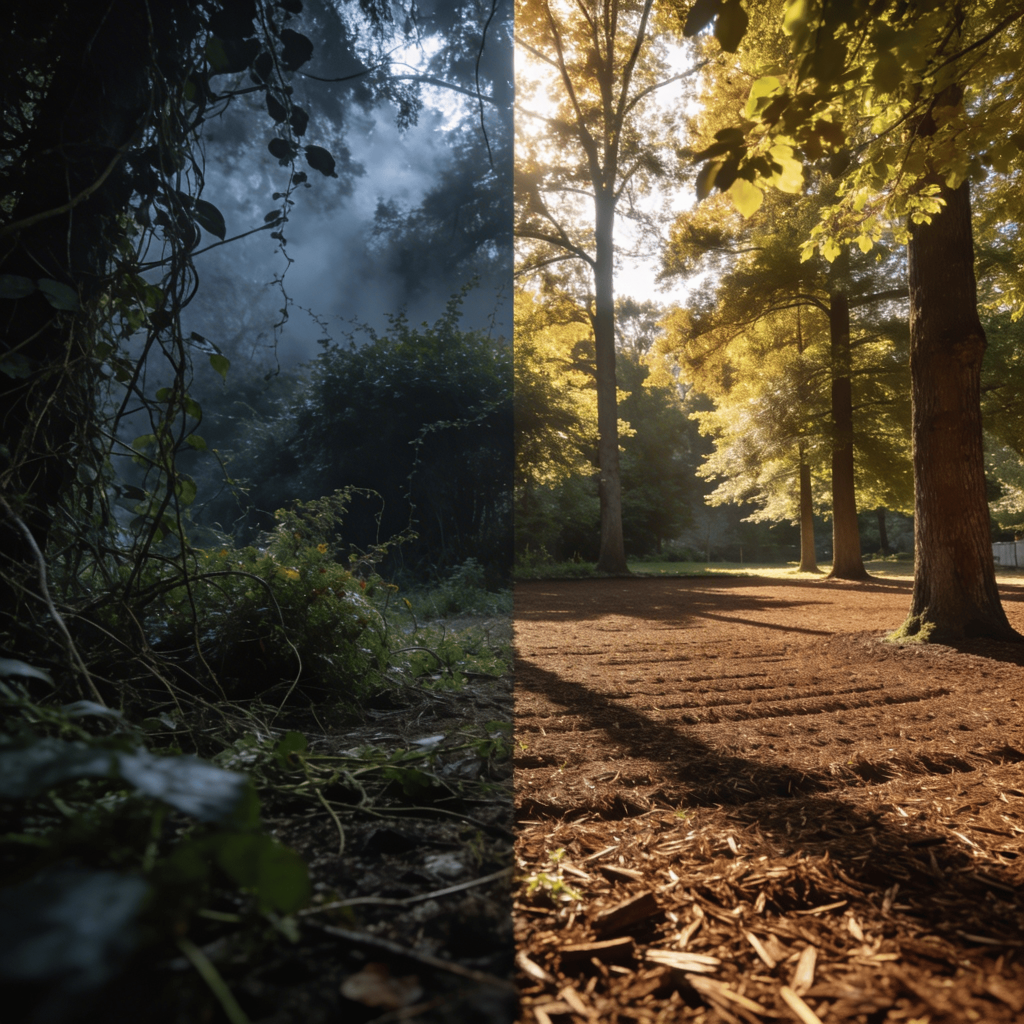
Book now Property value land clearing Property value is not only about location. It is also about how usable, safe, and ready the land is.
How to Save Money on Land Clearing Without Cutting Corners
Land clearing is often the first real step in any outdoor project.
Whether you are building a home, preparing farmland, or opening space for development, the land has to be cleared before anything else can happen.
Many property owners search for one thing right away: how to save money on land clearing.
That is a fair question. Land clearing can be expensive, and costs vary widely from one location to another. Labor rates, fuel prices, disposal rules, and equipment access all change depending on where your property is.
But saving money does not mean hiring the cheapest crew or skipping key steps. The real goal is to reduce waste, avoid surprise charges, and choose the right clearing method from the start.
This guide explains practical cost-saving strategies that protect both your budget and your land.
Land clearing is not just cutting trees.
It includes several cost drivers, such as:
One of the biggest hidden costs is debris.
After vegetation is cut, the question becomes:
Debris management often makes the difference between a reasonable quote and a costly final bill.
The fastest way to overspend is using the wrong approach.
Common land clearing methods include:
Forestry Mulching
Mechanical Clearing
Manual Clearing
Selective Clearing
The best method depends on your goals, your terrain, and how you want debris handled.
Hauling debris off-site is one of the most expensive parts of land clearing.
It adds:
If allowed, leaving mulch on-site can reduce costs significantly.
Forestry mulching is popular because it solves two problems at once:
Always ask:
“What happens to the material after it is cleared?”
That single question can prevent major surprise costs.
Many people clear the entire property at once, even when they only plan to build on part of it.
A smart way to save money is phased clearing.
For example:
By doing so, you are minimizing your initial expenditure and also cutting down on unnecessary labor. Plus, it is a way of ensuring that you do not disturb land that you might not even use.

Book now Property value land clearing Property value is not only about location. It is also about how usable, safe, and ready the land is.

Book now Technology in land clearing Land clearing methods have undergone significant changes over the past ten years. Once a strenuous, chaotic, and semi, annually
Book now Land development opportunities Land development starts with one simple question: what can this land become? Many properties look unusable at first. They can
Book now Land clearing regulations Land development always starts with clearing the land. Before homes, roads, businesses, or farms can be built, vegetation and debris

Book now Future of land clearing Land clearing has always been the first step in turning raw land into usable space. Whether the goal is

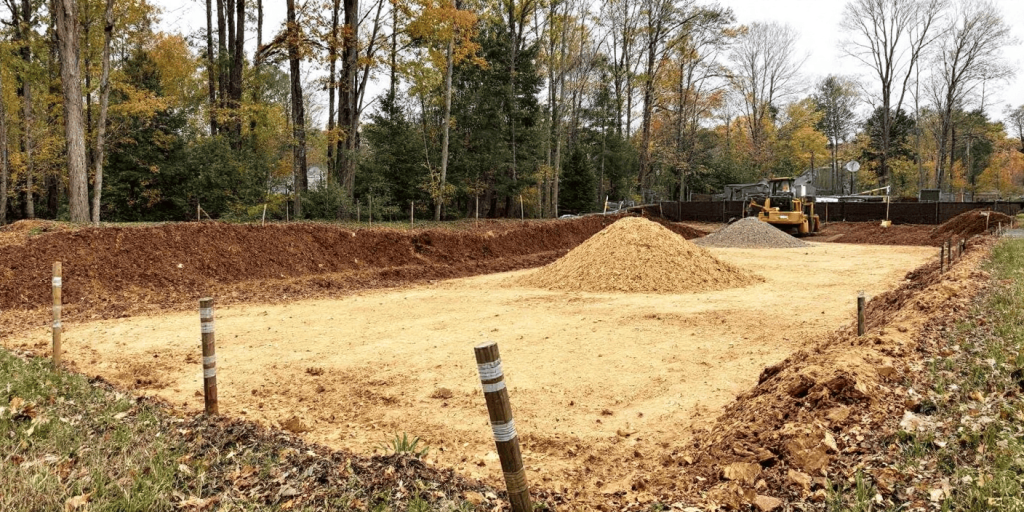
Book now Building site clearing Every home starts with an idea, but it becomes real only when the land is ready. Before a foundation can

Book now Site preparation challenges Site preparation is one of the most essential parts of any land clearing project. Before a home, shop, road, or

Book now Erosion control and land clearing Land clearing is often the first step in building, farming, or improving a property. Trees, brush, and undergrowth

Book now Property maintenance underbrush Underbrush may seem like a small issue at first. It is easy to ignore a patch of vines, thick shrubs,
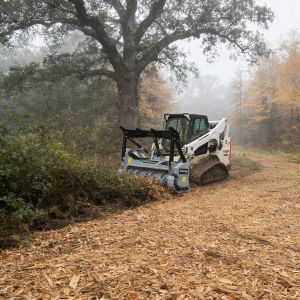
Book now Underbrush removal is one of the most important first steps in land clearing. Any piece of land if has to be used for
The importance of timing is often underestimated by most homeowners. In fact, it can make a big difference in the cost of land clearing. In several areas, land clearing is less expensive during slow seasons.
Late fall and winter usually provide these advantages:
Spring and summer might be more expensive because of:
Be sure to inquire if contractors have seasonal rates.
Contractors charge more when equipment access is difficult.
Extra costs come from:
You can save money by preparing access ahead of time:
Better access means faster work.
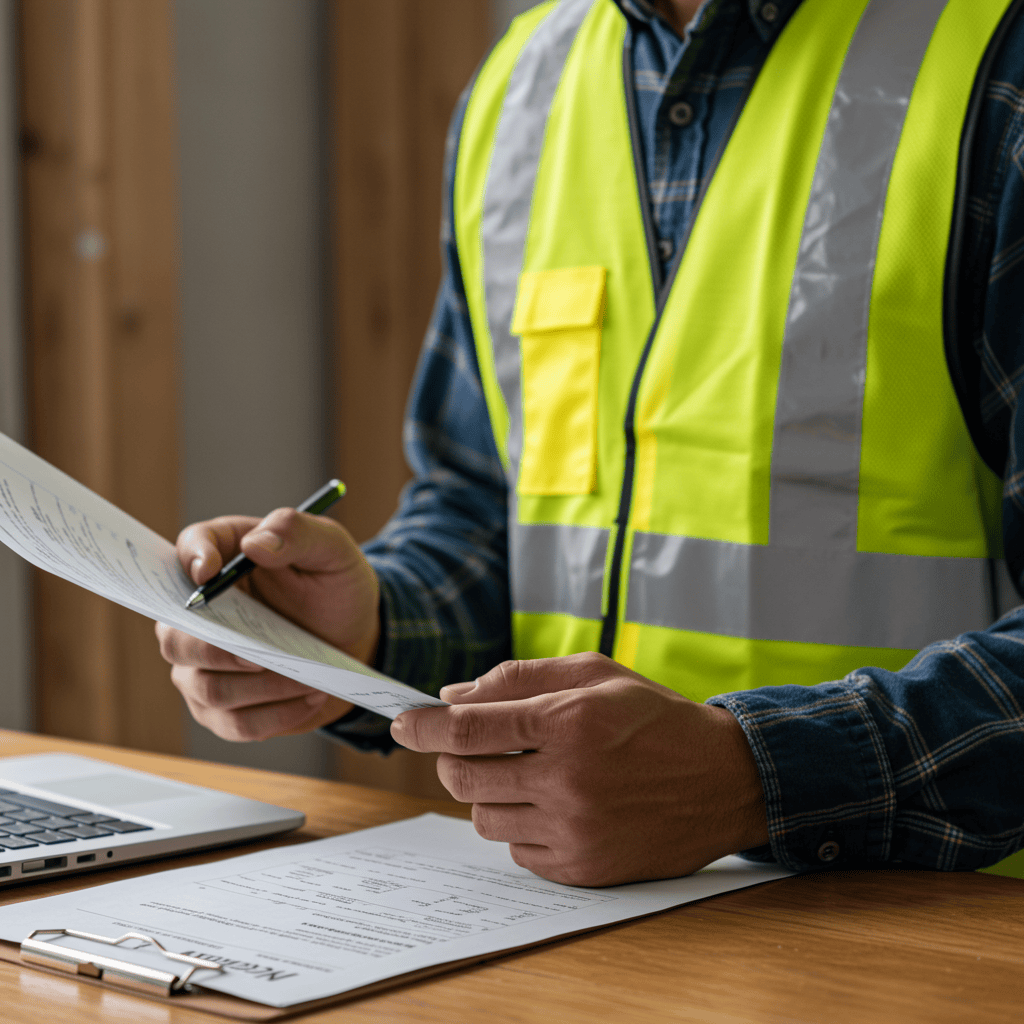
A vague quote often leads to extra charges later.
A professional estimate should clearly list:
The least expensive quote usually is the one that doesn’t have the essential items covered.
Getting a transparent quote not only helps but also secures your budget.
We would love to speak with you.
Feel free to reach out using the below details.
In order to keep the costs down for land clearing you should ask straightforward questions before you put your signature on the dotted line:
Surprise expenses are usually a result of unclear expectations.
Some contractors give package prices if you bundle works, for example:
Working together with services can save the cost of mobilization.
This leads to less equipment traveling and fewer man-hours.
DIY clearing definitely seems like a cheaper option initially.
However, most property owners encounter issues such as:
Land clearing is a very demanding physical and technical task.
Usually, professional teams can actually save money by doing things properly the first time.
It is very seldom that the cheapest contractor will also result in the cheapest outcome.
If the clearing is done by an inexperienced person, it can result in:
A competent contractor can save you a lot of money by helping you avoid costly mistakes.
Saving money means reducing total project cost, not just the first invoice.
Final Thoughts: Smart Planning Saves More Than Shortcuts
Land clearing is one of the most important steps in any project. It’s what determines the next course of action.
If you are looking to cut down on the expenses for land clearing, then your main focus should be on:
The most significant savings are the results of making the right decisions at the very beginning, rather than doing work in a hurry later on.
Looking for Help to Identify the Best Method of Land Clearing?
Every property is different.
Costs depend on vegetation, terrain, access, and debris disposal rules.
If you want help understanding your clearing options or finding a qualified contractor in your area, reach out with your project details.
A good plan now can save you thousands later.