Modern vs. Traditional Land Clearing Methods

A Practical Guide to Modern Land Clearing Techniques

Land clearing is one of the first and most important steps in any development project. In case you are getting a plot ready for a new residential building, making a farm field, or launching a commercial construction, the manner in which you clear the property determines the cost, safety, duration, and future condition of the land.

In the past, landowners mainly depended on conventional methods such as bulldozing, burning, and chopping by hand. Nowadays, new land clearing techniques provide quicker, less dirty, and, in many cases, more earth-friendly choices.


Here is the article that differentiates modern and traditional clearing, provides answers to the most frequently asked questions by homeowners, and gives a detailed description of the machinery and methods being applied nowadays.

What Are Modern Land Clearing Techniques?

Modern land clearing techniques focus on efficiency, safety, and minimizing unnecessary damage to soil and surrounding land.

Instead of simply removing everything in the fastest way possible, modern methods aim to:

  • Reduce cleanup needs
  • Limit erosion and soil disturbance
  • Avoid burning when possible
  • Lower hauling and disposal costs
  • Provide better control over what gets removed


Modern clearing is not just about speed. It is about smarter land preparation.

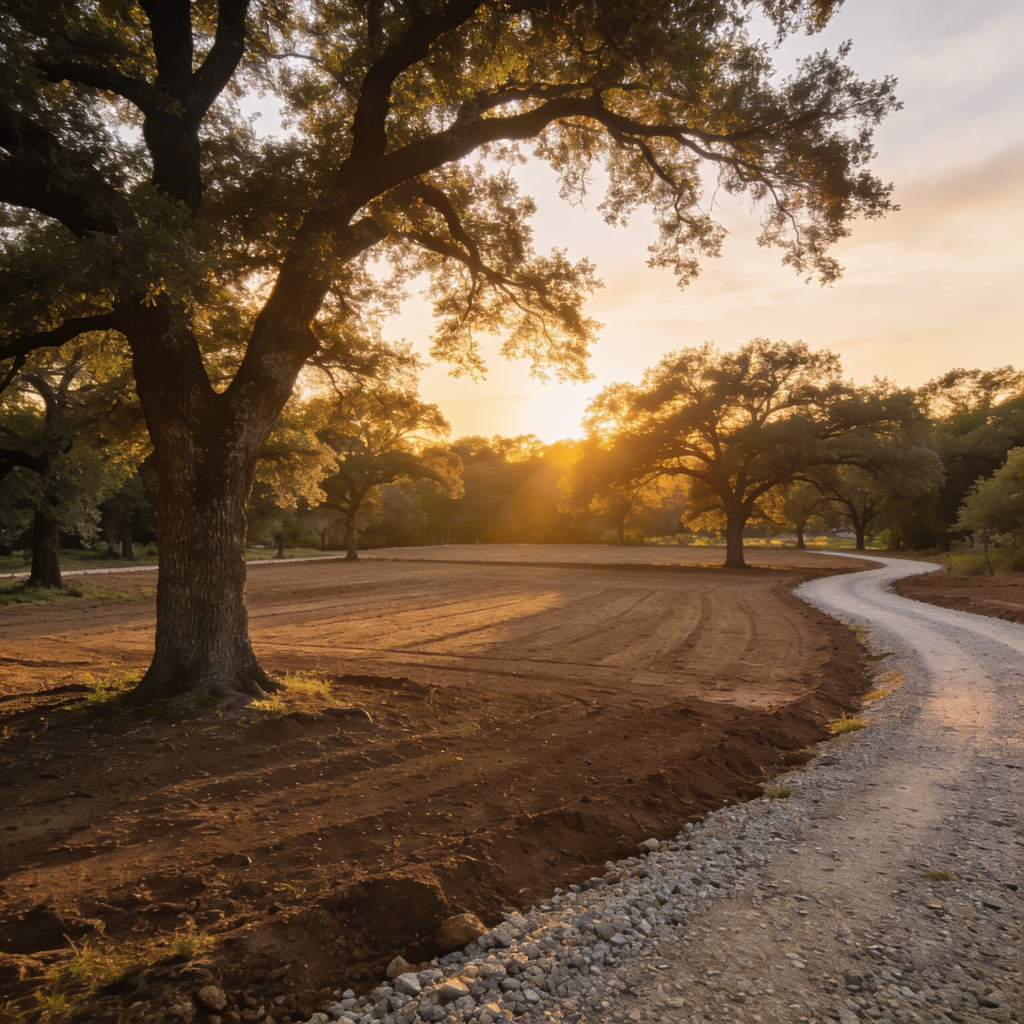
Modern vs. Traditional Land Clearing Methods (1)
What Are Modern Land Clearing Techniques_ (1)

Why Clearing Methods Matter More Than People Think

Two properties of the same size can have very different clearing costs. The method used plays a major role.

The biggest challenge is often not cutting vegetation but the biggest challenge is debris.

Contractors must decide:

  • Will debris be mulched on-site?
  • Will it be hauled away?
  • Can it legally be burned?


That choice affects equipment needs, labor hours, and total project cost.

Why Clearing Methods Matter More Than People Think (1)

What Are the Four Methods That Can Be Used to Clear Land?

Most clearing work falls into four main categories. Each has advantages depending on vegetation, terrain, and project goals.

  1. Forestry Mulching (Modern Method) 

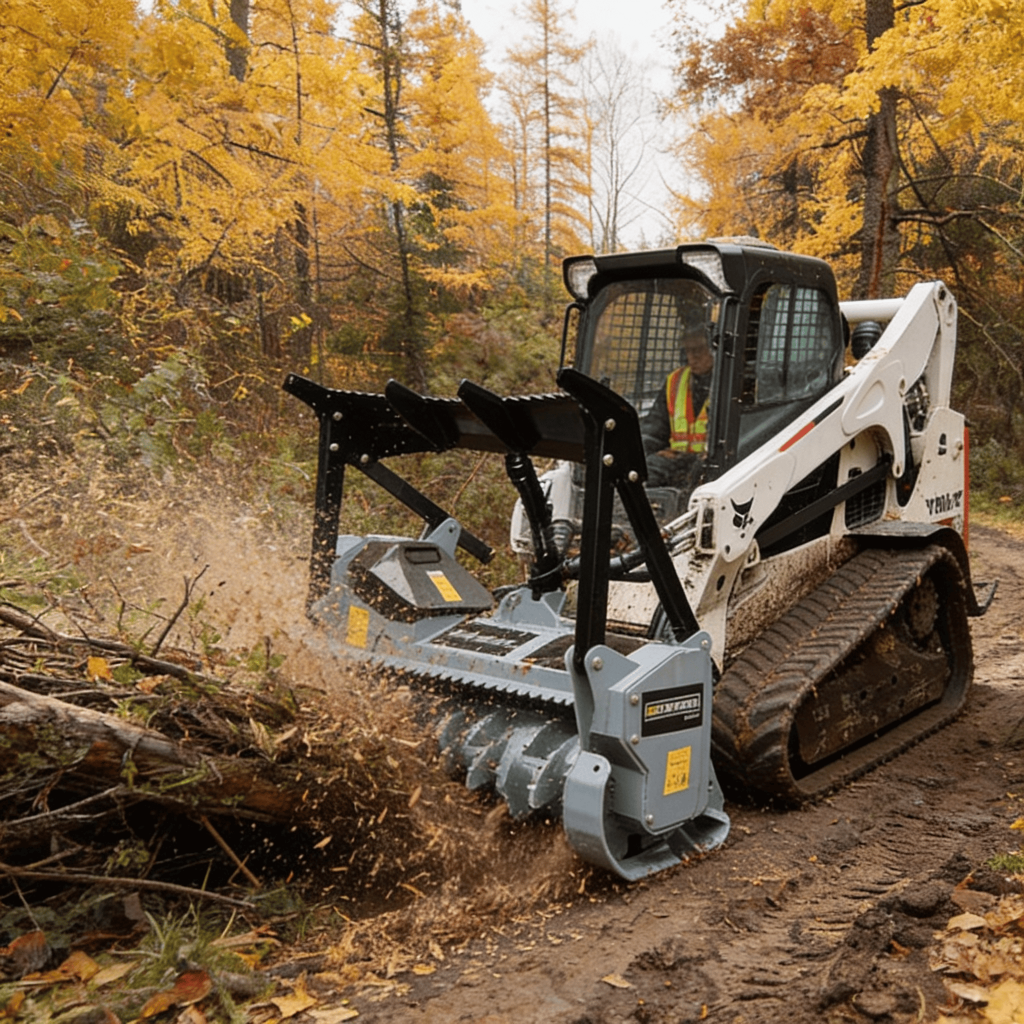
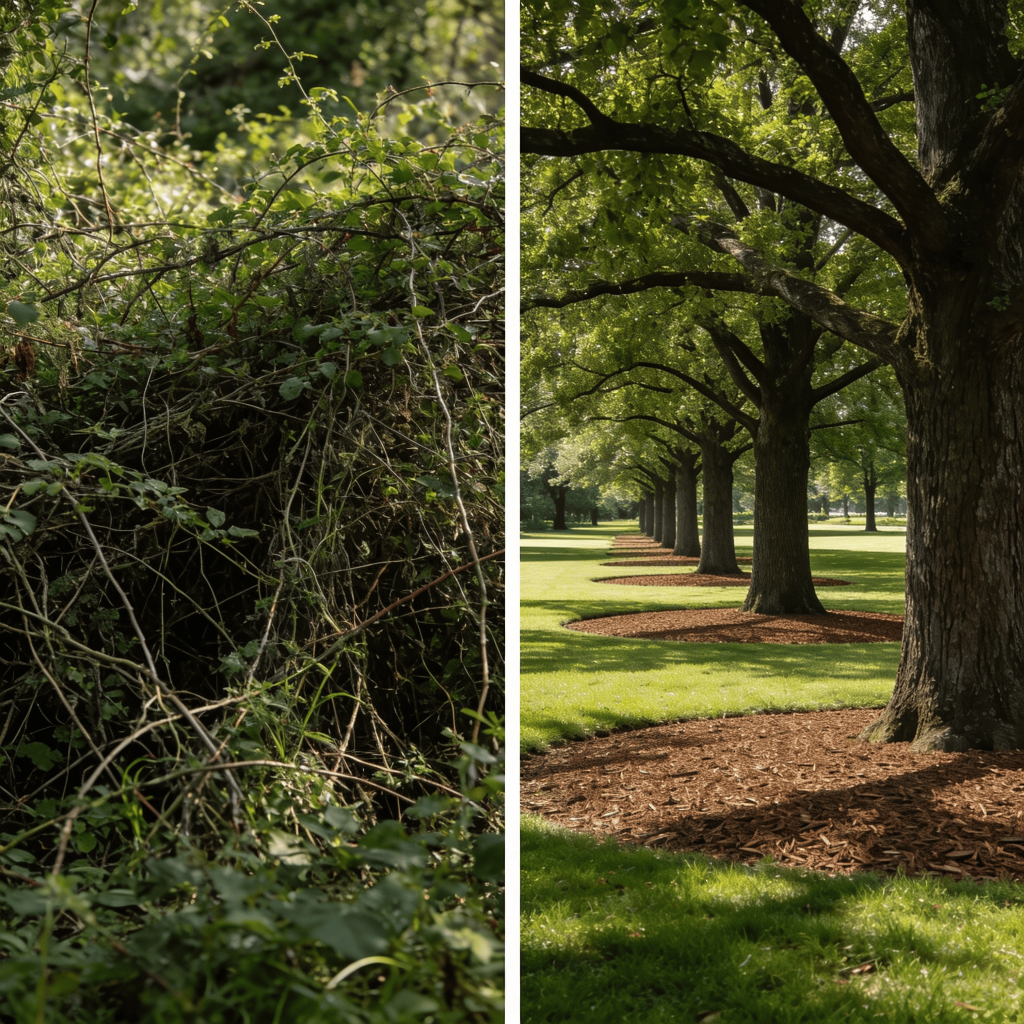
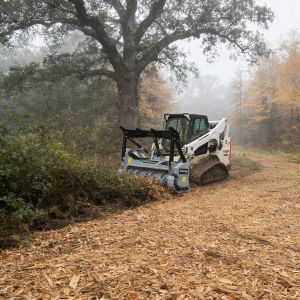
Forestry mulching is a technique where, with the help of special machines, trees, bushes, and undergrowth are turned into mulch. The mulch is distributed in the area as a natural cover. 

Great for: 

  • Houses and their surroundings
  • Clearing the boundaries of a property
  • Making firebreaks
  • Projects with a focus on the environment 

Main advantage: 

  • Very little hauling and cleaning up 

One reason that forestry mulching is one of the hottest trends in land clearing techniques today is that it clears and manages debris at the same time. 


  1. Mechanical Clearing (Traditional Heavy Equipment) 

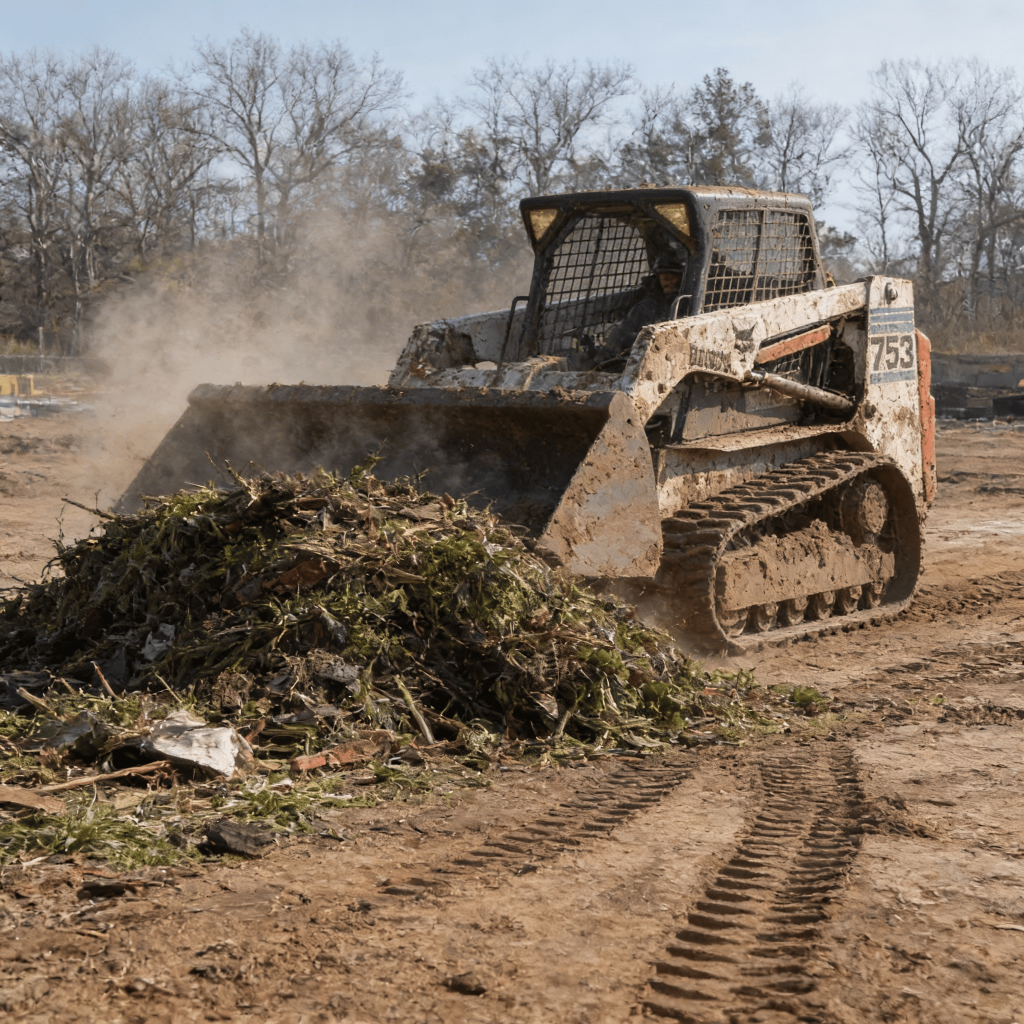
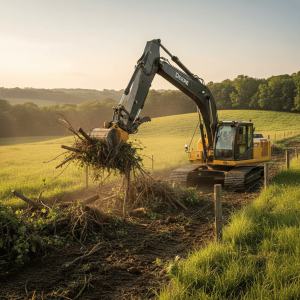
Mechanical clearing utilizes bulldozers, excavators, and loaders to push over vegetation and take it away from the site. 

Great for: 

  • Large commercial sites 
  • Full removal projects 
  • Heavy forested acreage 

Cons: 

  • Makes huge debris piles that have to be removed or burned 

Mechanical clearing works but is often followed by higher cleaning-up expenses.


  1. Manual Clearing (Traditional Hand Work)

Manual clearing uses chainsaws, machetes, and hand crews.

Best for:

  • Small areas
  • Tight access zones
  • Sensitive locations near structures

Downside:

  • Labor-intensive and slower

Manual clearing is still useful, but it is rarely the best solution for large acreage.


  1. Controlled Burning (Traditional but Regulated)

Burning removes vegetation by fire under controlled conditions.

Best for:

  • Rural land
  • Agricultural areas
  • Large open tracts

Downside:

  • Requires permits and strict safety controls
  • Not allowed in many areas
  • Smoke and air quality concerns

Burning is far less common today due to regulations and fire risk.

What Are Two Methods Used for Clearing Forests?

Forest clearing is often more complex than clearing light brush. 

Two common approaches include:

Forestry Mulching

This is ideal for selective forest clearing, smaller trees, and reducing erosion.

It eliminates the need for hauling and also naturally leaves protective mulch behind.


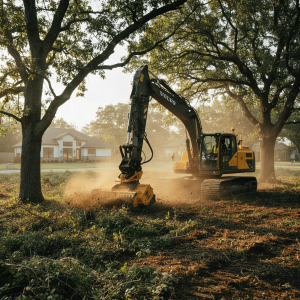
Excavator and Dozer Clearing

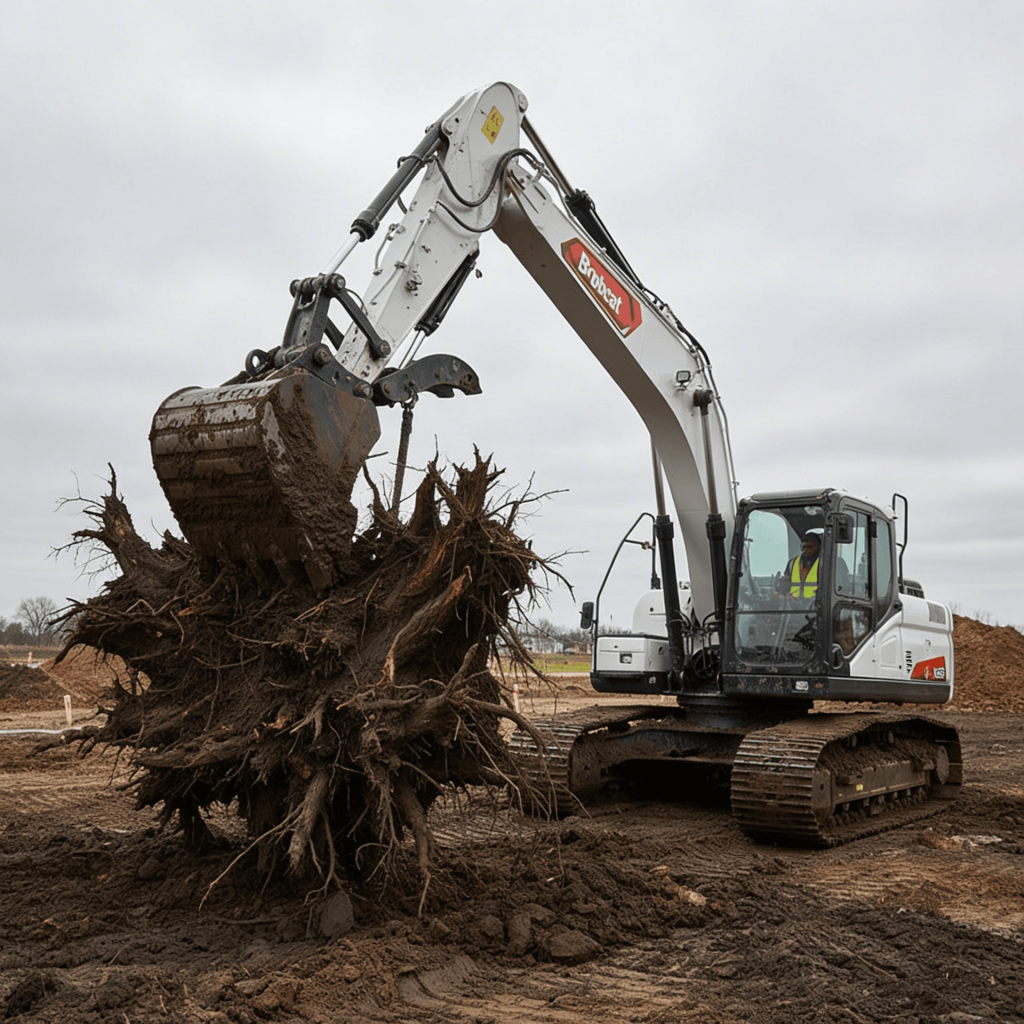
Here, the main idea is to use heavy equipment for cutting down of trees, taking out stumps and also grading the land.

It is common for commercial development where the land must be fully stripped.

Both methods are used depending on project purpose and permit limits.
What Are Two Methods Used for Clearing Forests_ (1)
Different Types of Clearing Machines

Share:

More Posts

Send Us A Message

Different Types of Clearing Machines

Modern land clearing depends heavily on equipment. Contractors choose machines based on vegetation density, access, and debris plans.

Here are the most common machines used today:

Forestry mulchers

The main function of these machines is to grind the vegetation on the spot turning it into the mulch.

Can be used for:

  • Brush clearing
  • Underbrush removal
  • Eco-friendly site prep


Excavators

Excavators are perfect for removing large trees, stumps, and roots.

These machines are used to push vegetation and soil to create piles.

Some of the ways that they can be used include:

  • Large scale clearing 
  • Fast removal on open sites 

Bulldozers

Bulldozers push vegetation and soil into piles.

Used for:

  • Large-scale clearing
  • Fast removal on open sites

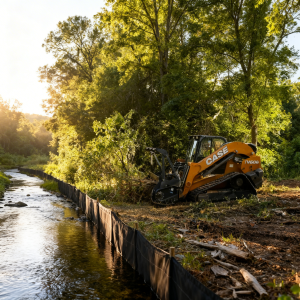
Skid Steers and Track Loaders

Smaller machines for tighter spaces.

Used for:

  • Residential lot
  • Fence line clearin
  • Finishing work

Brush Hogs and Rotary Mowers

Used for light to medium vegetation.

Best for:

  • Fields
  • Pasture clearing
    Maintenance work

The right machine reduces labor time and improves results.

Modern vs Traditional Land Clearing: Key Differences

Traditional Clearing Focus

  • Fast removal
  • Full stripping of vegetation
  • Burning or hauling is required
  • Higher soil disturbance

Modern Clearing Focus

  • Controlled clearing
  • Reduced cleanup steps
  • Less erosion risk
  • More efficient debris handling

Modern land clearing techniques are often chosen because they reduce long-term land damage while keeping projects moving.

Is There a Better Way of Clearing Land?

In many cases, yes.

Modern methods such as forestry mulching, are typically more effective than traditional ones because they:

  • Avoid burning
  • Reduce hauling costs
  • Protect topsoil
  • Limit erosion
  • Complete faster with fewer steps

However, a single method cannot be a perfect fit for every property.

Commercial sites with a large area may even be required by law to excavate and mechanically break the ground.

Different factors that the most efficient land clearing method should be based on include:

  • Density of vegetation
  • Nature of the soil
  • Rules of local permits
  • Project aim
  • Needs for disposal of waste

An expert assessment should always be the most intelligent starting point.

land clearing costs usa check today

Cost Factors Contractors Must Account For

Land clearing costs vary widely by region and site conditions.

Key pricing factors include:

  • Equipment rental or ownership costs
  • Transporting machines to the site
  • Labor rates in the area
  • Diesel and fuel expenses
  • Debris hauling or disposal fees
  • Permit requirements
  • Unexpected obstacles like rocks or wetlands

Debris handling is often the biggest cost variable.

Mulching on-site is usually cheaper than hauling everything away.

Contact us today!

We would love to speak with you.
Feel free to reach out using the below details.

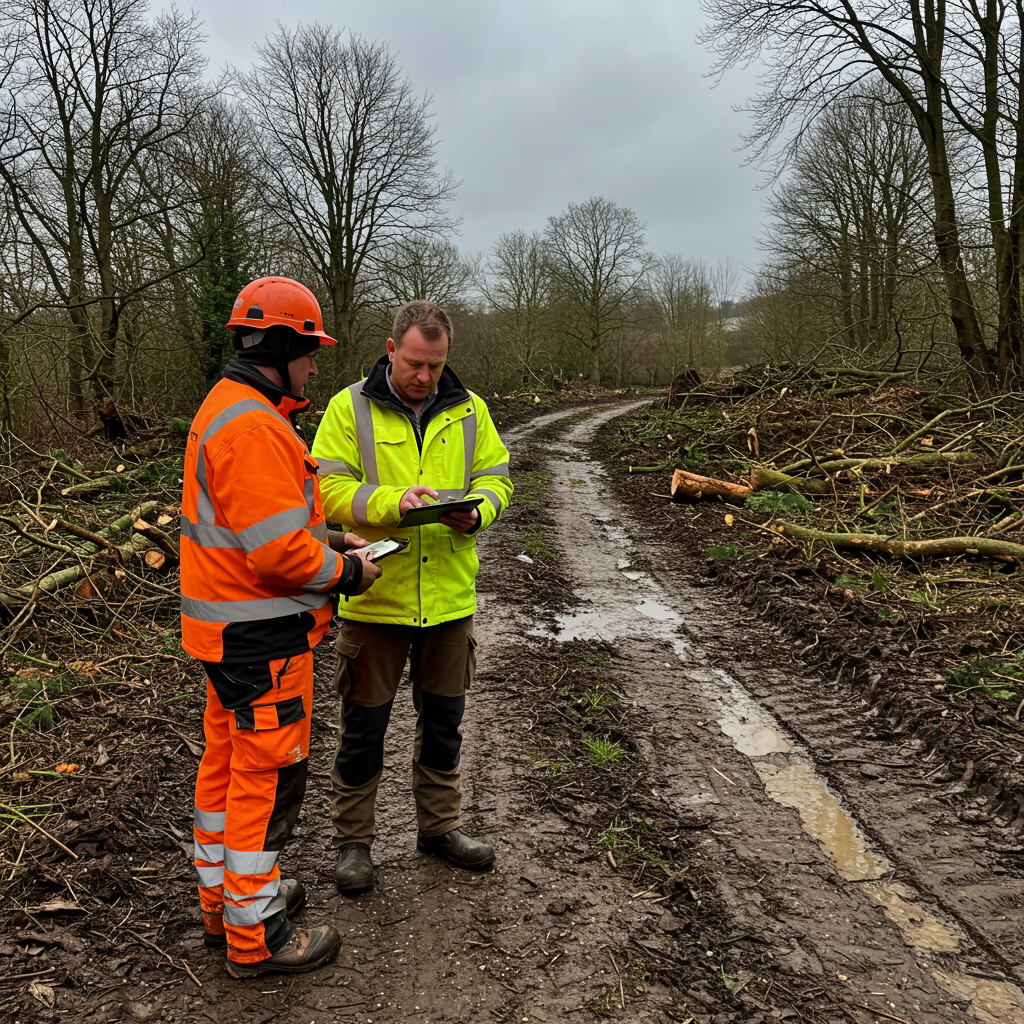
Choosing the Right Method for Your Property

Before selecting a clearing approach, ask:

  • Do I need full removal or selective clearing?
  • What will happen to the debris?
  • Is burning allowed here?
  • Will the soil need protection from erosion?
  • Is the land being cleared for building or just access?


A good contractor will explain the method clearly, not just give a price.

Final Thoughts

Land clearing has changed a lot in the past decade. Traditional methods such as bulldozing and burning are still viable resources; however, contemporary land clearing techniques provide a wider range of options catering to different projects more intelligently and efficiently.

Which way is right really depends on the condition of the land, the planned use, and how the waste will be disposed of. Modern clearing is more than just chopping down trees.

It means getting land ready in a safe, efficient, and responsible way for whatever the next step is.

Proper land clearing is the best base and the strongest foundation for any successful development, which will be next.

Join Our Newsletter

INFORMATION

© 2026 LandClearingCosts.com - All rights reserved