Clearing for Construction: Development Basics

A Homeowner’s Guide to Construction Site Clearing

Every successful build starts before concrete is poured.

The real beginning of any home, shop, or commercial project is the land itself. Construction site clearing is the first major step in turning raw property into a safe and workable building site.

Many owners think clearing means simply cutting trees. In reality, professional land clearing involves planning, debris handling, access preparation, and making sure the ground is ready for what comes next.


This guide explains what construction site clearing includes, why it matters, and what factors affect the work and cost.

What Is Construction Site Clearing?

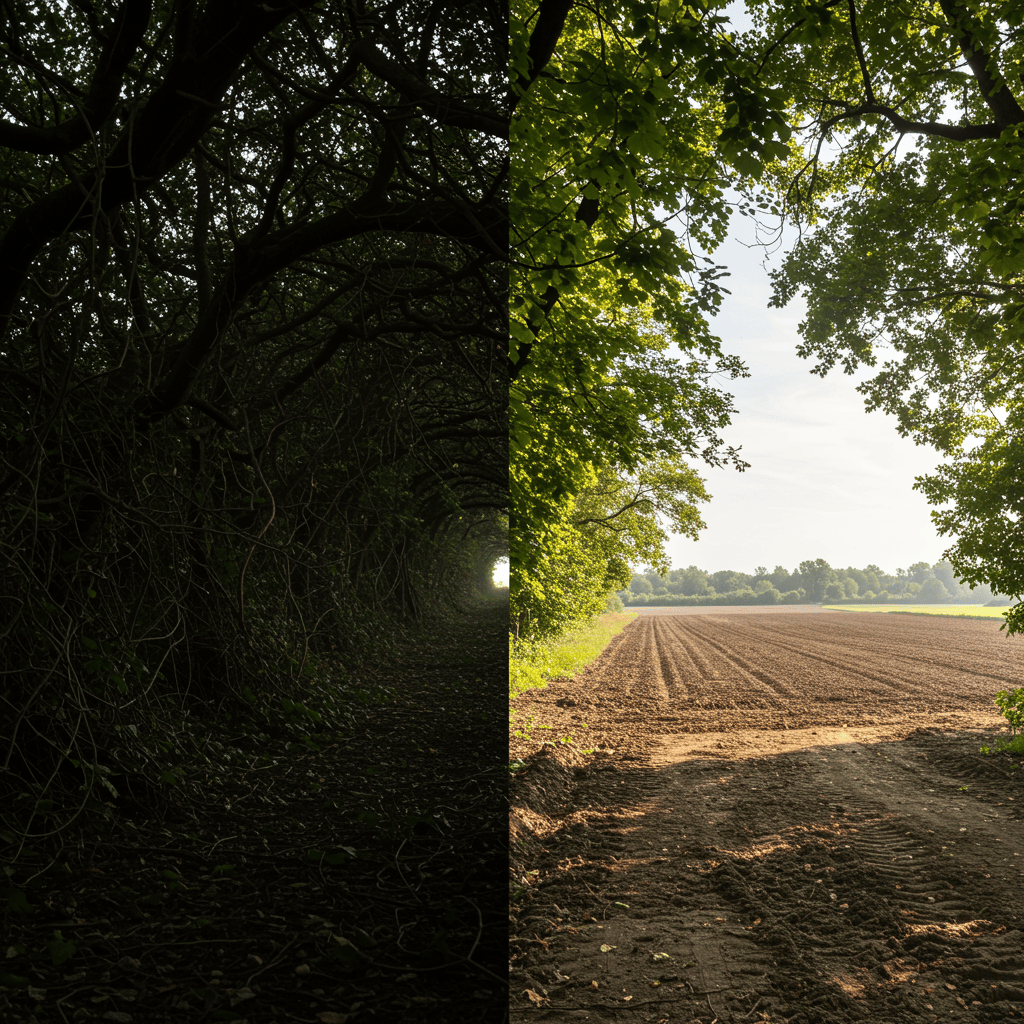
Construction site clearing is the process of removing vegetation and obstacles from land so that building can begin safely.

A cleared site allows crews and equipment to work without hazards or delays.

Construction site clearing may include:

  • Removing trees and brush
  • Clearing undergrowth and small vegetation
  • Managing stumps and root systems
  • Removing debris and organic waste
  • Creating access for heavy equipment
  • Preparing the site for grading and drainage work


Clearing is the first physical step in development. Everything after depends on how well it is done.

Clearing for Construction_ Development Basics (1)
What Is Construction Site Clearing_ (1)

Why Construction Site Clearing Matters

Raw land is rarely ready for construction.

If clearing is rushed or incomplete, problems can show up later, including:

  • Foundation settling
  • Drainage failures
  • Unsafe working conditions
  • Delays during excavation
  • Unexpected cleanup costs

Professional clearing helps prevent these issues by preparing the site properly from the start.

Raw land is rarely ready for construction.


If clearing is rushed or incomplete, problems can show up later, including:

  • Foundation settling
  • Drainage failures
  • Unsafe working conditions
  • Delays during excavation
  • Unexpected cleanup costs


Professional clearing helps prevent these issues by preparing the site properly from the start.

Why Construction Site Clearing Matters (1)
The First Step_ Site Evaluation (1)

The First Step: Site Evaluation

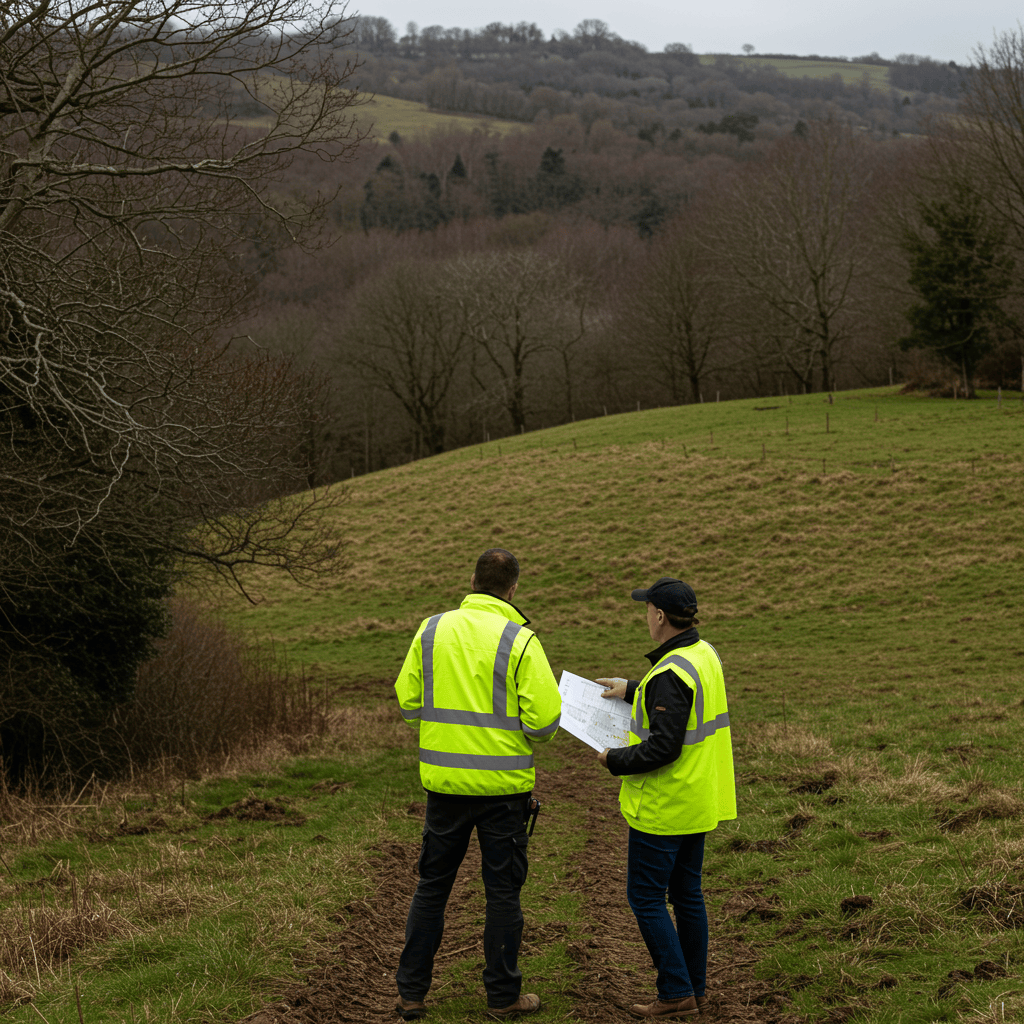
Before equipment arrives, a contractor evaluates the property.

This early planning stage looks at:

  • Vegetation density and tree size
  • Soil conditions and slope
  • Drainage patterns
  • Access points for machines
  • Local permit requirements
  • Debris disposal options


A good evaluation prevents guesswork. It also helps the contractor choose the right clearing method.

Debris Handling Is the Biggest Question

One of the largest challenges in construction site clearing is not cutting trees.

It is dealing with what gets removed.

Every clearing job creates debris such as:

  • Brush piles
  • Logs and limbs
  • Root mats
  • Stumps
  • Organic waste

The disposal plan costs more than most homeowners expect.

Common options include:

Mulching On-Site

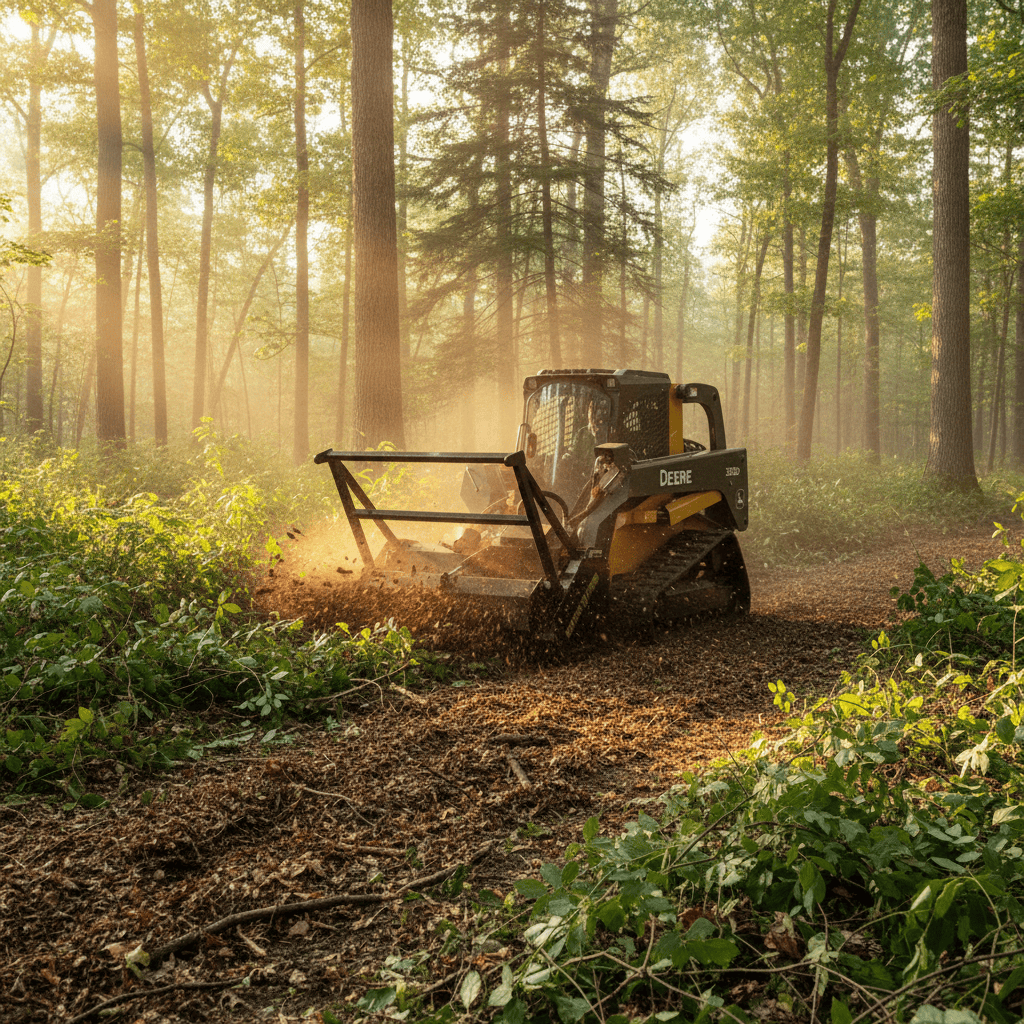
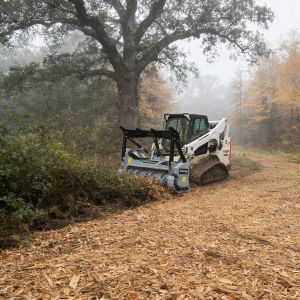
Forestry mulching grinds vegetation into mulch and leaves it on the ground.

This reduces hauling needs and avoids burning.


Burning

Burning is often cheaper than hauling, but it depends on local rules and fire safety limits.


Hauling Away

Hauling debris off-site is clean but usually the most expensive option.

It involves a truck, a dumping fee, and a plumber’s time.


A contractor professional should offer the client a clear explanation of how the debris will be disposed of prior to the start of the work.

Debris Handling Is the Biggest Question (1)
Common Methods Used in Construction Site Clearing (1)

Share:

More Posts

Send Us A Message

Common Methods Used in Construction Site Clearing

Choosing the right method depends on the type of vegetation, the terrain, and the project goals.

Forestry Mulching

It is a good choice for brush, small trees, and low-disturbance clearing.

Since it leaves mulch behind, it is one less thing to be cleaned up.

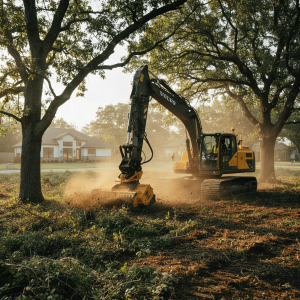
Excavator Clearing

It is mostly used for cutting down large trees, removing stumps, and clearing a site entirely.

In some cases, such as building foundations, it is almost certainly necessary.

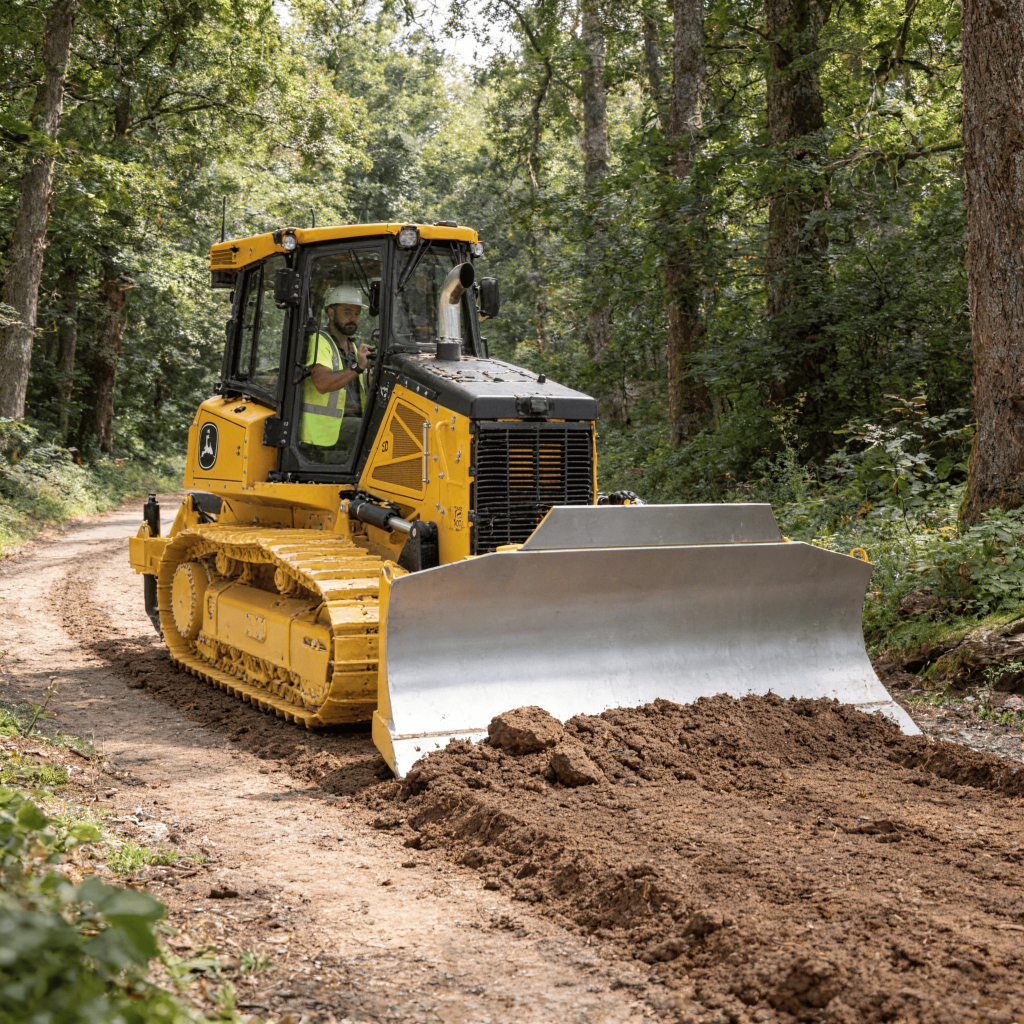
Bulldozing

It is typical for large commercial sites where speed is a major factor.

Usually, it results in large piles of debris and requires grading after.

Selective Clearing

It removes unwanted vegetation but retains certain trees.

It is common on residential lots to provide privacy or maintain a natural look.

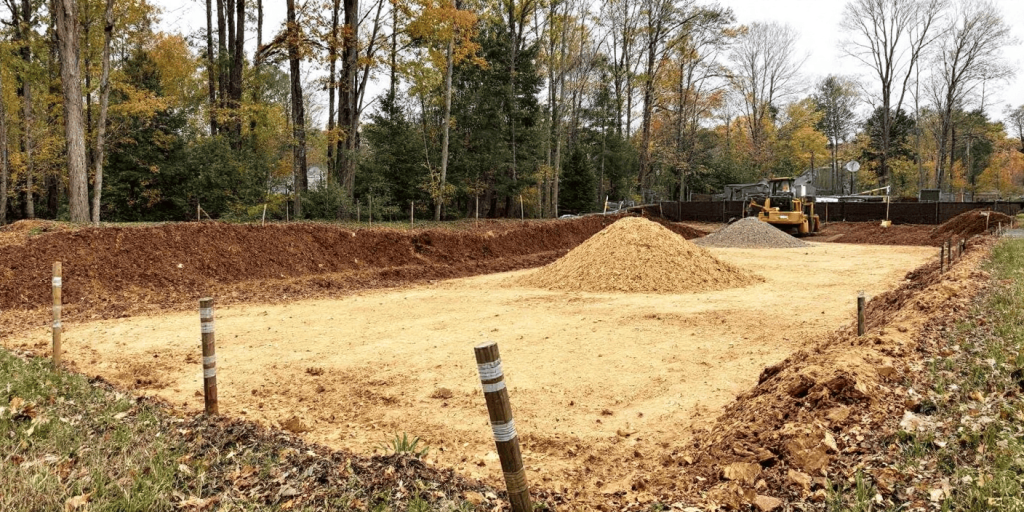
What Comes After Clearing?

Clearing is only the beginning of site development.

After construction site clearing, most projects move into:

  • Stump and root removal
  • Grading and leveling
  • Soil compaction
  • Drainage preparation
  • Utility trenching
  • Final inspection before foundation work

Clearing creates space. Site prep makes that space build-ready.

What Affects the Cost of Construction Site Clearing?

Construction site clearing prices vary widely by location and conditions.

Major cost factors comprise:

  • The size of the lot
  • The density of vegetation
  • Tree diameter and root depth
  • The terrain slope or rocky soil
  • The equipment needs or rentals
  • The machinery transport to the site
  • The labor rates in your area
  • The fuel and diesel costs
  • The debris disposal method
  • Unexpected underground obstacles


Two similar pieces of land can be wildly different in price depending on these factors.

In fact, that is the main reason why on-site quotes are always advised.

land clearing costs usa check today

Residential vs Commercial Site Clearing

Residential clearing generally concentrates on:

  • small lotslimited access near houses
  • precise boundary line work
  • neat finish for future yards

Commercial clearing, on the other hand, is very likely to include:

  • extensive land areas
  • heavy equipment coordination
  • tight schedules more

Mistakes to Avoid

Homeowners often run into trouble when clearing is treated too casually.

Common mistakes include:

  • Not planning for debris disposal
  • Leaving stumps or roots behind
  • Ignoring drainage needs
  • Hiring unlicensed or uninsured crews
  • Choosing the cheapest quote without full scope details


Clearing done wrong leads to higher costs later.

Contact us today!

We would love to speak with you.
Feel free to reach out using the below details.

Final Thoughts

Construction site clearing is the true first step of development.

It is not just removing trees, but it is also preparing land for safe, stable construction.

A successful clearing job includes:

  • Proper evaluation
  • Correct equipment selection
  • Responsible debris handling
  • Safe access for crews
  • Preparation for grading and building


When construction site clearing is done professionally, every stage after becomes smoother, faster, and more predictable.

Good development starts at ground level.

Join Our Newsletter

INFORMATION

© 2026 LandClearingCosts.com - All rights reserved