Brush & Tree Clearing: Property Value & Usability
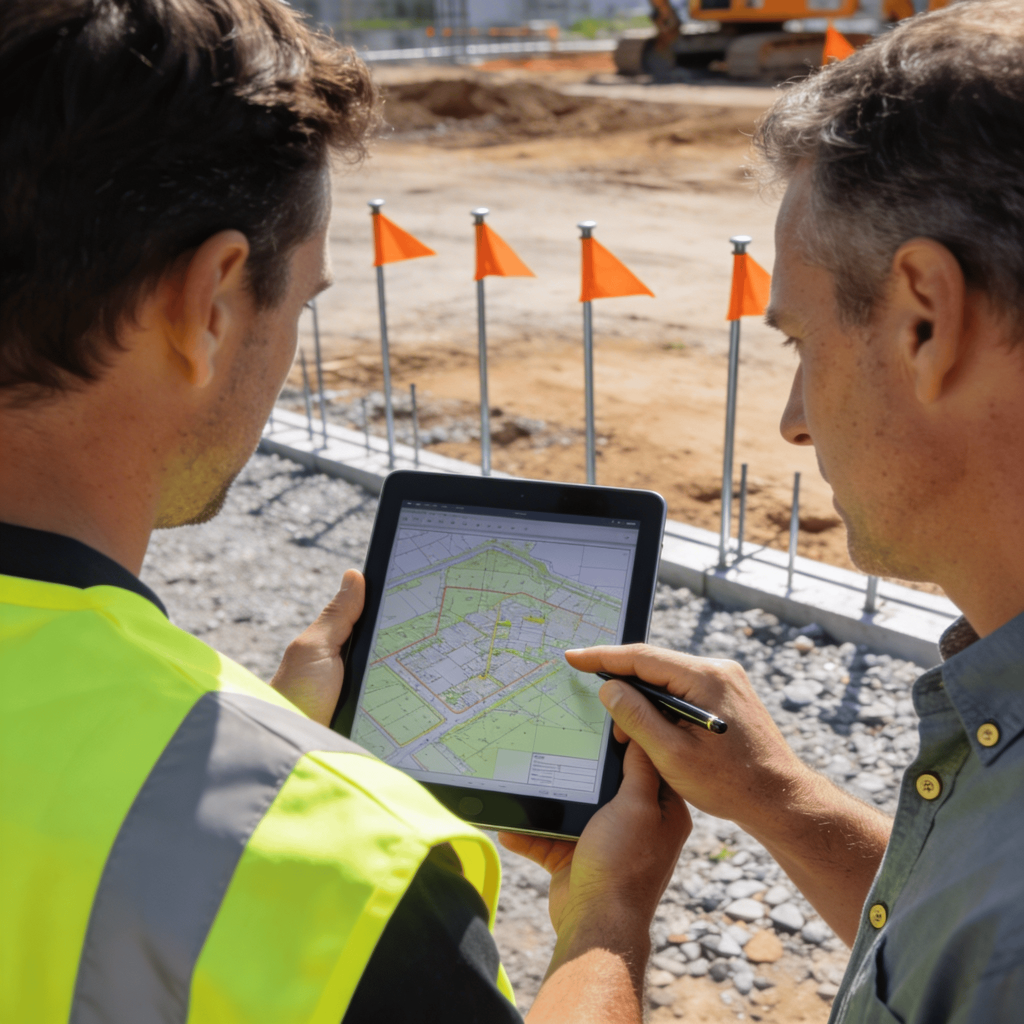
Book now Property value land clearing Property value is not only about location. It is also about how usable, safe, and ready the land is.
Understanding the Difference and Choosing the Right Approach
Property owners often hear two similar terms when planning a project:
Land clearing and forest clearing.
They sound like the same thing, but they are not always treated the same way. The goals, methods, and even the regulations can differ depending on what type of land is being cleared.
If you are preparing for a home build, opening space for farming, or improving access on wooded land, understanding land clearing vs forest clearing helps you plan better and avoid costly surprises.
This guide explains the difference, the meaning of each term, and the best ways to clear land responsibly.
Land clearing is a general term for a range of activities that aim to remove trees, bushes, or other unwanted materials from a piece of land.
People usually get their land cleared in order to:
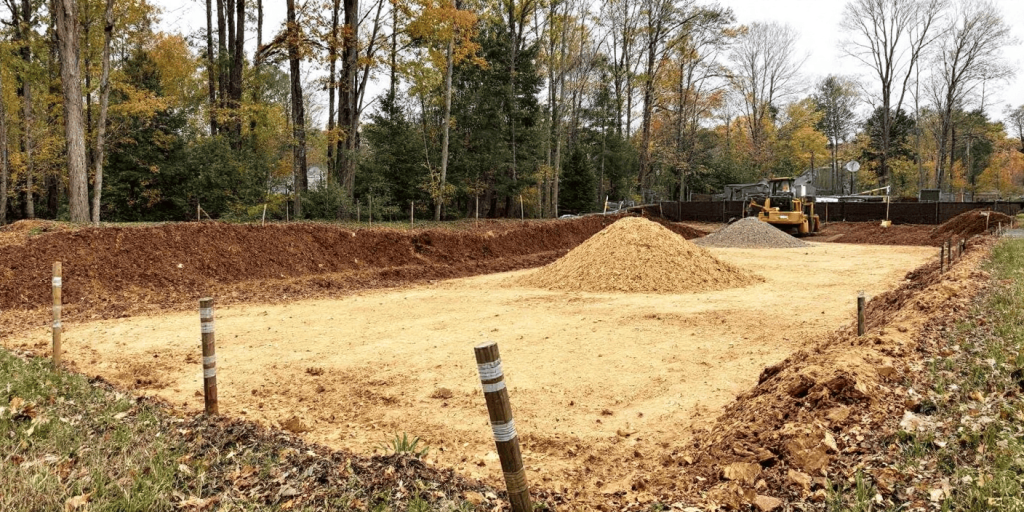
Besides just the removal of elements, professional land clearing also involves the preparation of soil and creation of access making the land ready for building, landscaping, or other developments.
Land clearing is not just cutting trees. It also includes planning for:
It is the foundation of most property improvement projects.
Forest clearing refers more specifically to removing trees and vegetation from a wooded or forested area.
Forest clearing is often associated with:
In many areas, forest clearing may involve stricter environmental rules because it affects wildlife habitat, erosion risk, and protected land zones.
Forest clearing is usually heavier work because the vegetation is denser and tree size is often larger.
The main difference is the type of land and the project purpose.
Land Clearing
Usually refers to preparing a site for use.
Common projects include:
Land clearing may involve selective removal, grading, and cleanup.
Forest Clearing
Usually refers to removing trees in heavily wooded areas.
Here are some of the projects commonly done:
Forest clearing usually calls for the use of bigger machines and more trash planning.
Forest clearing and land clearing both mean removal of vegetation, but forest clearing is usually a lot more complicated because of the tree density and the environmental impact.
Forest clearing may also be called:
In land development, the term forest clearing usually means removing trees to open land for a specific purpose.

Book now Property value land clearing Property value is not only about location. It is also about how usable, safe, and ready the land is.

Book now Technology in land clearing Land clearing methods have undergone significant changes over the past ten years. Once a strenuous, chaotic, and semi, annually
Book now Land development opportunities Land development starts with one simple question: what can this land become? Many properties look unusable at first. They can
Book now Land clearing regulations Land development always starts with clearing the land. Before homes, roads, businesses, or farms can be built, vegetation and debris

Book now Future of land clearing Land clearing has always been the first step in turning raw land into usable space. Whether the goal is

Book now Building site clearing Every home starts with an idea, but it becomes real only when the land is ready. Before a foundation can

Book now Site preparation challenges Site preparation is one of the most essential parts of any land clearing project. Before a home, shop, road, or

Book now Erosion control and land clearing Land clearing is often the first step in building, farming, or improving a property. Trees, brush, and undergrowth

Book now Property maintenance underbrush Underbrush may seem like a small issue at first. It is easy to ignore a patch of vines, thick shrubs,
Book now Underbrush removal is one of the most important first steps in land clearing. Any piece of land if has to be used for
Whether you are clearing a residential lot or a dense forest, the biggest question is always:
What happens to the material after it is cut?
Clearing creates debris such as:
Disposal decisions affect cost more than almost anything else.
Common debris handling options include:
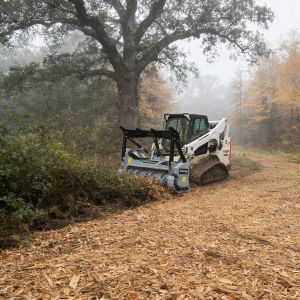
Mulching On-Site
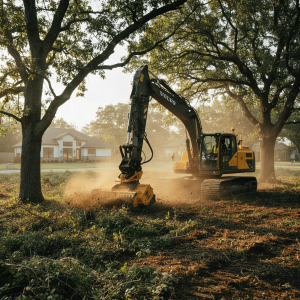
Forestry mulching grinds vegetation into mulch and leaves it on the ground.
This reduces hauling needs and avoids burning.
Mulching is highly effective for breaking down:
Burning
Burning is frequently less expensive than hauling; however, it is not always a permitted activity.
Burn restrictions are based on:
Hauling Away
It requires:
A professional contractor should explain debris handling clearly before work begins.
The best method depends on your land, your goals, and local rules.
There is no single best way for every property.
Here are the most common clearing methods:
Forestry Mulching
Forestry mulching is one of the most efficient options for many projects.
It clears vegetation by grinding it into mulch on-site.
Best for:
Mulching is generally seen as the most environmentally friendly option, and it benefits the soil as well.
On the other hand, it is not capable of bringing large stumps or deep roots to the surface.
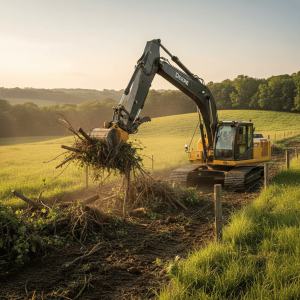
Excavator clearing
An excavator is the machine most suited for completely removing a tree or a large-sized tree.
They are typically utilized for land clearing in the following cases:
Excavators are able to do a variety of things with the trees such as pushing, pulling, piling, and even loading.
Thus, if this method is applied, there will be a need to either burn the material or haul the debris away.
Bulldozing
Bulldozers are the machines of choice for large-scale
Best for:
Grading work is usually needed afterward.
Selective Clearing
Selective clearing removes unwanted vegetation while keeping healthy trees.
Best for:
This method helps maintain a natural look while improving usability.
Pricing is never the same from one location to another.
Land clearing costs vary based on real site factors, including:
Forest clearing often costs more because:
Always get an on-site quote for accurate planning.
We would love to speak with you.
Feel free to reach out using the below details.
When clearing is done incorrectly, the issues often show up after the job is “finished.”
You may need land clearing if:
You may need forest clearing if:
The right contractor will help match the method to your goal.
Final Thoughts
Understanding land clearing vs forest clearing helps landowners make smarter decisions.
Land clearing is often about preparing property for use.
Forest clearing is usually about removing dense wooded areas.
Both require careful planning, the right equipment, and a clear debris strategy.
Before starting any project, make sure to ask:
Professional clearing is certainly much more than simple removal. It is a thorough preparation of the site for future use.
Therefore, if your intention is to get your land ready for building, agriculture, or even just keeping it for many years, then choosing a suitable clearing method is essentially the very first step.